UK MP Sues xAI After Grok Allegedly Generated Sexualised Fake Images of Her, Fuelling Global Push for Tougher AI Regulation
Labour lawmaker Jess Asato launches legal action against Elon Musk’s xAI after Grok allegedly generated sexualised fake images of her.
 Staff WriterJun 5, 2026, 11:31 AM
Millions of women and girls around the world have had their images manipulated and sexualised by artificial intelligence without their consent — with little recourse against those creating or sharing the content. As one British lawmaker recently discovered, no one is immune from becoming a victim of this growing form of online abuse.
Now, she is fighting back — and urging others to do the same.
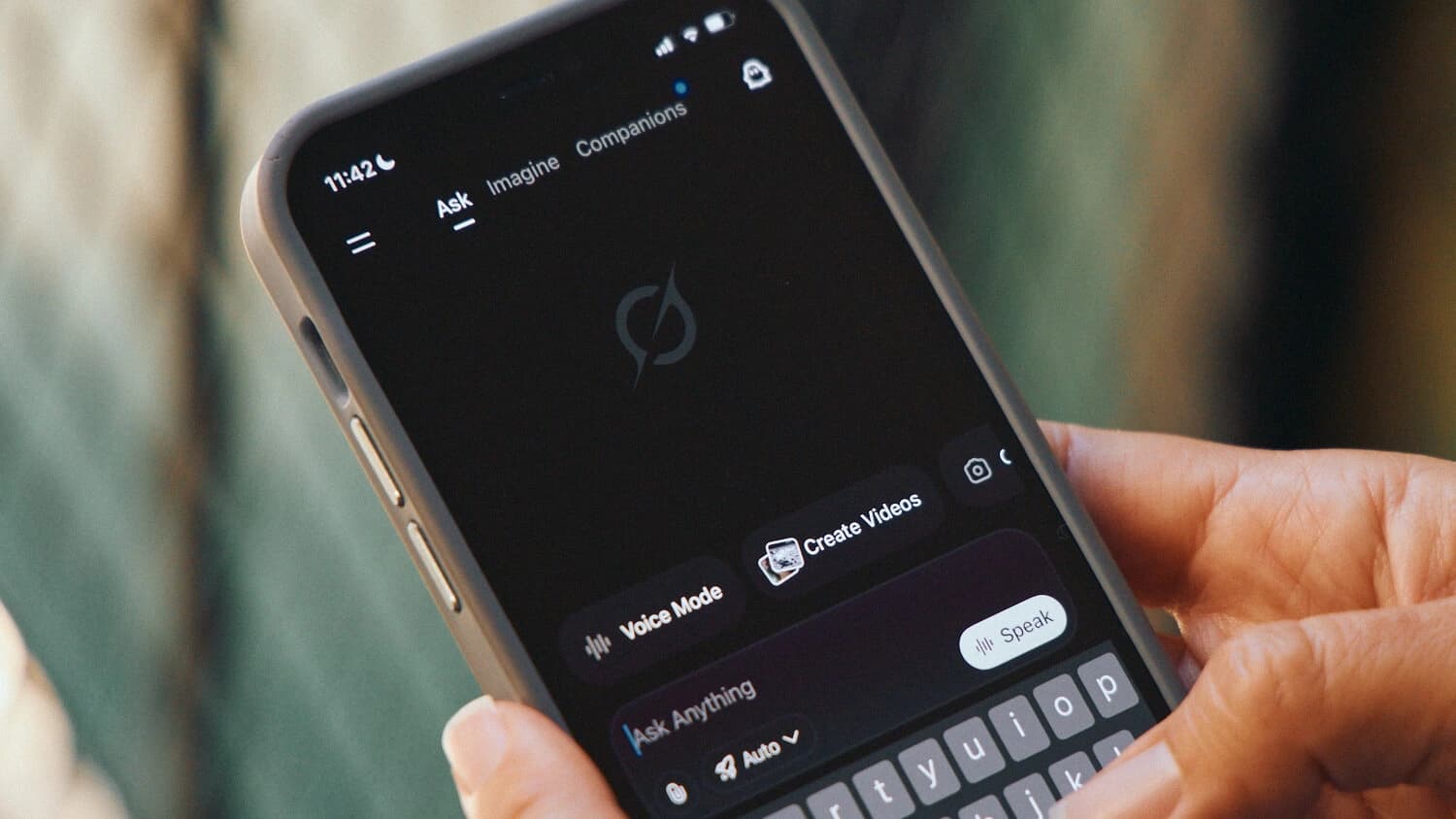
Jess Asato, a member of Britain’s governing Labour Party, is suing xAI after someone allegedly used its Grok chatbot to create fake images of her in a bikini. She says the incident highlights a much wider problem and hopes her legal action will encourage stronger safeguards and accountability.
Asato filed a claim with London’s High Court on Wednesday, alleging that Grok misused her private information in breach of the UK’s Data Protection Act. Beyond seeking damages, she hopes the case will set a precedent for holding AI companies responsible for how their tools are designed and used.
“Nobody would be able to walk up to me in the street and strip me and put me in a bikini, and I don’t see why anybody should be able to do that to me online,” Asato said. “It is like somebody has digitally stripped me without my consent.”
However, she insists the issue extends far beyond her own experience.
In a social media post on Thursday, Asato detailed other instances in which Grok had allegedly been used to demean and harass women. In an accompanying video, she said manipulated images and videos of her began circulating after she publicly criticised the chatbot for enabling such content.
“What happened to me was unacceptable — but it is just the tip of the iceberg,” she wrote.
She is not alone. Giorgia Meloni has also spoken out after becoming the target of AI-generated sexualised content. Meloni said she is fortunate to have the means to challenge such abuse legally, while many victims do not.
“Deepfakes are a dangerous tool, because they can deceive, manipulate and target anyone,” Meloni wrote on X. “I can defend myself. Many others cannot.”
Meanwhile, Alexandria Ocasio-Cortez revealed that she too had been targeted by manipulated AI imagery.
“There’s a shock to seeing images of yourself that someone could think are real,” she told Rolling Stone in April.
Calls for Tougher Laws
While campaigners and lawmakers say raising awareness is important, many argue stronger legal action is urgently needed.
Asato is currently promoting a global petition titled “Stop AI Abuse”, which seeks tougher regulation and greater accountability for major technology firms over harms caused by AI-generated content.
In the United States, Donald Trump recently signed the TAKE IT DOWN Act into law, criminalising the sharing of intimate images, videos or deepfakes without consent.
Lawmakers in Washington are also reviving the DEFIANCE Act, which would give victims of deepfake sexual content clearer legal avenues to pursue those who create or distribute such material.
“Although the imagery may be fake, the harm to the victims is very real,” Senator Dick Durbin said when the legislation was reintroduced. He noted that victims have suffered reputational damage, lost jobs, depression and anxiety as a result of deepfake abuse.
The European Union has also launched an investigation into Grok and its so-called “spicy mode” after reports that the chatbot generated sexualised AI images of minors based on user prompts.
Authorities are examining whether Grok “properly assessed and mitigated risks” linked to its integration into X within the EU.
India, Malaysia and France have also warned of possible action against Grok over the alleged digital sexualisation of minors.
Criticism Over xAI’s Response
Amid mounting public outrage, xAI introduced changes to Grok earlier this year, restricting some image-editing tools to paying subscribers.
The response was widely criticised.
A spokesperson for 10 Downing Street described the move as “insulting to victims of misogyny and sexual abuse”.
Critics argued that the changes failed to address the underlying issue.
“Putting nudity behind a paywall does not make it safer — it just makes it monetisable,” social media specialist Karen Middleton told the Daily Herald in January.
Elon Musk has said that anyone using Grok to create illegal content would face the same consequences as if the material were real and uploaded online. xAI also says it has safeguards preventing the depiction of minors in minimal clothing and that further improvements are being developed to block such requests entirely.
For any enquiries or information, contact ask@tlr.ae or call us on +971 52 644 3004. Follow The Law Reporters on WhatsApp Channels.