Dubai Ejari Renewal Rules Explained: Who Pays the Fees, When Registration Must be Updated and What Tenants Should Know
Dubai’s rental laws define who is responsible for Ejari registration, renewal fees and updating tenancy records when contracts change.
 Staff WriterMay 8, 2026, 11:52 AM
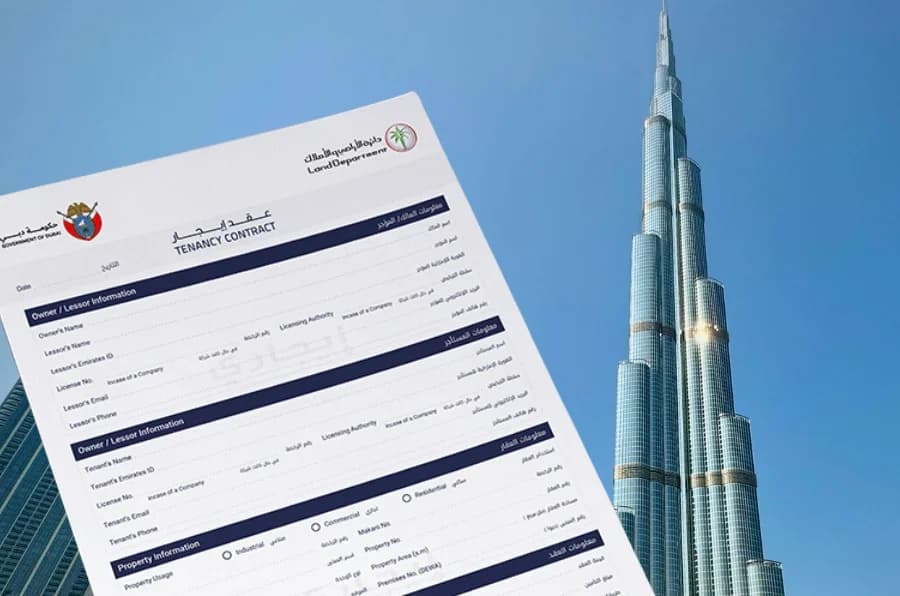
For thousands of tenants in Dubai, renewing an Ejari registration has become a routine part of renewing a tenancy contract every year. Yet confusion continues over one key issue — who is legally responsible for paying the Ejari renewal charges, and what exactly does UAE law say about the process?
Ejari, introduced by the Dubai Land Department (DLD) in 2010, is the official system used to register and regulate tenancy contracts across the emirate. The system was created to standardise rental agreements, formally document landlord-tenant relationships and ensure tenancy contracts are legally recognised by government authorities.
Without an active Ejari registration, tenants may face difficulties accessing several essential services, including visa renewals, utility connections and other government-related procedures linked to proof of residence. As a result, Ejari is treated as a legal requirement rather than an optional administrative formality.
Under Dubai’s tenancy regulations — Law No. 26 of 2007, later amended by Law No. 33 of 2008 — the landlord is legally responsible for ensuring that the tenancy contract is registered within the Ejari system. However, the law also states that the tenant must bear government fees and charges associated with using the property, unless both parties agree otherwise in the tenancy contract.
In practical terms, this means landlords are expected to ensure Ejari registration is completed, while tenants usually pay the associated renewal charges and often carry out the renewal procedure themselves. However, tenancy agreements can include clauses shifting this responsibility, and such contractual arrangements generally prevail if both parties mutually agree.
Legal experts note that many disputes arise because tenants assume Ejari renewal is entirely the landlord’s responsibility, while some landlords expect tenants to handle both the payment and the administrative process. In reality, the legal framework separates responsibility for registration from responsibility for payment.
Ejari registration must also be updated whenever major tenancy details change. The process is not limited to annual renewals alone. A fresh registration or amendment may be required when rent amounts are revised, tenant information changes or other material terms of the tenancy agreement are modified.
Dubai authorities have increasingly digitised the process, allowing tenants and landlords to complete Ejari renewal online through the Dubai REST application or DLD digital platforms. Online renewal fees currently include Dh100 for tenancy contract registration, Dh10 as a knowledge fee, Dh10 as an innovation fee, Dh55 as a service partner fee and Dh2.75 VAT on service charges, bringing the total to Dh177.75.
Residents who prefer completing the process through authorised Real Estate Services Trustee Centres may pay slightly higher charges. In such cases, the total cost is usually around Dh220 after including service partner fees and VAT.
As Dubai’s rental market continues to evolve with tighter regulations and increased digital integration, legal compliance with Ejari requirements remains essential for both landlords and tenants. Rental contracts that are not properly registered may create complications in resolving disputes, proving occupancy or accessing official services linked to tenancy records.
For any enquiries or information, contact ask@tlr.ae or call us on +971 52 644 3004. Follow The Law Reporters on WhatsApp Channels.