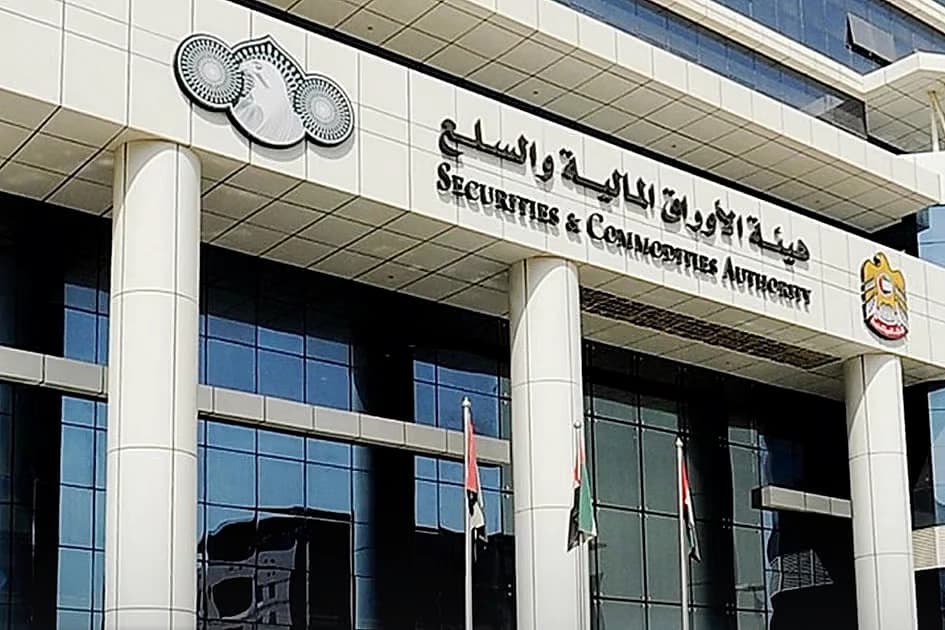
Investor Confidence in Dubai: What Securities and Commodities Authority Rules Mean for Compliance and Protection
How licensing categories, fund-collection limits and recent SCA warnings shape investor protection and legal enforceability in the UAE financial market.

Dubai’s financial market continues to offer attractive opportunities, but investor protection remains a top priority. The Securities and Commodities Authority (SCA) is the UAE’s federal financial regulator responsible for overseeing securities, commodities and investment activities. The SCA issues licences, regulates entities, monitors compliance and protects investors against fraud or unlawful financial practices.
The Securities and Commodities Authority (SCA) has clear rules governing companies and individuals authorised to collect or manage investments from the public. Understanding these regulations is essential to avoid disputes and to ensure that investments are legally secure.
Only licensed companies can collect investments -- but not all licences are equal
Under UAE law, only companies properly licensed by the SCA may accept client funds for investment or financial services. However, not all SCA licences permit companies to collect or hold client funds. For example:
- First Category licence: Companies may execute trades and hold client funds. They are fully authorised to manage investments.
- Fifth Category licence: Companies may only advise on or promote investments; they are not permitted to collect or hold client funds.
Many investors encounter companies holding Category 5 licences that introduce clients to entities incorporated outside the UAE and beyond SCA jurisdiction. In such cases, investors may end up transferring funds directly to foreign companies that are not regulated by the SCA, exposing themselves to significant financial risk and potential loss. Understanding the type of licence a company holds is therefore crucial before transferring funds or signing agreements.
Licensed entities must also comply with additional regulatory requirements, including:
- Receiving funds only for authorised activities, such as service fees, commissions or investments through licensed intermediaries;
- Holding client funds in segregated accounts, separate from company funds;
- Reporting and accounting for client funds in accordance with SCA regulations;
- Maintaining transparency regarding the intended use of funds.
Companies that collect funds without the appropriate licence are acting unlawfully. Agreements or financial instruments arising from such transactions may be unenforceable, giving investors legal grounds to challenge them.
Any company that collects funds without the appropriate SCA licence is acting outside the law. Agreements or financial instruments arising from such transactions may be unenforceable, providing investors with valid legal grounds to dispute them.
By way of example, in a recent matter we handled, we advised a client on challenging the enforceability of a cheque worth Dh3 million issued to a financial consultancy. The cheque was deposited despite the recipient lacking authorisation to accept investment funds. The Court of Cassation agreed with our position, emphasising that transactions involving unlicensed entities cannot be legally enforced. The case underscores the practical importance of verifying licensing before transferring funds or entering into financial agreements.
Recent SCA notifications: know who you are dealing with
The SCA has issued several notifications warning investors about unlicensed entities offering financial services. Examples include BDS Ltd. (Seychelles), FX Globe Marketing Management, Top Profit Marketing Services L.L.C, Sigma One Capital, MEX Atlantic Corporation, among others.
Investors are strongly advised to verify the identity and licensing status of any company before signing agreements or transferring funds. The SCA maintains an updated list of licensed companies on its official website, which should be consulted to avoid potential fraud.
Individuals giving financial advice must also be licensed
The SCA has also clarified that individuals providing financial advice through social media or other platforms must be registered and licensed. Investors should ensure that any influencer, advisor or educator offering investment recommendations is authorised by the SCA before acting on their advice.
Investor best practices: protecting your funds
- Verify licensing and identity: Confirm that the company receiving funds is properly licensed by the SCA.
• Use official resources: Check the list of licensed companies on the SCA’s official website.
• Ensure social media advisors are registered: Verify that individuals providing financial advice are licensed.
• Understand regulatory limits: Funds should only be transferred for activities authorised under UAE law.
• Demand transparency: Insist on clear documentation explaining how funds will be used and handled.
Conclusion: compliance remains central to investor protection
Investor protection in Dubai depends on dealing with properly licensed companies and authorised individuals. SCA regulations and recent notifications reinforce that compliance with licensing requirements is essential to safeguard funds, reduce legal risk and ensure that financial instruments and agreements remain enforceable. By following these best practices, investors can navigate the UAE’s financial markets with greater confidence.
For any enquiries or information, contact ask@tlr.ae or call us on +971 52 644 3004. Follow The Law Reporters on WhatsApp Channels.