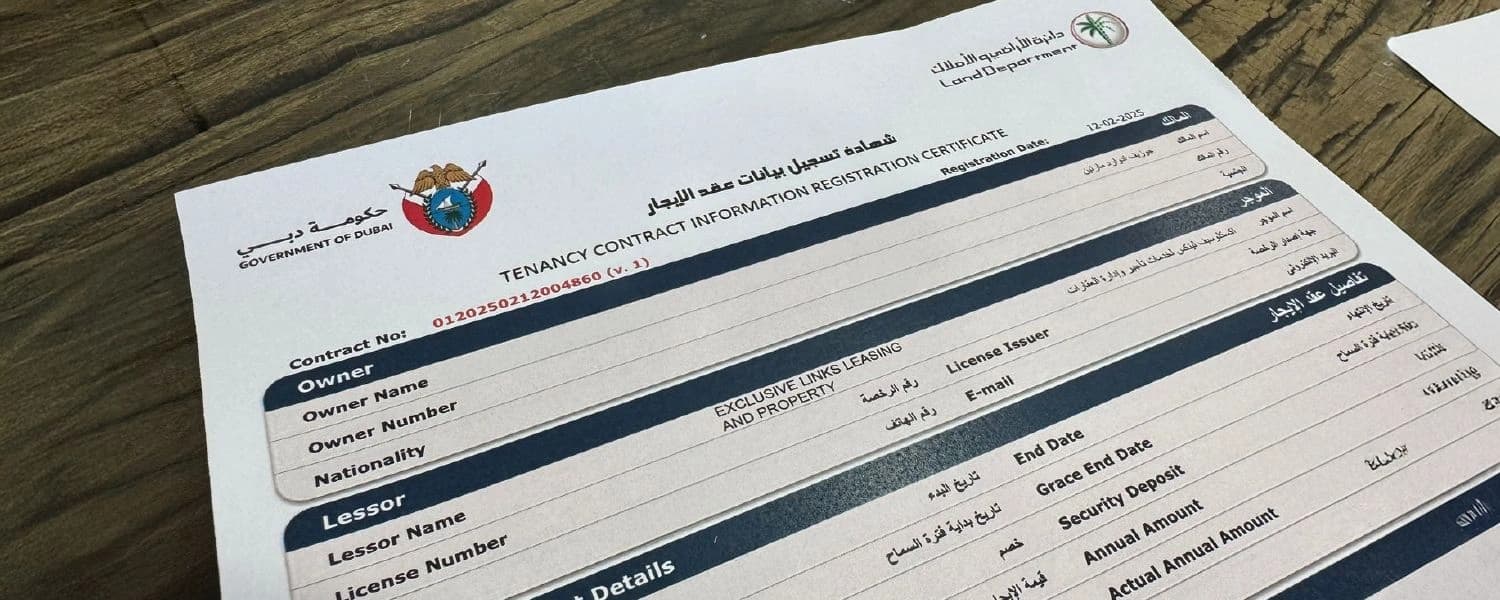
Can Dubai Tenants Sublet a Rented Property? Understanding Landlords’ Rights, Eviction Rules and Legal Position of Subtenants
Dubai law requires landlord approval for subletting and allows eviction in cases of unauthorised subleases or unpaid rent.
 Staff WriterJun 6, 2026, 9:35 AM
Subletting a rented property in Dubai without the landlord's permission can have serious legal consequences for both tenants and subtenants. While such arrangements are common among relatives, friends and acquaintances, Dubai's tenancy regulations impose clear restrictions on transferring occupancy rights to third parties.
Under Dubai Law No. 26 of 2007 regulating the relationship between landlords and tenants, a tenant is generally prohibited from assigning the use of a property or subleasing it to another person unless the landlord has provided written consent. The only exception is where the lease agreement specifically allows such an arrangement.
The law also grants landlords the right to seek eviction before the expiry of the tenancy contract in certain circumstances. One of the most common grounds is non-payment of rent. If a tenant fails to pay rent or any part of it, the landlord may serve a notice demanding payment. If the outstanding amount is not settled within 30 days from the date of service of the notice, the landlord may initiate eviction proceedings.
Illegal subletting is another recognised ground for eviction. Where a tenant subleases all or part of a property without obtaining the landlord's written approval, the landlord may seek the eviction of both the tenant and the subtenant. In such cases, the subtenant may retain the right to pursue compensation from the tenant who entered into the unauthorised arrangement.
For individuals occupying a property under a sublease arrangement, the key issue is whether the landlord approved the arrangement. If the landlord has consented to the sublease, it may be possible to regularise the tenancy and address any outstanding rental payments before the 30-day notice period expires. However, where the property has been sublet without the landlord's knowledge or written approval, the landlord may move to evict the occupants once the violation comes to light, even if the subtenant has been paying rent on time.
The latest legal framework therefore makes it clear that tenants should not assume they have the right to rent out a property to another person simply because they hold a valid tenancy contract. Written approval from the landlord remains the critical requirement, and failure to obtain it can place both the tenant and the subtenant at risk of eviction.
For any enquiries or information, contact ask@tlr.ae or call us on +971 52 644 3004. Follow The Law Reporters on WhatsApp Channels.