Powell Accuses Trump Administration of Threatening Criminal Charges
Federal Reserve Chair says Department of Justice subpoenas are a "pretext" to pressure interest rate policy.
 Staff WriterJan 12, 2026, 11:34 AM
Federal Reserve Chair Jerome Powell has accused the Trump administration of threatening him with criminal indictment over testimony he gave to Congress last summer regarding a Fed building project. Powell described the action as a “pretext” to exert greater influence over the central bank and monetary policy.
The development is part of President Donald Trump's long-running efforts to gain more control over the Fed. Republican Senator Thom Tillis, a member of the Senate Banking Committee, said in a statement on X that the threatened indictment calls the Department of Justice’s “independence and credibility” into question. Tillis added that he would oppose any Trump nominees to the Fed, including the president’s forthcoming choice of a new chair, “until this legal matter is fully resolved.”
Powell revealed the subpoenas and threats in a Sunday night statement.
“On Friday, the Department of Justice served the Federal Reserve with grand jury subpoenas, threatening a criminal indictment related to my testimony before the Senate Banking Committee last June,” Powell said. “I have deep respect for the rule of law and accountability in our democracy. No one -- certainly not the Chair of the Federal Reserve -- is above the law. But this unprecedented action should be seen in the broader context of the administration’s threats and ongoing pressure” for lower interest rates and greater influence over the Fed.
“This new threat is not about my testimony last June or the renovation of Federal Reserve buildings. It is not about Congress’s oversight role… Those are pretexts. The threat of criminal charges is a consequence of the Federal Reserve setting interest rates based on our best assessment of what will serve the public, rather than following the President’s preferences.”
Trump told NBC News that he had no knowledge of the Justice Department’s actions. “I don’t know anything about it, but he’s certainly not very good at the Fed, and he’s not very good at building buildings,” Trump said. The Department of Justice had no immediate comment.
Powell Inquiry a ‘Low Point’ in Trump Presidency
Trump has demanded sharp rate cuts since returning to office in January, blaming Fed policy for slowing the economy and hinting at firing Powell, despite legal protections covering the Fed chair. He is also attempting to remove Fed Governor Lisa Cook in a case now pending before the Supreme Court.
Central bank independence, particularly in setting interest rates to control inflation, is considered fundamental to sound economic policy, insulating monetary policymakers from short-term political pressure and enabling them to focus on long-term price stability.
Peter Conti-Brown, a Fed historian at the University of Pennsylvania, said: “The inquiry into Powell is a low point in Trump’s presidency and a low point in the history of central banking in America. Congress did not design the Fed to reflect the president’s daily fluctuations, and because the Fed has rebuffed President Trump’s efforts to undermine it, he is using the full weight of American criminal law against its Chair.”
Financial markets showed little change in near-term expectations for Fed policy even after Powell’s term ends in May, with futures still pricing in two rate cuts this year.
Latest Trump Administration Moves Mark Turning Point
The subpoenas and Powell’s statement signal a stark escalation in the ongoing battle between Trump and Powell. Trump elevated Powell to chair during his first term but quickly grew critical, issuing public rebukes and threats.
Powell has largely avoided commenting on the president’s statements, instead noting that chief executives often express opinions on various issues, and pledging to “continue to do the job the Senate confirmed me to do.”
The administration’s recent moves, however, appear to mark a turning point, with Powell directly accusing it of using the legal system to pressure the Fed to lower rates faster than the central bank’s 19-member policy body deems appropriate.
Powell’s term as chair ends in May, but he may remain on the Fed board until 31 January 2028, limiting the president’s ability to make further appointments.
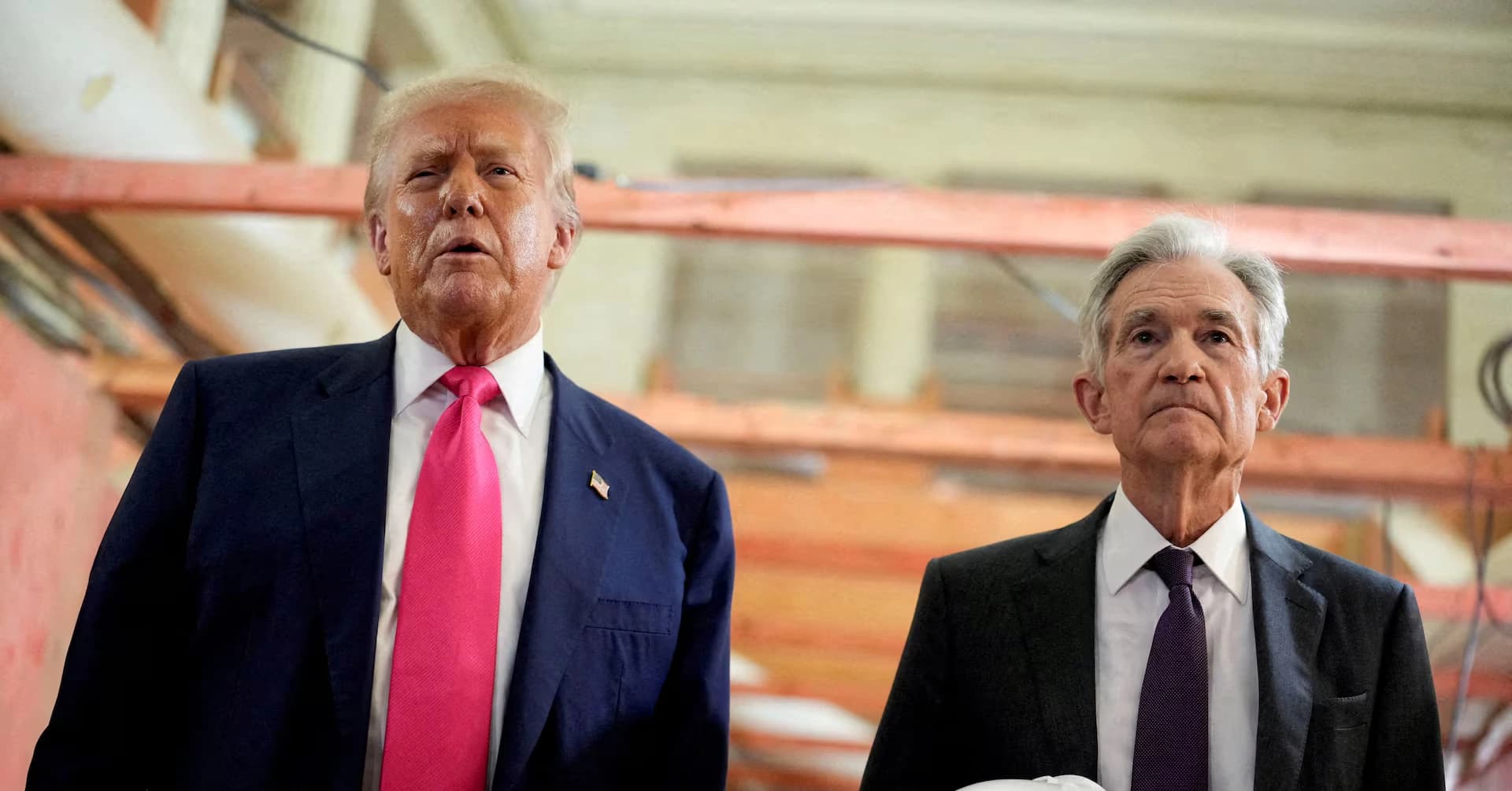
Earlier criticism from the White House targeted the Fed’s $2.5 billion renovation of two Washington buildings, calling it excessive. Analysts at the time suggested it was a pretext for the administration’s rate-pressure campaign, though Powell provided detailed explanations and site tours, including one for Trump in July.
For any enquiries or information, contact ask@tlr.ae or call us on +971 52 644 3004. Follow The Law Reporters on WhatsApp Channels.