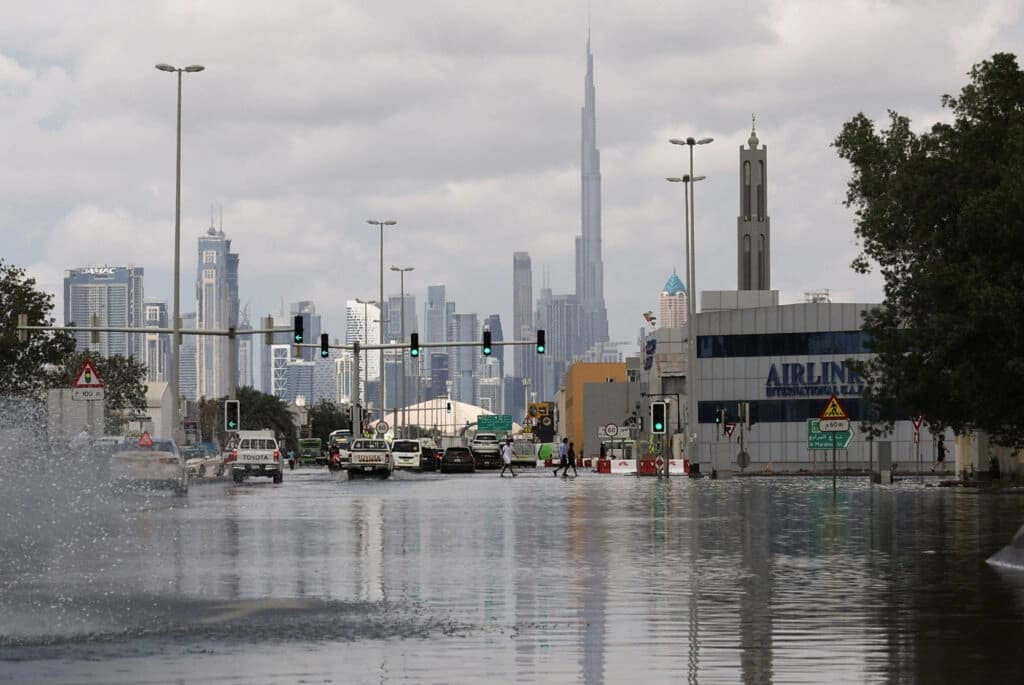
Rain Damage in Dubai: Who Pays for Maintenance When Severe Storms Strike and Homes are Hit?
How UAE rental laws define landlord liability, tenant rights, and what you can claim after extreme weather.
 Staff WriterMar 31, 2026, 12:17 PM
Heavy rain, thunderstorms and strong winds swept parts of the UAE overnight from last Thursday into early Friday, leaving some homes damaged in their wake. This may include issues such as water intrusion, electrical faults, or damage to furniture and windows.
In rental properties, this raises a key question: who is responsible for covering repair costs? And what steps can tenants take to safeguard their belongings during extreme weather?
In Dubai, Abu Dhabi and Sharjah, the law places primary responsibility for maintaining a leased property firmly on the landlord. The landlord is legally required to keep the property fit for use and must carry out all necessary repairs during the tenancy period, unless the tenancy contract explicitly provides otherwise.
In practical terms, if your roof leaks, walls crack, or structural damage occurs due to the storm, your landlord is expected to fix it and bear the cost — not you.
What the UAE Civil Code Says
The federal legal framework underpinning tenant protection in repair disputes is Article 767(1) of Federal Law No. 5 of 1985 (the UAE Civil Code). It grants tenants clear rights if a landlord refuses or delays action: The landlord must repair any defect that affects the tenant’s use and enjoyment of the leased property. If the landlord fails to do so, the tenant has the right to terminate the lease or seek a court order allowing them to carry out repairs and recover the reasonable cost from the landlord.
This provision becomes particularly relevant when damage is serious enough to deprive a tenant of normal use and enjoyment of their home — precisely the kind of impact a severe storm can cause.
Can You Claim Reimbursement?
If you have had to spend your own money on urgent repairs that were legally the landlord’s responsibility, you are entitled to seek reimbursement. This right is grounded in Article 767(1) of the Civil Code, as outlined above.
If the contract is silent on maintenance, and the landlord refuses to reimburse or undertake repairs, tenants can escalate the matter to the RDC in Dubai. Similar authorities operate in Abu Dhabi and Sharjah. Taking this step is crucial, as courts have held that tenants who fail to approach the appropriate authority may lose their right to claim compensation.
Important: Check Your Tenancy Contract First
In Dubai, where a tenancy contract includes clauses assigning maintenance responsibilities differently, those contractual terms take precedence under Article 16 of Law No. 26 of 2007. Always review your contract carefully and seek legal advice if the wording is unclear.
Steps to Take Right Now
- Document everything — Photograph and record videos of all damage immediately. Ensure timestamps and capture the wider context to show the extent of the impact.
- Notify your landlord in writing — Send a formal notice (email or registered letter) detailing the damage and requesting repairs. Keep copies of all correspondence.
- Review your tenancy contract — Check for clauses related to maintenance, repairs, or force majeure events, as these may affect your rights.
- Keep all receipts — If emergency repairs are unavoidable, retain every invoice and receipt. These will be essential for reimbursement claims.
- File a case if needed — If the landlord fails to respond, file a maintenance case with the Rental Dispute Centre (Dubai) or the relevant authority in your emirate.
Consider Tenant Content Insurance
While the law offers strong protection for the property itself, it does not automatically extend to personal belongings. Furniture, appliances, clothing and electronics remain the tenant’s responsibility, not the landlord’s.
If you do not already have contents insurance, the current spell of extreme weather is a timely reminder to consider it. Policies are widely available across the UAE and are generally affordable compared to the cost of replacing damaged belongings out of pocket.
A standard tenant or content insurance policy typically covers damage to personal property such as furniture, appliances and valuables, and in many cases, temporary accommodation if the home becomes uninhabitable. If you already hold a policy, contacting your insurer should be the first step.
Landlords May Invoke Force Majeure
In cases of extreme and unforeseeable natural events — such as the recent storms and flooding across the UAE — landlords may argue that they are released from their obligations under the legal doctrine of force majeure.
Force majeure refers to circumstances beyond a party’s reasonable control that prevent them from fulfilling contractual obligations. If accepted by a court, this argument could reduce or eliminate a landlord’s liability for storm-related damage.
This does not leave tenants without options, but it is an important factor to consider — particularly where the damage is caused directly by the storm rather than by any pre-existing defect or negligence on the part of the landlord.
For any enquiries or information, contact ask@tlr.ae or call us on +971 52 644 3004. Follow The Law Reporters on WhatsApp Channels.