US Tightens Student Visa Rules, Limits Foreign Students’ Stay to Four Years
DHS ends decades-old duration of status policy, introducing stricter renewal requirements for international students, researchers.
 Staff WriterJul 17, 2026, 11:34 AM
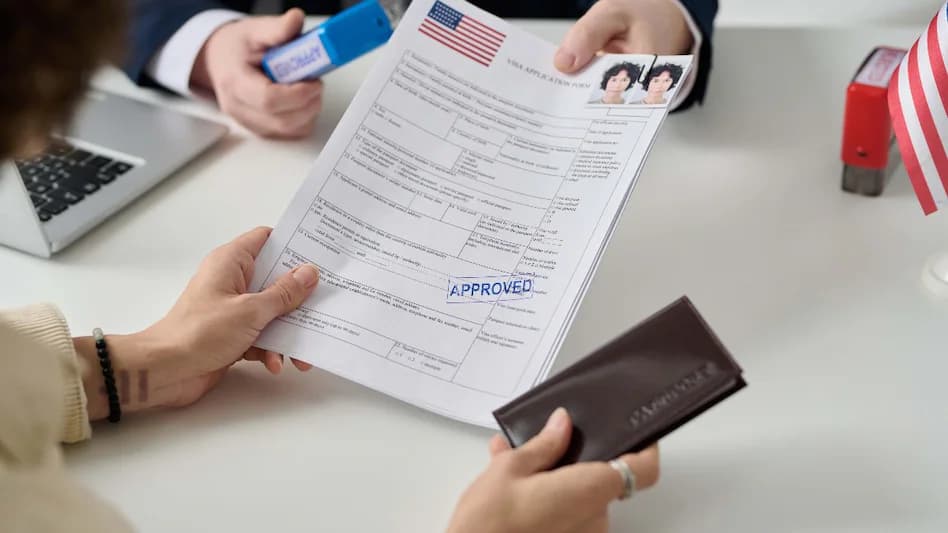
Foreign students on F-1 visas will face a four-year limit on their stay in the US under new regulations finalised by the Department of Homeland Security (DHS).
The DHS rule, released on Thursday, ends the long-standing “duration of status” framework that allowed foreign students to remain in the country as long as they maintained full-time enrolment and complied with visa requirements. Under the new system, F-1 students must seek DHS approval to extend their stay beyond the four-year admission period.
The agency said the change was aimed at strengthening national security safeguards and addressing concerns linked to oversight of the student visa programme.
The regulation marks the latest immigration policy shift by the Trump administration affecting the nearly 1.2 million international students enrolled in US universities.
Last year, DHS cancelled the legal status of thousands of students under its “Student Criminal Alien Initiative”. The agency has also revised the selection process for H-1B specialty occupation visas, reducing opportunities for some early-career foreign professionals, while US Immigration and Customs Enforcement (ICE) has increased scrutiny of alleged fraud involving F-1 visas.
The new rule also introduces fixed periods of stay for J-1 exchange visitors, including foreign researchers working at US universities, and international media personnel holding I visas. It further restricts changes to academic programmes and shortens the grace period available for F-1 students to leave the US after their status expires.
Higher education and medical organisations had strongly criticised the draft regulations released last year, warning that the changes could disrupt degree completion, research activities and physician training programmes.
Homeland Security Secretary Markwayne Mullin said the previous duration of status system had weakened national security and created opportunities for abuse.
“By implementing clear, finite limits on these visas, the United States is reclaiming its ability to properly screen, vet and monitor individuals within our borders,” Mullin said. “This final rule ensures that foreign students remain focused on their primary purpose: completing their studies and returning home.”
However, NAFSA: Association of International Educators criticised the policy, saying it addressed a problem that did not exist.
Fanta Aw, the organisation’s executive director and chief executive officer, said requiring students and researchers to seek government approval for academic extensions, changes in majors or further study would shift educational decisions from universities to an already strained immigration system.
“At a time when global competition for talent is intensifying, this policy sends exactly the wrong message,” Aw said. “It tells the world’s brightest students and scholars that the United States is becoming less welcoming, less predictable and less committed.”
For any enquiries or information, contact ask@tlr.ae or call us on +971 52 644 3004. Follow The Law Reporters on WhatsApp Channels.