US Supreme Court Refuses to Halt Apple Contempt Order in High-stakes Epic Games App Store Battle
Court declines emergency relief sought by Apple as long-running antitrust dispute over App Store commissions heads back to trial court.
 Staff WriterMay 7, 2026, 10:03 AM
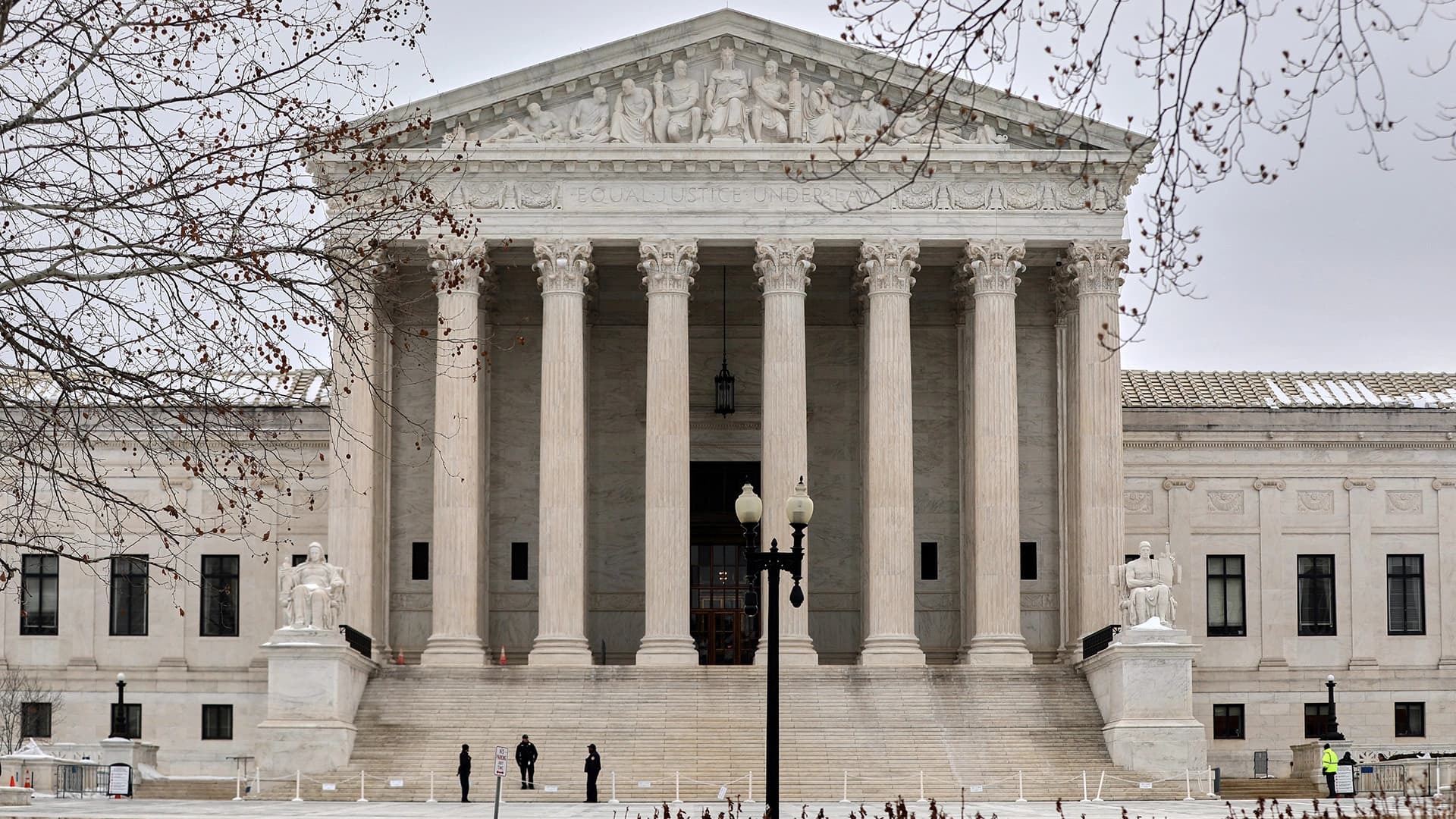
The US Supreme Court on Wednesday rejected Apple’s request to temporarily block a judicial order that found the iPhone maker in violation of sweeping court-mandated changes to its lucrative App Store, imposed as part of an antitrust lawsuit brought by “Fortnite” maker Epic Games.
Justice Elena Kagan, acting on behalf of the court, declined to pause a ruling by the San Francisco-based United States Court of Appeals for the Ninth Circuit that held Apple in contempt in the Epic Games lawsuit challenging App Store fees.
The Supreme Court’s decision means Apple will return to Yvonne Gonzalez Rogers in Oakland, California, to continue arguing over what commission the company can lawfully charge for certain app-related transactions. Apple’s application before the Supreme Court sought to avoid returning to the trial court while it pursued its broader legal challenge before the justices.
Epic Games chief executive Tim Sweeney said in a statement that “the Supreme Court has considered Apple’s delaying motion and found it unworthy.”
Apple and Epic Games have been locked in a years-long legal battle over the rules governing Apple’s App Store. The contempt ruling, and the scope of Apple’s court-ordered obligations, are the latest issues in the dispute to reach the Supreme Court. Apple has argued that the Ninth Circuit’s decision could affect how millions of app purchases are conducted.
Epic Games secured the contempt order last year as part of litigation it launched in 2020 seeking to loosen Apple’s control over transactions within applications using the company’s iOS operating system, as well as restrictions on how apps are distributed to consumers.
Although Apple largely defeated Epic’s original lawsuit, the judge’s 2021 injunction required the company to allow developers to include links within apps directing users to payment methods outside Apple’s ecosystem.
Apple subsequently permitted such links, but introduced new restrictions, including a 27 per cent commission on purchases made through external payment systems within seven days of a user clicking a link. Developers are typically charged a 30 per cent commission for purchases made directly through the App Store.
Epic argued that the 27 per cent commission violated the earlier injunction. In 2025, the judge found Apple in civil contempt for breaching the order.
The Ninth Circuit, in December, upheld the contempt finding, but allowed Apple to present new arguments regarding what commission it should be permitted to charge for digital goods purchased through apps distributed via the App Store but paid for using third-party payment systems.
In the district court proceedings, Sweeney said Apple must now disclose the costs involved in reviewing apps that use competing payment systems so developers can be charged accordingly.
Apple has denied violating the judge’s order and has argued that the injunction should not extend to millions of developers beyond Epic Games.
“Regulators around the world are watching this case to determine what commission rate Apple may charge on covered purchases in huge markets outside the United States,” Apple said in a Supreme Court filing.
Epic Games has argued that Apple should not be allowed to sidestep the judge’s original injunction, saying this would “give Apple more time to continue unfairly profiting at the expense of consumers and app developers.”
For any enquiries or information, contact ask@tlr.ae or call us on +971 52 644 3004. Follow The Law Reporters on WhatsApp Channels.