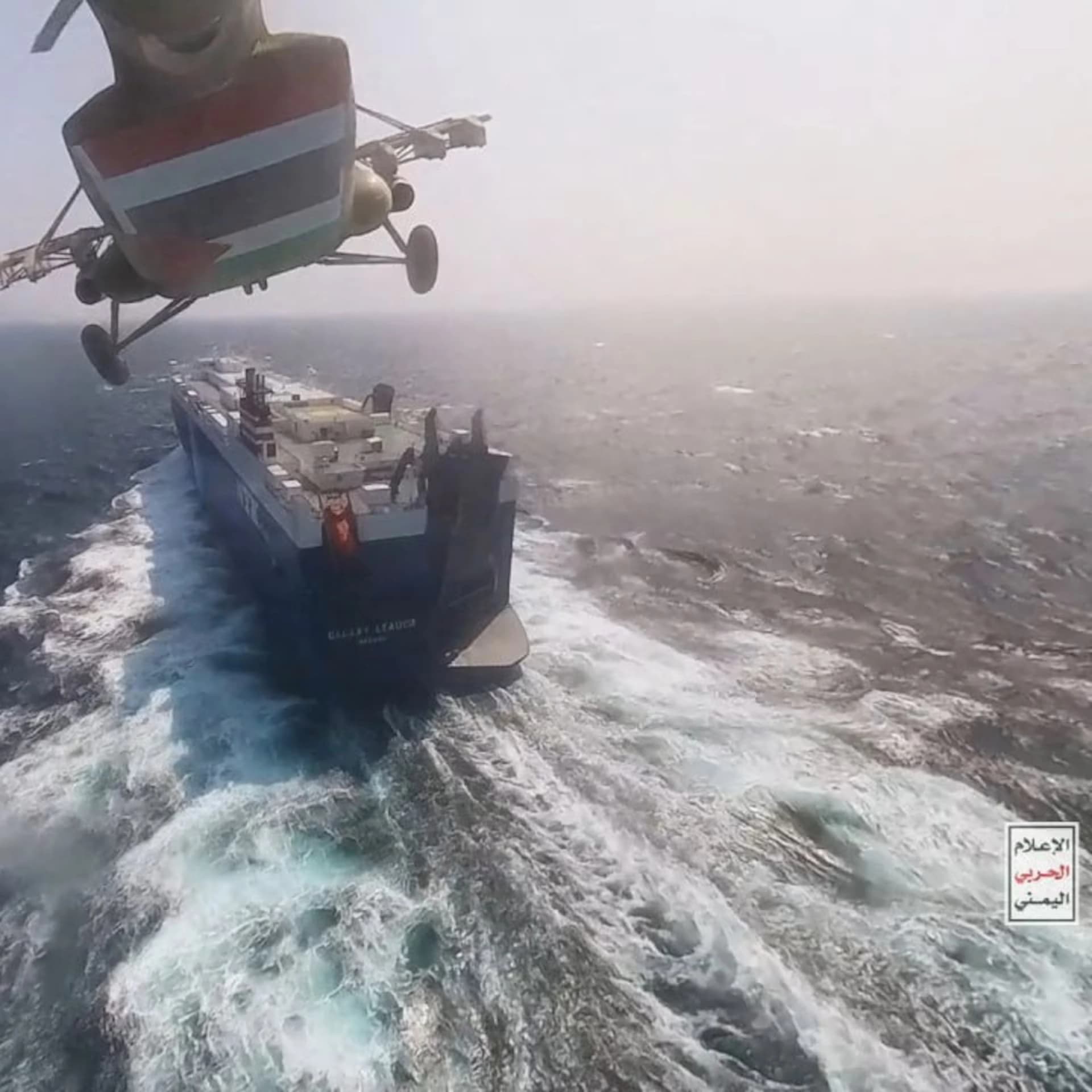
War at Sea: How the West Asia Conflict Is Reshaping Shipping Insurance and Maritime Risk
Mounting tensions in West Asia are driving up war-risk premiums and raising complex legal questions for shipowners, cargo interests, and global trade.

The escalating conflict in West Asia may trigger significant disruption in the global maritime insurance market, particularly for vessels operating near the strategic waters of the Strait of Hormuz and surrounding Gulf routes. As missile attacks, naval threats, and military operations intensify, marine insurers may reassess their exposure and imposing stricter war-risk conditions for vessels operating in the region.
For the shipping industry and international trade, the consequences extend far beyond higher insurance costs. The situation may reopen complex legal debates about the scope of marine insurance policies, war-risk exclusions, liability allocation, and the contractual obligations of shipowners navigating conflict zones.
War Risk and Marine Insurance: What Standard Policies Cover
Marine insurance traditionally consists of several layers of protection. The two most common forms are hull insurance, which covers damage to the vessel itself, and cargo insurance, which protects goods transported by sea. However, most standard marine insurance policies contain war exclusions, meaning losses caused by acts of war, hostilities, or military operations are typically excluded.
To address this gap, shipowners and charterers usually obtain separate war-risk insurance policies that specifically cover losses resulting from war, terrorism, missile attacks, mines, or other hostile acts at sea.
The complexity lies in how such policies are triggered during fast-moving geopolitical crises.
Marine insurance policies are drafted with clear war-risk exclusions, but the real legal challenges arise when insurers must determine whether an incident falls within a war-risk clause or a standard marine policy.
In modern conflicts involving drones, proxy groups, and missile strikes, attribution becomes legally complex. Determining whether a loss is classified as an act of war can directly affect whether insurers are obliged to honor claims.
Insurers Pull Back as Conflict Intensifies
War-risk insurance policies typically include short-notice cancellation clauses, allowing insurers to withdraw coverage within 48 or 72 hours if the security situation deteriorates significantly. This mechanism is designed to protect insurers from sudden escalation in conflict zones.
Without valid insurance, vessels may be unable to operate legally, since port authorities, financiers, and charterers generally require proof of insurance coverage before permitting ships to sail or dock.
It’s been noted that such developments could trigger contractual disputes across the shipping industry.
When insurers withdraw or suspend war-risk coverage, it creates a ripple effect across the entire maritime supply chain. Shipowners may refuse voyages, charterers may invoke contractual protections, and cargo interests may face delays or financial exposure.
The Surge in War-Risk Premiums
Even where coverage remains available, it now comes at a significantly higher cost.
War-risk premiums typically rise sharply during periods of geopolitical instability. Insurers often designate conflict-affected waters as ‘Listed Areas’ or high-risk zones, requiring additional premiums for each voyage through the region.
These additional costs are frequently passed on to cargo owners and traders through war-risk surcharges, which can substantially increase freight rates and the overall cost of maritime trade.
Insurance markets react quickly to geopolitical risk. Premiums are recalibrated almost immediately once an area is designated as a high-risk maritime zone. In extreme cases, insurers may even decline coverage entirely.
Legal Risks for Shipowners and Cargo Interests
The conflict also raises critical legal questions relating to maritime contracts and liability.
One key issue is the ‘safe port’ obligation under charterparty agreements. Charterers are generally required to nominate ports that are reasonably safe for vessels to enter and exit. If a port becomes unsafe due to armed conflict, shipowners may legally refuse to sail there.
Similarly, disputes may arise over ‘force majeure’ clauses, which allow contractual obligations to be suspended when extraordinary events such as war make performance impossible or unsafe. Legal disputes could increase if vessels suffer damage in contested waters.
If a vessel is struck by a missile, drone, or naval attack, determining liability and insurance coverage becomes highly technical. Questions may arise over policy exclusions, negligence, and whether the voyage itself complied with contractual and regulatory obligations.
Supply Chains and Rerouting
The conflict may also begin to reshape global shipping routes.
These diversions can significantly extend voyage times, increase fuel consumption, and raise freight rates — ultimately affecting global supply chains and commodity prices.
Maritime trade is extremely sensitive to geopolitical shocks. When strategic chokepoints become unstable, insurers, shipowners, and traders all adjust their risk calculations simultaneously.
The Strait of Hormuz represents one of the most critical maritime arteries for global energy supplies.
Nearly a fifth of the world’s oil shipments pass through the Strait of Hormuz. Any escalation of hostilities in or around that corridor does not merely affect regional shipping; it has immediate consequences for global energy markets, insurance costs, and the stability of international trade.
The Road Ahead
If tensions in West Asia continue to escalate, the maritime insurance sector could face one of its most significant stress tests in recent years.
Governments, insurers, and shipping companies may increasingly rely on special war-risk pools, naval escorts, or government-backed insurance schemes to maintain trade through critical sea routes.
For legal practitioners, the unfolding crisis is likely to generate complex disputes involving insurance claims, contractual obligations, and international maritime law.
In times of conflict, maritime law and insurance law move to the center of global commerce. How insurers, courts, and shipping companies interpret these policies will shape the legal and financial consequences of the crisis.
(Dr. Sunil Ambalavelil is a lawyer and the Global Executive Chairman of UAE-based legal consultancy Kaden Boriss, with extensive experience advising multinational companies on cross-border legal matters)
For any enquiries or information, contact ask@tlr.ae or call us on +971 52 644 3004. Follow The Law Reporters on WhatsApp Channels.