US Judge Dismisses Worker’s Lawsuit Over Suspected AI-Generated Filing
Arizona court orders plaintiff to rewrite complaint herself and requires both sides to disclose and verify AI use.
 Staff WriterOct 13, 2026, 9:21 AM
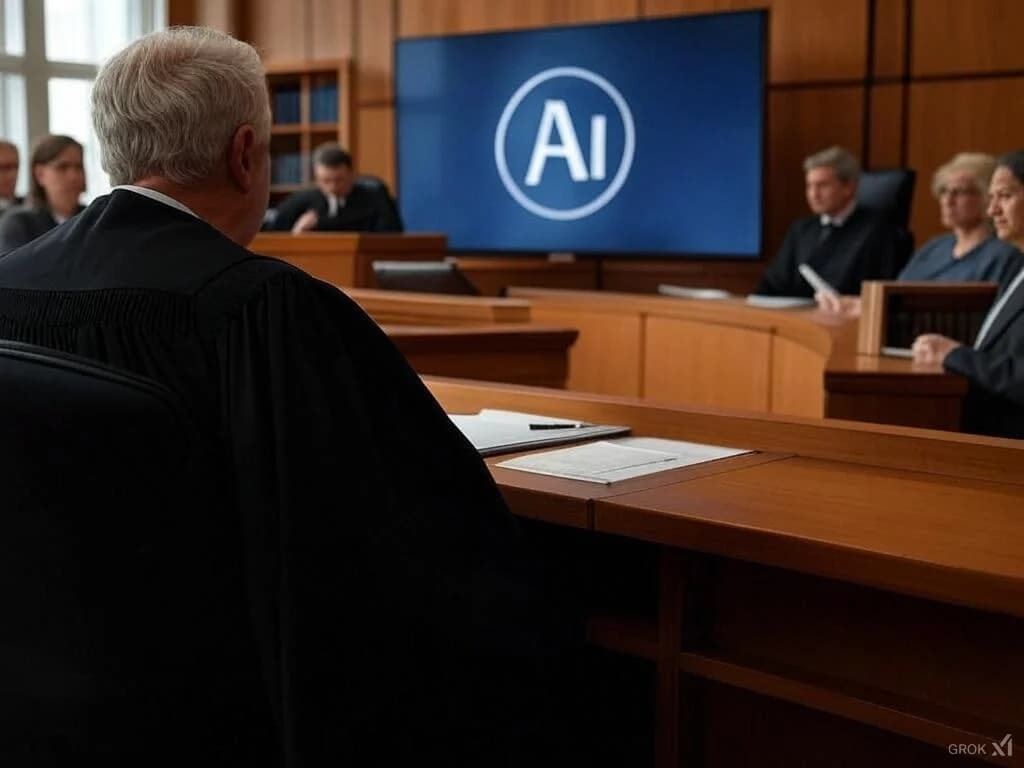
A federal judge in Arizona has dismissed a lawsuit against the US Department of Agriculture (USDA), citing signs that the complaint may have been generated using artificial intelligence (AI), and has ordered the plaintiff to draft any amended complaint herself.
In a ruling issued on Wednesday, US District Judge Krissa Lanham in Phoenix said an employment discrimination lawsuit filed against the department in September appeared to have been produced using AI, as it resembled other AI-generated complaints encountered by the court.
The 67-page complaint contained extensive factual allegations that were difficult to follow, repetitive and, in the judge’s view, largely unnecessary.
Lanham described the filing by plaintiff Shelly George as an improper “shotgun pleading”, in which factual allegations are poorly connected to unclear legal claims. George had accused the USDA of unlawful retaliation and creating a hostile work environment.
“George must personally draft the allegations she believes relevant to her claims and identify the claims she wishes to pursue,” Lanham wrote.
The judge did not prohibit the use of AI in all future filings in the case. However, she directed both sides to disclose when they used the technology and to confirm that any AI-generated material had been verified.
George, who is representing herself, told Reuters that she intended to amend her complaint and refile the lawsuit.
“I find no law that limits the number of pages one can use in a case filing. AI was partially used but if the language is valid, I’m not understanding the dismissal,” she said.
Lanham did not immediately respond to a request for comment. The Agriculture Department also did not immediately respond to a request for comment.
The ruling comes amid growing judicial scrutiny of the use of AI in legal proceedings. Lawyers and litigants can generally use the technology for legal research and drafting, provided they comply with applicable court rules and verify the accuracy of their submissions.
However, judges are increasingly encountering court documents containing apparent AI-generated errors, incoherent allegations and other deficiencies. Some have imposed sanctions or introduced restrictions, particularly in cases involving litigants representing themselves.
In a separate pending case in Florida, an appeals court is considering sanctions against a lawyer over what it described as AI-generated “slop” in court filings. A panel of judges said the submissions were excessively long, unfocused and, in some instances, amounted to “gibberish”.
When the Florida court directed the lawyer to respond to its concerns, it barred her from using AI to prepare that response. The lawyer has denied violating court rules.
Judicial approaches to AI-assisted legal work vary. Some courts require parties to disclose their use of the technology, while others have imposed outright restrictions on AI-generated material in court filings.
The Arizona ruling highlights the distinction between using AI as an aid to legal drafting and submitting documents that fail to present clear, relevant and properly structured claims. As courts establish their approach to the technology, litigants remain responsible for the accuracy, coherence and legal sufficiency of the documents they file.
For enquiries or further information, contact ask@tlr.ae or call +971 52 644 3004. Follow The Law Reporters on WhatsApp Channels.