Interviews
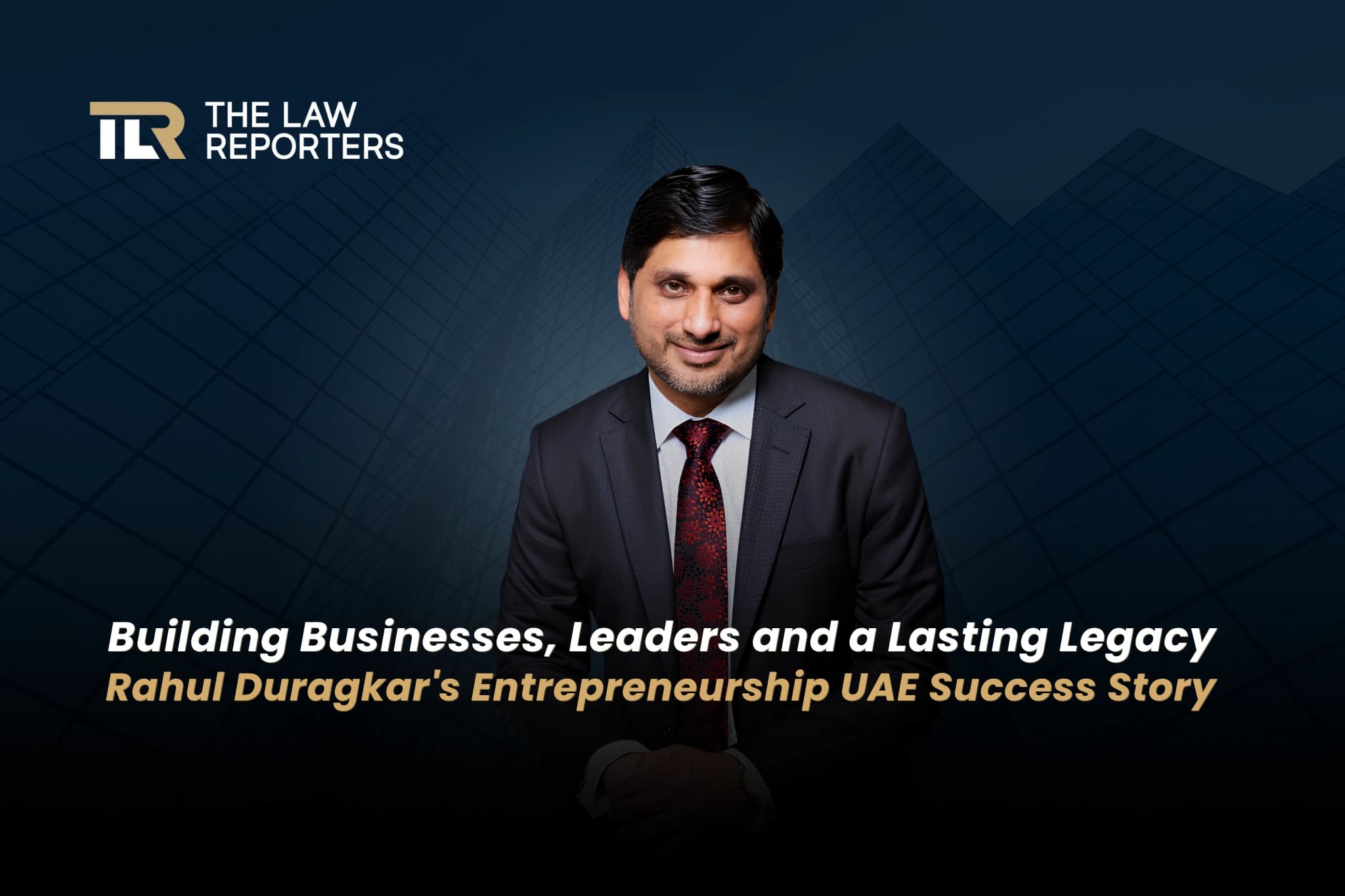
From Engineer to Entrepreneur: Rahul Duragkar on Building Businesses
After 18 years in engineering and management, he built a success story through customer focus, leadership and perseverance.
For Rahul Duragkar, entrepreneurship was never a leap into the unknown. It was the next chapter of a career built on engineering, project execution, customer management and business development.
Before establishing his business in 2011, Duragkar spent 12 years working in India and a further six in the UAE. Those 18 years gave him more than professional experience. They allowed him to observe how businesses operated, understand what customers valued and, importantly, identify where they were being underserved.
Today, Duragkar is CEO and Managing Director of Emitech Group, a UAE-based business operating across engineering and construction, high-efficiency heating, ventilation and air-conditioning (HVAC) products distribution and management consultancy.
His journey, however, is about more than building a company. It is about recognising opportunities, developing people and staying focused on the long game.
Seeing the Gap in a Growing Market
When Duragkar was building his career in the UAE, Dubai’s construction sector was expanding rapidly. Contractors were taking on larger projects, expanding their workforces and responding to growing demand. Amid that growth, he identified a gap.
Customer relationships were often heavily contractual. Service providers delivered what was specified in an agreement, but there was less emphasis on going beyond contractual obligations to create additional value or improve the customer experience.
Duragkar decided to build his business around a different philosophy. Rather than treating projects simply as transactions, he focused on customer satisfaction, service quality and relationships that could endure beyond a single contract.
He began by drawing on a professional network of around 100 people. That approach helped the company secure important contracts during its first two years and provided a platform for further growth.
The strategy soon produced tangible results. Only four years after its establishment, Emitech was ranked 21st in the 2015 Dubai SME100 programme.
Building a Company, Not Just a Business
Winning contracts was only the beginning. As the company grew, Duragkar recognised that sustainable success required more than revenue. It required systems, financial discipline and, above all, a strong organisational culture.
A founder may understand the company’s vision, but growth depends on whether that vision reaches the people delivering the work. For Duragkar, culture means ensuring employees at every level understand the organisation’s direction and work towards a common objective.
Cash flow is equally critical. Contracting businesses must maintain quality, pay suppliers and employees, manage project expenses and collect outstanding payments. Growth, therefore, has to be supported by financial discipline rather than revenue alone.
That philosophy has also influenced how Duragkar approaches expansion. Over the years, he has explored opportunities in product distribution, e-commerce, strategic consultancy and real estate. But he does not believe every promising idea should become a business.
His principle is simple: “As a good businessperson, you should be removing 95% of the ideas and selecting only 5%.”
For Duragkar, entrepreneurship is not simply about generating ideas. It is about having the discipline to reject distractions and pursue opportunities that align with the company’s experience, resources and long-term direction.
The Real Measure of Leadership
For Duragkar, business success is inseparable from leadership. A company without effective leadership, he believes, will struggle to maintain a clear vision. But leadership does not mean controlling every decision.
Leaders should remain approachable, give employees room to contribute and allow them to learn from responsible mistakes. Trust and guidance become increasingly important as people take on greater responsibility.
Over the course of his career, Duragkar estimates that he has developed at least 100 managers. Some joined him at junior or middle-management level before progressing into senior positions, larger organisations or ventures of their own. He regards that progression as one of the most meaningful measures of his own success.
For him, leadership is not about ensuring every decision remains with the founder. It is about developing people who become confident enough to make those decisions themselves.
Playing the Long Game
Duragkar’s advice to aspiring entrepreneurs begins with choosing the right field. People should identify a business that can hold their interest for many years rather than entering an industry simply because it is fashionable or because someone else is succeeding in it.
His second lesson is to avoid unnecessary diversification. Profitable opportunities will always appear attractive, but constantly changing direction can weaken the business that has already been built.
Then comes perhaps his most important lesson: persistence. Duragkar believes lasting businesses can take 20, 25 or even 30 years to build. Quick success is possible, but it should not become the expectation on which an entrepreneurial career is based.
For him, the message is straightforward: stay motivated, maintain a long-term objective and remain in the game.
Redefining What Success Means
Duragkar’s understanding of success has evolved alongside his business career. Before 2020, he describes his life as being largely centred on work and finance. The pandemic prompted him to reassess that definition and think more deeply about health, relationships, parenting, social life and spirituality.
Business remained important, but it was no longer the only measure of a successful life. That broader perspective has become part of the legacy he hopes to build: not simply a successful company, but successful people, strong relationships and a life that extends beyond the balance sheet.
Watch Rahul Duragkar’s Full Success Story
How did Rahul Duragkar move from an 18-year professional career into entrepreneurship? What did he see in Dubai’s rapidly expanding contracting market that others missed? How did he build Emitech, manage growth and develop a generation of future leaders?
In the full episode of The Law Reporters Podcast, Duragkar discusses the decisions, risks and lessons behind his entrepreneurial journey. He shares his views on customer value, company culture, diversification, real estate, leadership and the discipline required to build a business for the long term.
Watch the full podcast to hear Rahul Duragkar reflect on the experiences, decisions and lessons that have shaped his journey from engineer and manager to entrepreneur and business leader.
For enquiries or further information, contact ask@tlr.ae or call +971 52 644 3004. Follow The Law Reporters on WhatsApp Channels.
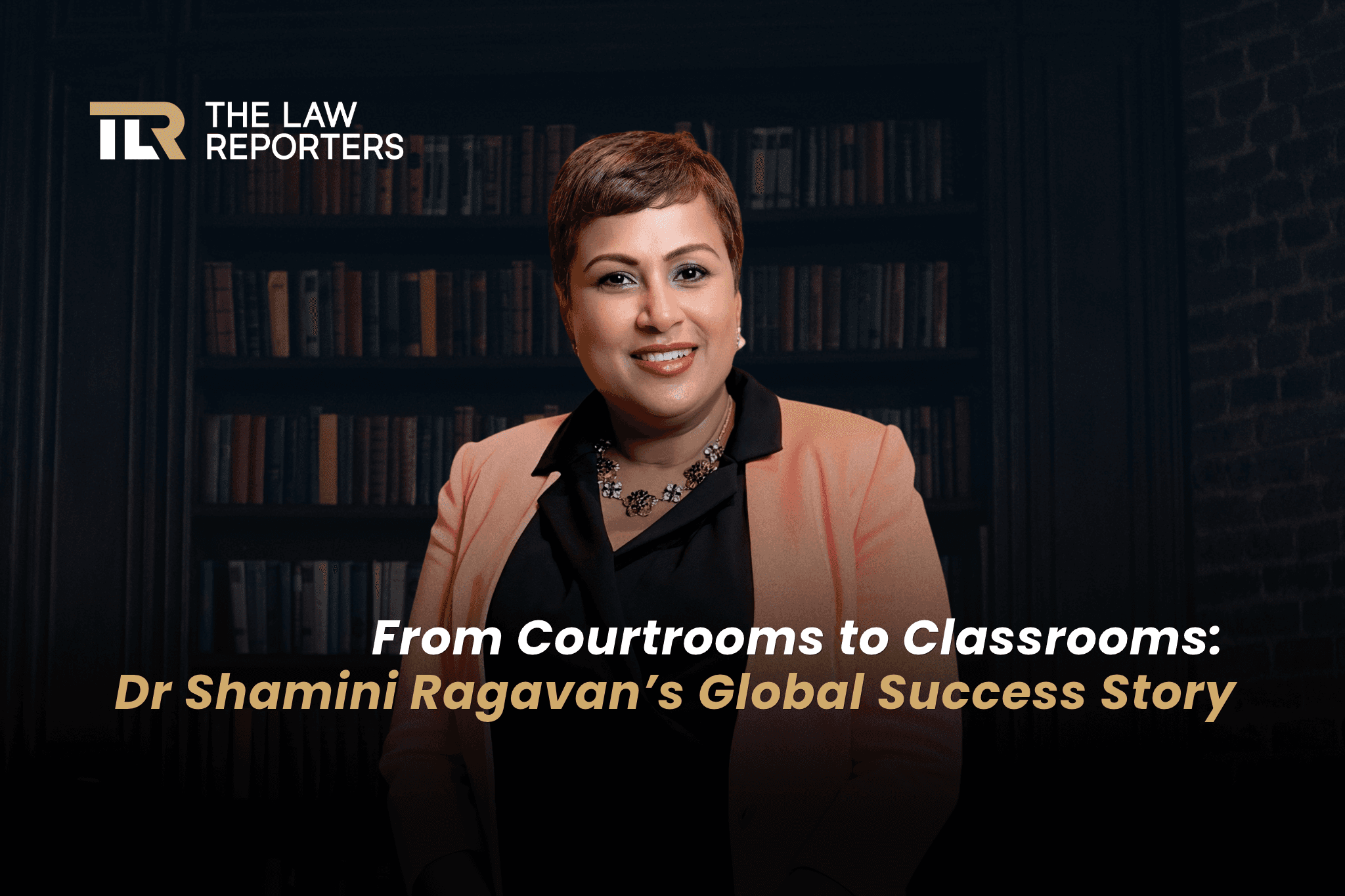
From Courtrooms to Classrooms: Dr Shamini Ragavan’s Global Success Story
From Malaysia to Dubai, her journey is defined by courage, adaptability and a commitment to empowering others.
Dr Shamini Ragavan's career is a story of ambition, courage and purpose. From practising law in Malaysia to qualifying in England and Wales and building an academic career across several countries, she has consistently embraced challenges that have taken her beyond familiar ground.
Today, she is an Associate Professor in Law at the University of Birmingham Dubai, where she brings together experience in legal practice, teaching, research, programme development and mentoring, an External Reviewer in the Abu Dhabi Department of Education and Knowledge, and also serves as the Legal Advisor for World Wound Union.
Her success, however, has not been defined simply by qualifications or titles. It has been built through demanding assignments, international moves, continuous learning and a determination to use her experience to help others succeed.
A Career Chosen With Purpose
Dr Ragavan says she began thinking about becoming a lawyer at the age of five. Her motivation was simple: she wanted to give a voice to people who were vulnerable.
She believed her courage and confidence could be channelled into a profession where both qualities would matter.
Her early years in Malaysian legal practice soon put that conviction to the test. She worked across criminal, personal injury, civil and commercial matters, spending much of her time in court and often using weekends to prepare for trials.
During only her second month of practice, a partner handed her a file at 4pm and told her she would appear before three judges at the court of appeal in Kuala Lumpur the following day.
She prepared, appeared before the judges and succeeded in the application.
That experience reflected a quality that would become a defining feature of her career: when an opportunity or challenge came her way, she was prepared to step forward, take responsibility and do the work required to succeed.
Nine Months That Became 14 Years
Dr Ragavan's move to the United Kingdom was initially intended to be brief. She received a scholarship to study International Trade Law at Newcastle University and planned to complete the programme in nine months before returning to Malaysia.
Instead, that decision opened the door to an entirely new professional chapter.
While completing her LL.M, she worked with three university departments, prepared for the Qualified Lawyers Transfer Test and completed her dissertation. Rather than waiting for a perfectly structured career path, she actively sought out opportunities.
Her initiative did not go unnoticed. A former head of Newcastle Law School described her as “very enterprising”, and she subsequently received an opportunity to establish a programme for international students.
The nine-month study plan ultimately became a 14-year chapter in the United Kingdom.
Turning Experience Into Impact
Having experienced first-hand the challenges of studying and developing a career in another country, Dr Ragavan recognised that international students often needed more than academic instruction.
At Newcastle Law School, she developed guidance and mentoring programmes for international students. The initiatives received best practice awards for the international students programme and mentoring programmes for international students, and were credited with improving pass rates and the quality of results, while reducing attrition to zero. This became another defining aspect of her career.
Rather than treating her international experience simply as a personal achievement, she transformed it into programmes designed to make the journey easier and more successful for others.
Her work subsequently expanded into research and teaching in areas including legal education, ethics, mentoring and evidence.
Building a Career Across Cultures
Dr Ragavan's professional journey has taken her across Malaysia, the United Kingdom, Qatar, Singapore and the UAE. Each move required her to understand a new culture, educational environment and professional landscape.
For her, adaptation does not mean abandoning one's identity. It means respecting the environment while finding ways to remain relevant and effective within it. That philosophy has strongly influenced her approach to teaching in Dubai.
Students may come from different jurisdictions and legal traditions, making it important for legal education to extend beyond theory or a single legal system. It must connect legal principles with practical experience, cultural understanding and the professional environment in which students will eventually work.
At the University of Birmingham Dubai, Dr Ragavan has contributed to law and foundation programmes, employability initiatives, internships and professional legal education. Her role allows her to draw on both sides of her career — the practical experience of a lawyer and the academic perspective of an educator.
Success Beyond Titles
Dr Ragavan's qualifications and academic positions are impressive, but she does not measure success through titles alone.
For her, the foundations of a successful legal career include critical thinking, communication, problem-solving and a strong professional identity.
What Truly Sets a Professional Apart
In a profession where qualifications can often look similar on paper, Dr Ragavan believes true distinction comes from what an individual brings beyond the degree.
For her, success is shaped by character, preparation, resilience, adaptability and the determination to keep learning. Qualifications may open doors, but it is the ability to apply knowledge with confidence, integrity and purpose that builds a lasting career.
That belief is closely connected to her approach to professional ethics. She sees the law not simply as a profession of rules and procedures, but as one that carries a responsibility towards people.
“You are a human being first before you become a lawyer.”
For Dr Ragavan, the statement captures an essential principle of professional life: expertise and authority should always be balanced by empathy, humility and an understanding of the impact one's decisions can have on others.
A Success Story Measured by Impact
Dr Ragavan's achievements can certainly be measured through the cases she handled, the countries she worked in, the qualifications she earned and the positions she secured.
But there is another measure of success that runs throughout her story: the people she has mentored, the programmes she has created and the opportunities she has helped make possible for others.
From a young girl who dreamed of becoming a lawyer to an international academic leader, her journey demonstrates what can happen when ambition is matched by preparation, courage and a willingness to embrace change.
Watch Dr Shamini Ragavan's Full Success Story
How did a nine-month study plan become a 14-year chapter in the United Kingdom? What did Dr Ragavan learn from appearing before three judges during her second month of practice? How did she build an international career while remaining committed to education, ethics and mentorship?
In the full episode of The Law Reporters Podcast, Dr Shamini Ragavan shares the decisions, challenges and lessons behind her remarkable journey, along with practical advice for students and young professionals.
Watch the full podcast to hear Dr Shamini Ragavan tell her success story in her own words.
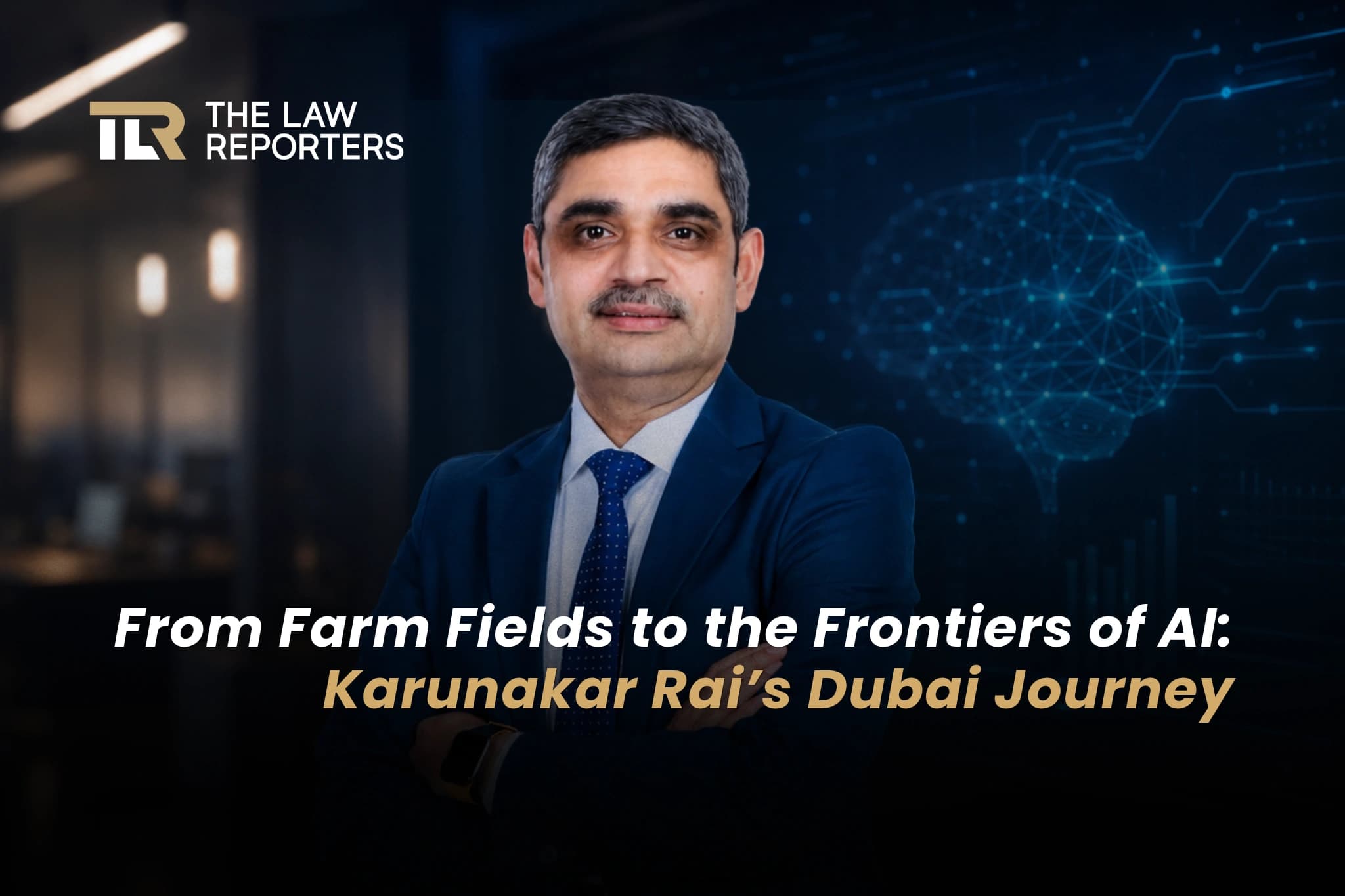
From Farm Fields to the Frontiers of AI: Karunakar Rai’s Dubai Journey
How a farmer’s son from Karnataka transformed three decades of information-management experience into a UAE tech venture.
Karunakar Rai’s journey to the world of Artificial Intelligence began far from the technology hubs where he works today. His professional life now revolves around AI, digital transformation, information governance and technologies designed to make organisations smarter. Yet some of the lessons that have shaped his career were learnt long before he encountered a computer screen. Those lessons were first learnt on a farm in rural Karnataka.
Born and raised in Balila, near Bellare in Karnataka’s Dakshina Kannada district, Rai grew up as the son of farmers. Life was simple, but it was also deeply rooted in discipline, patience and hard work. On a farm, there are no shortcuts to a harvest. What is planted must be nurtured, and results come only through consistency.
That philosophy would eventually travel with him from rural Karnataka to corporate boardrooms across India, Bahrain and Saudi Arabia — and ultimately to Dubai, where a nearly three-decade corporate career gave way to entrepreneurship.
Today, Rai is the Founder and Partner of AGS Athena Global Technologies LLC, a UAE-based technology company focused on AI, intelligent information management and digital transformation. His ambition is no longer simply to manage information for organisations, but to help them unlock its value, protect it and use it intelligently.
But Rai's story is not really about technology. It is about learning, reinvention and the courage to leave behind what is comfortable in order to build something new.
From a Karnataka Farm to an International Career
Rai's early years in Balila gave him more than memories of rural life. They gave him a personal operating system.
The values he absorbed growing up — discipline, resilience, patience and the understanding that meaningful results require sustained effort — would become important as his career developed.
Over nearly 30 years, he built expertise across records management, information governance and digital transformation, working across India, Bahrain and Saudi Arabia. His professional journey included organisations such as Iron Mountain, Crown Records Management, IL&FS and Tejoury, where he was involved in large-scale operations and worked with government and enterprise clients.
By the time he arrived in the UAE, Rai was no newcomer to business or technology.
But Dubai presented something different. In February 2024, Tejoury transferred him to Dubai to establish and expand its UAE operations. What began as another professional assignment soon became a turning point.
He encountered a country where digital transformation was not simply a corporate buzzword. It was visible in government services, business operations and the broader relationship between the public and private sectors. For someone who had spent decades working with information, the direction was clear.
The UAE was not merely adopting digital transformation. It was positioning itself among the places shaping its future. And Rai wanted to be part of that future.
The Decision to Trade Security for Possibility
After nearly three decades of corporate experience, Rai had achieved something many professionals spend their careers pursuing: a successful and established career with multinational organisations.
Entrepreneurship meant walking away from that comfort. Establishing Athena Global Technologies was therefore more than a business decision. It was a personal leap.
His objective was not to create another technology company simply for the sake of entering a growing market. He wanted to build an organisation capable of helping governments and enterprises use Artificial Intelligence responsibly, strengthen information governance, improve compliance and accelerate digital transformation.
The UAE, he says, gave him the confidence and ecosystem to turn that ambition into reality.
There was another important ingredient: people. Rai credits Mr Saeed Al Hebsi, whom he describes as a mentor, brother and business partner, with playing a crucial role in his transition from corporate executive to entrepreneur. Al Hebsi believed in Rai's vision even before Athena Global Technologies existed and encouraged him to take the step into business ownership.
For Rai, that support illustrates something larger about the UAE's business culture: the importance of relationships, trust and people believing in ideas before those ideas become businesses.
Learning that Technology Alone is Not Enough
Entrepreneurship also forced Rai to reconsider some of his own assumptions. At the beginning, he believed that experience and technical expertise would be enough to build a successful business.
Rai entered entrepreneurship with a strong foundation of technical expertise and almost three decades of industry experience. But building a business taught him that professional experience, by itself, was not enough.
He quickly realised that while technology can open the first door, it is trust that keeps it open. Relationships, consistency, reputation and the ability to deliver value over time are what turn an initial opportunity into a lasting partnership.
That realisation became an important part of how Rai approached the growth of Athena Global Technologies. Rather than viewing technology as an end in itself, he focused on understanding clients' needs, earning their confidence and building relationships that could grow with the business.
For a company entrusted with sensitive corporate information and digital transformation projects, that trust is particularly important. Athena's growth, therefore, has been built not only on what its technology can do, but also on the confidence customers place in the people behind it.
The company did not begin with significant external investment. Instead, it relied on experience, customer confidence and the belief that knowledge itself creates value. Successful projects were reinvested into the business, allowing the company to grow organically.
In Rai's words, the customers effectively became the company's biggest investors — not by putting capital into Athena, but by putting their trust in its capabilities.
And in an industry dealing with some of an organisation's most sensitive assets — its information and data — trust is arguably the most valuable currency of all.
From Scanning Documents to Transforming Information
Athena Global Technologies has evolved beyond traditional document digitisation. Its portfolio now spans AI-powered document management, intelligent data capture, records governance, ERP implementation, cybersecurity advisory, digital transformation and compliance solutions.
For Rai, that distinction is crucial. A document can be scanned and converted into a digital image. But that alone does not necessarily make an organisation more intelligent.
The real transformation begins when the information contained in those documents can be classified, indexed, searched, governed, protected and integrated into business processes.
One enterprise project illustrates the philosophy. The client had a substantial volume of physical records that needed to be digitised, classified, indexed and made searchable before being integrated into a structured digital environment. Athena combined high-volume digitisation with intelligent data capture and AI-enabled document management.
The result was not simply a warehouse of digital files. It was a more accessible information environment in which authorised users could find and use information more efficiently.
Rai captures the difference in a simple idea: scanning converts paper into a digital image; digital transformation converts the information inside that image into something an organisation can actually use.
For him, the number of pages scanned is therefore only part of the story. The bigger question is what an organisation can do with its information afterwards.
A Remarkable First Chapter
For a young UAE venture, Athena's early progress has been significant. Within its first year, the company says it has digitised more than 14 million images, implemented its AI-enabled Document Management System for four major organisations across sectors including corporate, insurance and construction, and expanded into AI, intelligent capture, information governance and enterprise technology solutions. It has also completed its first e-Invoicing project and developed strategic technology partnerships.
The company has grown to more than 50 professionals in the UAE and achieved ISO 9001:2015 and ISO/IEC 27001:2022 certifications, while broadening its capabilities across AI, intelligent capture, information governance, e-Invoicing, ERP, cybersecurity and digital transformation.
Yet Rai does not regard the numbers as the most meaningful measure of success. What matters more is what those numbers represent: customers willing to entrust a young UAE company with valuable information, employees building careers and supporting families, and a business contributing to the country's expanding knowledge economy.
For Rai, leadership is not simply about the number of people on a payroll. It is about how many people grow because of you.
Redefining What Success Means
That philosophy reflects how Rai's own definition of success has changed. Earlier in his career, success was measured in familiar corporate terms: promotions, higher salaries and greater responsibility. Today, those markers matter less.
Success, for him, means creating employment. It means helping organisations adopt technology responsibly. It means contributing to the UAE's ambitions in Artificial Intelligence and digital transformation. And ultimately, it means leaving behind something that creates a positive impact.
His advice to aspiring entrepreneurs arriving in the UAE is equally straightforward. Come with humility. Be prepared to learn. Come determined to create value. Do not concentrate on becoming successful, he says. Concentrate on becoming useful.
The distinction is significant. Dubai does not guarantee success. It provides opportunity. What an individual does with that opportunity still depends on hard work, integrity, resilience and continuous learning.
The Farmer's Son Who Never Stopped Learning
Perhaps the most revealing part of Rai's story is that he does not describe it primarily as a technology journey. He describes it as a journey of continuous learning.
The farmer's son from Balila went on to lead international operations, work across multiple markets and eventually build an AI-focused technology business in Dubai. The common thread was curiosity.
Technology will continue to evolve, he says. Learning should never stop. That philosophy also explains why his connection to farming remains strong. Even today, when he returns home, he enjoys spending time on the farm. It is a reminder that professional success does not erase one's beginnings. Instead, those beginnings often explain it.
Building From Dubai for the World
Rai's ambitions for Athena extend well beyond the company's early achievements. Over the next three to five years, he wants to establish Athena Global as a UAE-born technology company with regional and international reach. The company plans to become increasingly product-led, investing in AI-enabled Document Management and Intelligent Capture capabilities that can automatically classify information, extract data, search enterprise content, strengthen compliance and enable more intelligent interaction with documents.
The broader opportunity spans AI, data governance, cybersecurity, e-Invoicing, ERP, intelligent automation and enterprise digital transformation.
From Dubai, the objective is to expand into the GCC and selected international markets while continuing to invest in people and technology in the UAE.
Rai's ambition is particularly clear: he does not want Athena merely to participate in the AI revolution. He wants it to develop practical solutions in the UAE that address real business and compliance challenges. That ambition fits naturally with the environment that convinced him to make Dubai his home.
He sees data becoming one of the world's most valuable business assets. The organisations and nations that learn to govern, protect and use data responsibly, he believes, will be the ones that lead the future.
For Rai, Dubai's significance goes beyond being a smart city. He sees it as a place where AI, cybersecurity, compliance and innovation can converge to create a trusted digital economy.
From Dubai to the World
There is a line running quietly through Rai's entire story. From a farm in Balila to multinational corporate environments. From managing records to managing information ecosystems. From executive life to entrepreneurship. From arriving in Dubai with professional experience but no company of his own to building a UAE-born technology venture with international ambitions. At every stage, the next chapter began with learning.
Athena Global Technologies is now entering its next phase, with Rai looking beyond the company's early milestones towards regional and global expansion.
In many ways, Rai’s journey has remained connected to where it began. Growing up as a farmer’s son taught him that success is never instant; it is built patiently, through hard work, resilience and consistent effort. Those early lessons have stayed with him — from his corporate career to his decision to build Athena Global Technologies in Dubai.
Decades later, in one of the world's fastest-moving technology hubs, he is applying those same principles to a very different kind of cultivation — building a company, developing people and creating technology designed to carry information into the future.
“We started Athena in Dubai because we believed this was the right place to build the future,” Rai says. “Our ambition now is to create technology from the UAE that can travel to the rest of the world.”
Rakesh Kumar SV is the Director of strategic and Alliance ventures at The Law Reporters
For enquiries or further information, contact ask@tlr.ae or call +971 52 644 3004. Follow The Law Reporters on WhatsApp Channels.
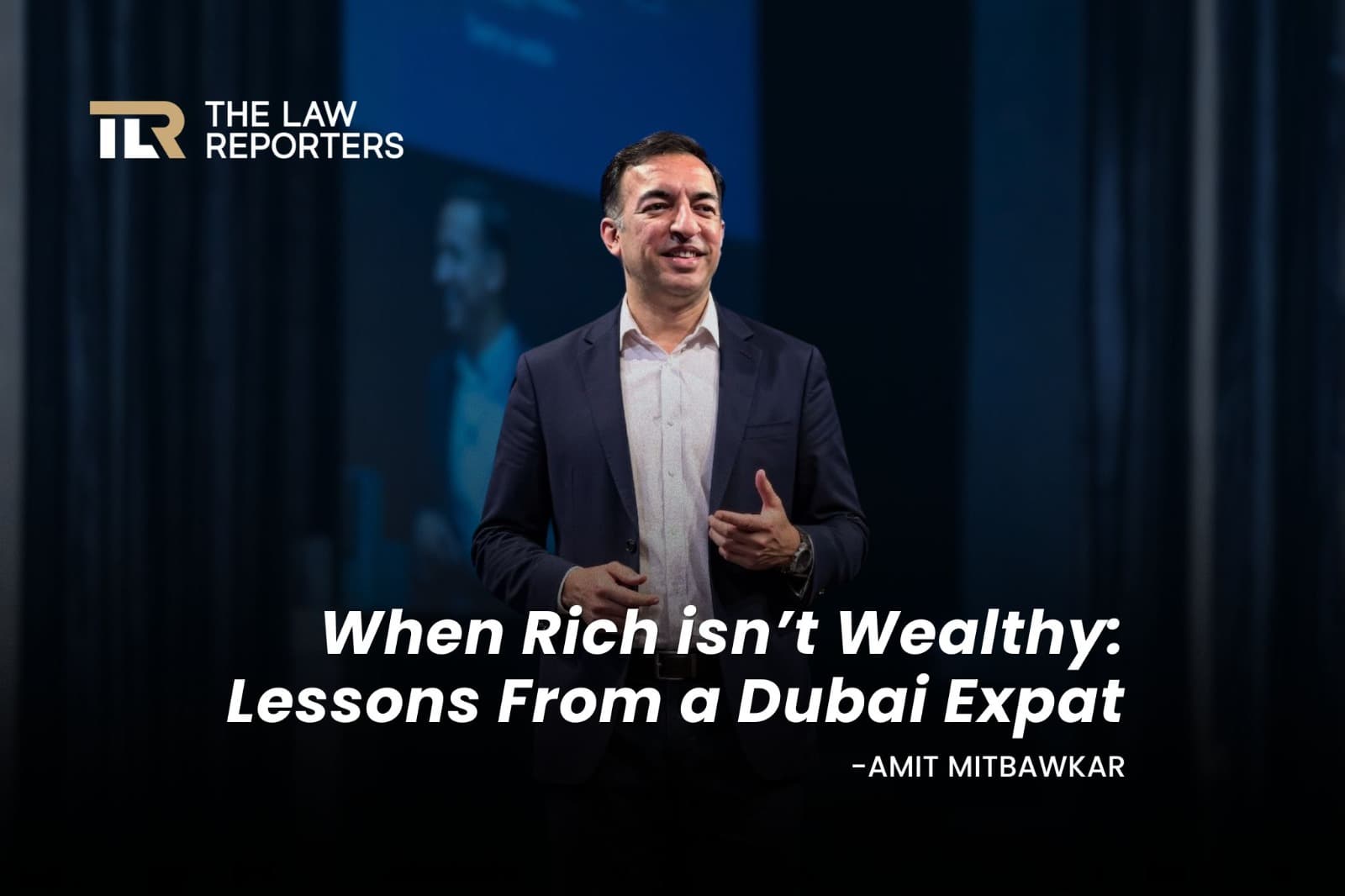
When Rich Isn’t Wealthy: Lessons From a Dubai Expat
Over a decade after chasing salary in Dubai, Amit Mitbawkar left the corporate ladder to become the financial adviser he once needed himself.
When Amit Mitbawkar arrived in Dubai from India in 1997, he wanted what most people moving abroad want: a better life, more money, and a clear sign that he had succeeded. He took a basic job, mainly to pay for an MBA in finance at the University of Wollongong Dubai. Then he did what many expats did — he moved from job to job, each one paying more than the last.
By his own account, it worked. Over about twenty years, his income grew ten times over. Based on salary alone, he had done what he set out to do.
But he says one paperback made him question whether salary was the right way to measure success at all.
A Book and an Uncomfortable Calculation
Mitbawkar says he read Robert Kiyosaki's well-known finance book, Rich Dad, Poor Dad, and then did something simple: he checked how long his savings would last if his salary suddenly stopped. He says the answer was short enough to worry him.
The problem, he says, wasn't that he hadn't earned enough. It was that his spending had grown alongside his income — a bigger salary paying for a bigger flat, a better car, and better schools, while his actual financial position stayed about the same. He describes this as being "rich" in terms of cash coming in each month, but not truly "wealthy," since his whole lifestyle depended on that next paycheck arriving on time.
This kind of story — realising that a good salary isn't the same as financial security — is common in personal-finance writing, and Mitbawkar's version follows a similar pattern. What sets his story apart is what he says he did next.
From Client to Adviser
In 2011, instead of just finding a better financial adviser, Mitbawkar says he joined the firm that was already managing his own money, so he could learn the business from the inside. He completed the Chartered Institute for Securities & Investment's qualifications up to Level 3, along with a Chartered Insurance Institute qualification in the UK. In 2012, he wrote his own book, Creating, Preserving, Distributing Wealth, which he says was as much about organising his own learning as it was a book for others.
He also says he began investing his own money to test what he was learning, and that this included some losses. It's worth noting that admitting to losses is somewhat unusual — most professional stories tend to focus on success rather than setbacks — though whether this reflects genuine openness or is simply meant to make him seem more relatable is hard to say from the outside.
He later became a member of the Million Dollar Round Table, an industry group whose membership is based on how much an adviser sells, not on an independent check of client results — a useful distinction to keep in mind when this membership is mentioned as a credential. His comments have since appeared in regional news outlets including Gulf News, Khaleej Times, The National and Zawya.
The Current Business
Mitbawkar runs his practice from an office at Meydan Grandstand in Nad Al Sheba, and says it mainly serves directors, general managers, chief executives and senior professionals across Dubai — people he describes as "too busy earning to manage what they earn."
More recently, he has moved into business financing through a company called WealthBullet International. It's a licensed financing consultancy that says it connects UAE businesses with the right lenders — covering term loans, invoice discounting, revenue-based finance, and Sharia-compliant options — instead of business owners sending the same application to many banks at once, which can hurt their credit record. The firm says it gives an answer within 48 hours, even if that answer is no, and presents this as faster than the usual, often slower bank process.
These are the firm's own claims about how it works and how fast it responds. This article has not independently checked them against outside data or client feedback.
A Comparison That Isn't His
The original material behind this profile also compares Mitbawkar's 48-hour promise to "Dubai-it," a phrase linked to Dubai's ruling family and government efforts around speed and delivery, including an award launched in June 2026 by Crown Prince Sheikh Hamdan bin Mohammed bin Rashid Al Maktoum. It's important to be clear here: this comparison is not something Mitbawkar has said about himself. In fact, the original material says plainly that he "claims no part" of the government programme. Linking his business to "Dubai-it" appears to be a choice made by the original writer — connecting a private company's customer service policy to a government campaign to make it sound more significant than it was on its own. Readers should treat this as the writer's own framing, not as proof of any real link between Mitbawkar's firm and the initiative.
The Sales Pitch That Isn't One
Mitbawkar's own website opens by giving potential clients three reasons they might not want to work with him: he can't make anyone rich quickly, he has little interest in clients who won't save money, and he won't help people looking for shortcuts. This is a common approach in the financial-advice industry — presenting caution and pickiness as proof of trustworthiness.