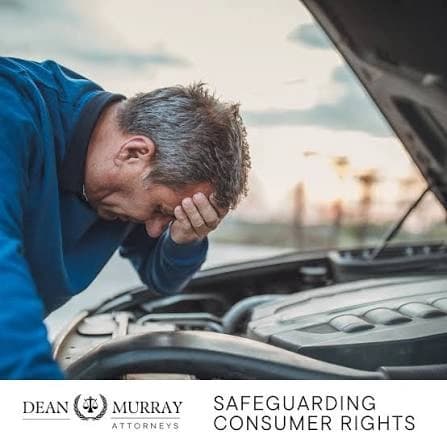
Bought a Faulty Second-hand Car in the UAE? Here’s What the Latest Consumer Protection Law Says About Your Rights
The UAE’s updated consumer law gives buyers of used vehicles stronger legal protection and the right to seek compensation.
 Staff WriterJul 2, 2026, 12:47 PM
Buying a second-hand car can often be seen as a practical and affordable alternative to purchasing a brand-new vehicle. But what happens when the vehicle turns out to have serious defects that were not disclosed at the time of sale? Under the UAE’s updated consumer protection framework, buyers of used vehicles are not left without remedies.
The UAE’s consumer protection law has widened its scope in recent years, making it increasingly clear that second-hand vehicle transactions — particularly those involving licensed used-car dealers — can fall under its protection. This is especially relevant in cases where a seller may have concealed major defects, misrepresented the condition of the vehicle, or engaged in misleading sales practices.
The legal basis stems from Federal Law No. 15 of 2020 on Consumer Protection, as amended by Federal Decree Law No. 5 of 2023. Article 3 of the law makes it clear that its provisions apply to all goods and services supplied within the UAE through suppliers, commercial agents, and dealers. Importantly, the law does not exclude second-hand goods from its scope. This means used vehicles sold by registered dealers may be treated as consumer goods under the law.
This legal coverage becomes significant when a buyer discovers faults after purchase and suspects the defects were known to the seller but intentionally withheld. In such situations, the seller’s obligations under the law become central.
One of the most important duties imposed on sellers is the obligation to provide accurate information about the product being sold. Article 17 of the Consumer Protection Law prohibits suppliers, advertisers and commercial agents from describing goods or services with false data or through misleading advertisements.
This protection is strengthened by Cabinet Decision No. 66 of 2023, which serves as the executive regulation of the law. Under Article 8 of the regulation, any description or advertisement of a product is considered deceptive if it creates a false or misleading impression about the product’s nature, composition, quality, source, condition, warranty, or expected results from its use.
In the case of used cars, this means dealers cannot advertise a vehicle as being in excellent condition if it has significant engine issues, accident damage, or mechanical faults that are known to them. They are also required to disclose the true state of the vehicle clearly.
Article 7 of the same regulation specifically deals with used, refurbished or defective goods. It requires suppliers to clearly display the condition of such goods both on the product and at the place of business. The condition must also be clearly reflected in the sales contract or invoice. The law aims to ensure that buyers are fully aware of what they are purchasing and that there is no room for deception.
This provision is particularly important in the used-car market, where disputes often arise over whether a defect was pre-existing or developed after the sale. If the condition of the vehicle was not properly disclosed or documented, the seller may face legal consequences.
Warranty obligations also play a crucial role. If a dealer provides a warranty for a specified period, the warranty must comply with the detailed requirements laid down in Articles 12 and 13 of Cabinet Decision No. 66 of 2023. These provisions regulate what the warranty should contain and how the supplier must honour it.
If a defect appears during the warranty period and the seller fails to repair it or refuses responsibility, the buyer may have grounds for a formal complaint or legal action.
Beyond repair or replacement, UAE law also gives consumers the right to seek compensation. Article 24(1) of the Consumer Protection Law allows consumers to claim compensation for material or personal damage resulting from defective goods. Any agreement attempting to waive this right is considered legally invalid.
Consumers who believe they have been misled or sold a defective used vehicle can file complaints with the Ministry of Economy or the competent consumer protection authority in the relevant emirate. These authorities are empowered to investigate complaints and take action against suppliers who violate the law.
The consequences for sellers can be substantial. Under Addendum No. 2 of Cabinet Decision No. 66 of 2023, suppliers offering defective used or refurbished products without proper disclosure can face financial penalties of up to Dh100,000.
For buyers, the law sends a clear message: purchasing a second-hand vehicle does not mean giving up consumer rights. Dealers are legally required to disclose defects, honour warranties, and avoid misleading practices. Where they fail to do so, consumers have the right to seek redress, compensation, and regulatory intervention.
For any enquiries or information, contact ask@tlr.ae or call us on +971 52 644 3004. Follow The Law Reporters on WhatsApp Channels.