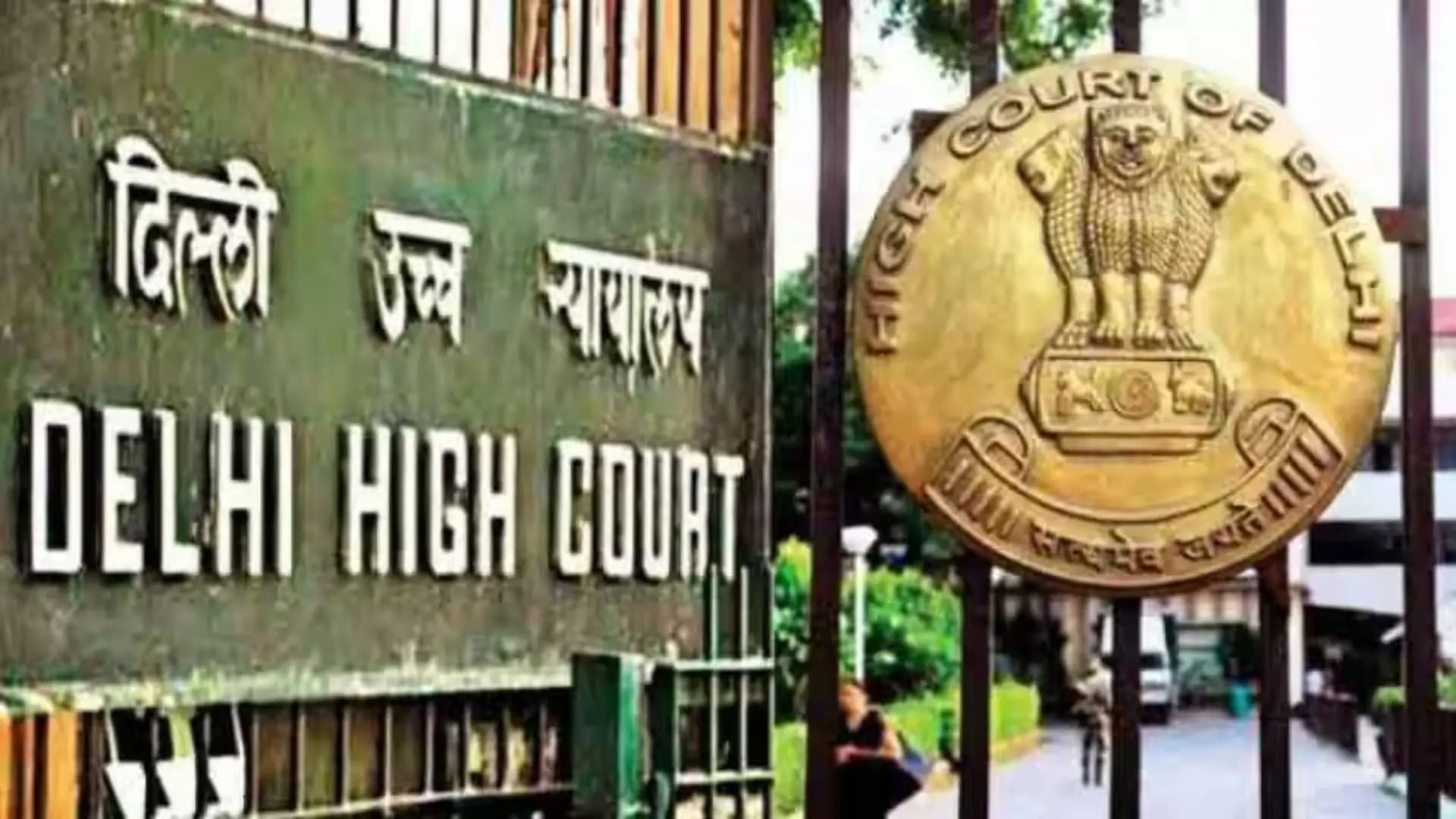
Delhi HC Bars Courts From Forcing Lawyers to Reveal Document Sources
Court rules that compelling advocates to disclose the origin of documents filed on behalf of clients would violate Section 126 of the Indian Evidence Act.
 Staff WriterJan 13, 2026, 8:14 AM
The Delhi High Court recently reaffirmed the principle of attorney-client privilege, holding that courts cannot compel lawyers representing a party to reveal the source of documents filed on their client’s behalf.
Justice Neena Bansal Krishna observed that issuing such a direction would contravene Section 126 of the Indian Evidence Act, 1872 (IEA), which protects confidential communications between a lawyer and their client.
The Court emphasised that the primary responsibility for documents lies with the party submitting them. When a client provides documents to their lawyer for legal representation, the act of handing over the materials, as well as information about their origin, is covered by professional confidentiality.
“To compel an advocate to disclose that ‘Client X gave me this document’ is to compel disclosure of a source, which is expressly protected under Section 126 of the Indian Evidence Act. Documents filed by counsel are at the behest of the client, for and on their behalf,” the Court explained.
While courts can seek the truth, Justice Krishna clarified, they cannot force a lawyer to disclose what the law explicitly shields. The proviso to Section 126, she noted, only applies when there is prima facie evidence suggesting that the communication itself was intended for an illegal purpose.
The High Court issued these observations while setting aside a sessions court order that had directed lawyers representing McDonald’s to disclose how certain documents came into their possession. The lower court had asked the lawyers to file affidavits detailing the date, time, and source of applications from 2011 relied upon during revision proceedings, following allegations that the documents were illegally obtained or improperly placed on record.
After reviewing the matter, the Delhi High Court quashed the order, reinforcing the protection of confidential lawyer-client communications in India.
For any enquiries or information, contact ask@tlr.ae or call us on +971 52 644 3004. Follow The Law Reporters on WhatsApp Channels.