US Appeals Court Divided Over Sean ‘Diddy’ Combs’ Bid to Overturn Sentence
Judges weigh whether acquitted conduct was wrongly considered in four-year prison term for prostitution-related convictions.
 Staff WriterApr 10, 2026, 11:27 AM
US appeals court appeared divided over a bid by Sean “Diddy” Combs to overturn his prison sentence on prostitution-related charges, in a case raising novel legal questions about how judges may treat conduct for which a defendant has been acquitted when determining punishment.
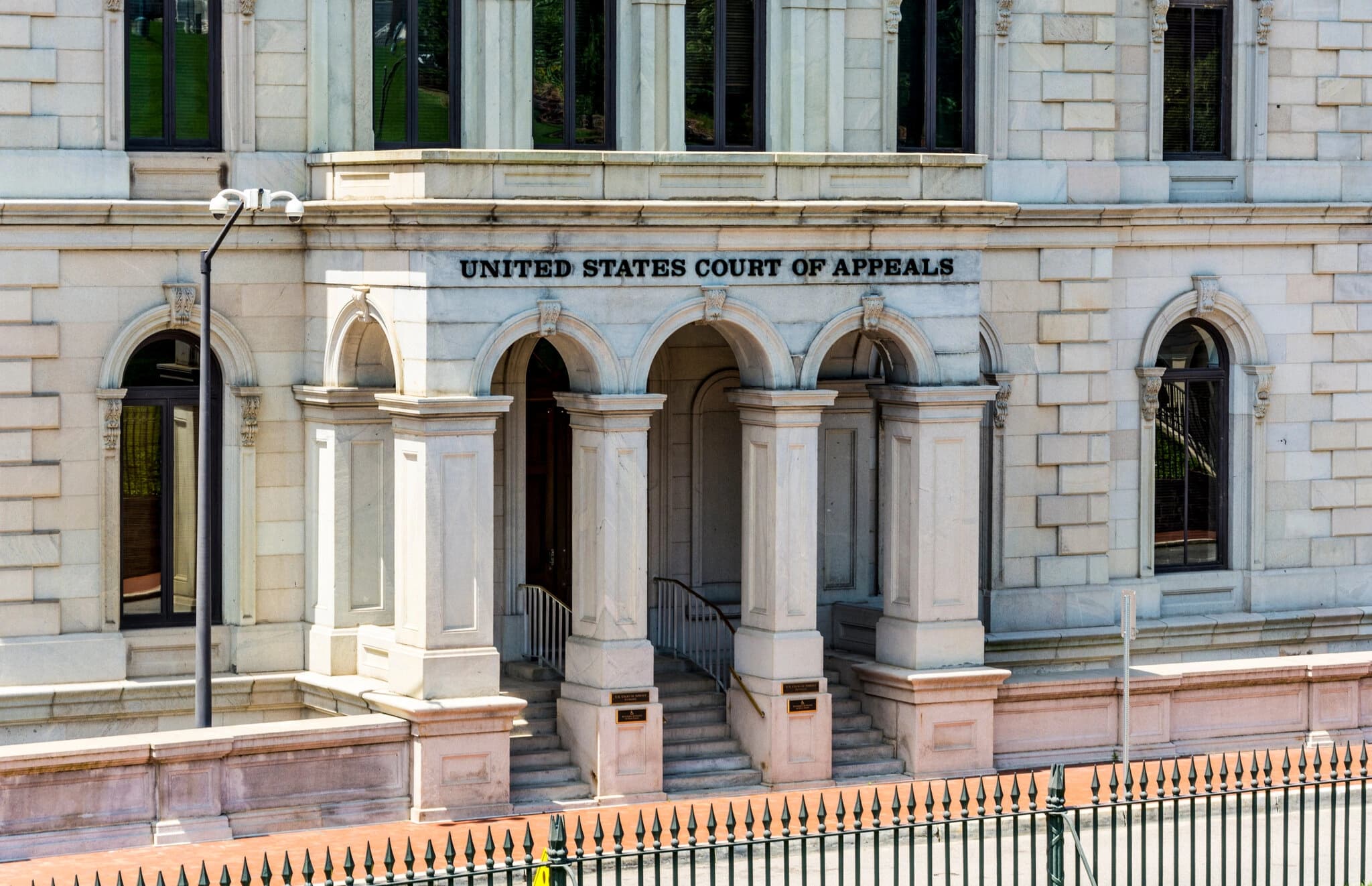
A three-judge panel of the Manhattan-based 2nd US Circuit Court of Appeals heard arguments in Combs’ request to overturn his 2025 conviction and the four years and two months’ sentence imposed by US District Judge Arun Subramanian.
The arguments focused on the defence claim that Judge Subramanian improperly considered evidence that Combs had threatened former girlfriends when deciding the sentence last October.
Combs, 56, was found guilty by a jury last July on two counts of transportation to engage in prostitution. The verdict followed a seven-week trial in Manhattan federal court centred on drug-fuelled, days-long sexual performances, sometimes called “Freak Offs”, involving two former girlfriends of the hip-hop mogul and male sex workers.
However, jurors acquitted the Bad Boy Records founder on more serious sex trafficking and racketeering charges related to allegations that he forced the two former girlfriends — rhythm and blues singer Casandra Ventura and a woman identified in court only as Jane — to take part in the encounters while he watched, masturbated and sometimes filmed them.
Combs, who is currently serving his sentence at a low-security federal prison in Fort Dix, New Jersey, was not present at the hearing.
Defence lawyer Alexandra Shapiro argued that Judge Subramanian should not have considered allegations that Combs threatened to release an explicit video of Ventura and threatened to cut off rent payments for Jane when determining the sentence, as those claims related to charges rejected by the jury.
“The jury did not authorize punishment for sex trafficking or racketeering conspiracy,” Shapiro said.
Prosecutor Christy Slavik countered that the judge was entitled to consider the threats as they were relevant to the prostitution-related counts as well.
“Judge Subramanian properly considered the aggravated manner in which the defendant carried out his Mann Act offences,” Slavik said, referring to the statute criminalising transportation across state lines for the purposes of prostitution.
Judge M. Miller Baker, a member of the appellate panel, appeared sympathetic to the defence arguments, noting that prosecutors did not emphasise the Mann Act charges during the trial.
“It was just a sideshow,” Baker said.
“Why shouldn’t we hold you to what you argued to the jury?” he asked Slavik.
Judges William Nardini and Sarah Merriam, the other members of the panel, appeared more sceptical of the defence arguments but also pressed the prosecution with detailed questions.
Nardini said the case raised issues that have not yet been addressed by any US appeals court.
“This is an exceptionally difficult case,” he said.
Combs has acknowledged abusing his former girlfriends but has maintained that incidents of what he described as domestic violence were separate from the sexual performances at issue, which he says were consensual.
He is currently due to be released from prison on 15 April 2028, according to Bureau of Prisons records.
For any enquiries or information, contact ask@tlr.ae or call us on +971 52 644 3004. Follow The Law Reporters on WhatsApp Channels.