How Real Estate Contracts are Enforced in Sharjah: Key Legal Protections for Landlords, Tenants and Investors
Sharjah's evolving legal framework offers stronger protections for landlords, tenants and investors, with clear pathways.

Sharjah’s real estate sector has emerged as one of the UAE’s most dynamic and fast-growing markets, driven by rising residential demand, commercial development, and strategic investment opportunities.
As property transactions continue to increase, ensuring contractual compliance has become critical for landlords, tenants, and investors alike. Delays, disputes, or contractual breaches can create significant financial and legal challenges, making it essential for parties to understand both their rights and the judicial mechanisms available to enforce them.
This article provides a practical overview of Sharjah’s real estate enforcement framework, guiding readers through the legal requirements, remedies, and procedural pathways available from contract formation to dispute resolution before the courts and the Rental Disputes Centre (RDC).
Legal Framework and Key Protections
The enforcement of real estate contracts in Sharjah is governed by both federal and emirate-level legislation.
At the federal level, the Civil Transactions Law (Federal Law No. 5 of 1985) regulates contractual obligations across the UAE. For a contract to be valid, it must have a lawful subject matter, a valid cause, competent parties, and mutual consent. Article 246 requires contracts to be performed in good faith, promoting fairness and integrity in contractual dealings. Unlike common law jurisdictions, UAE law presumes the existence of a valid cause and does not require consideration, thereby simplifying enforcement while maintaining legal certainty.
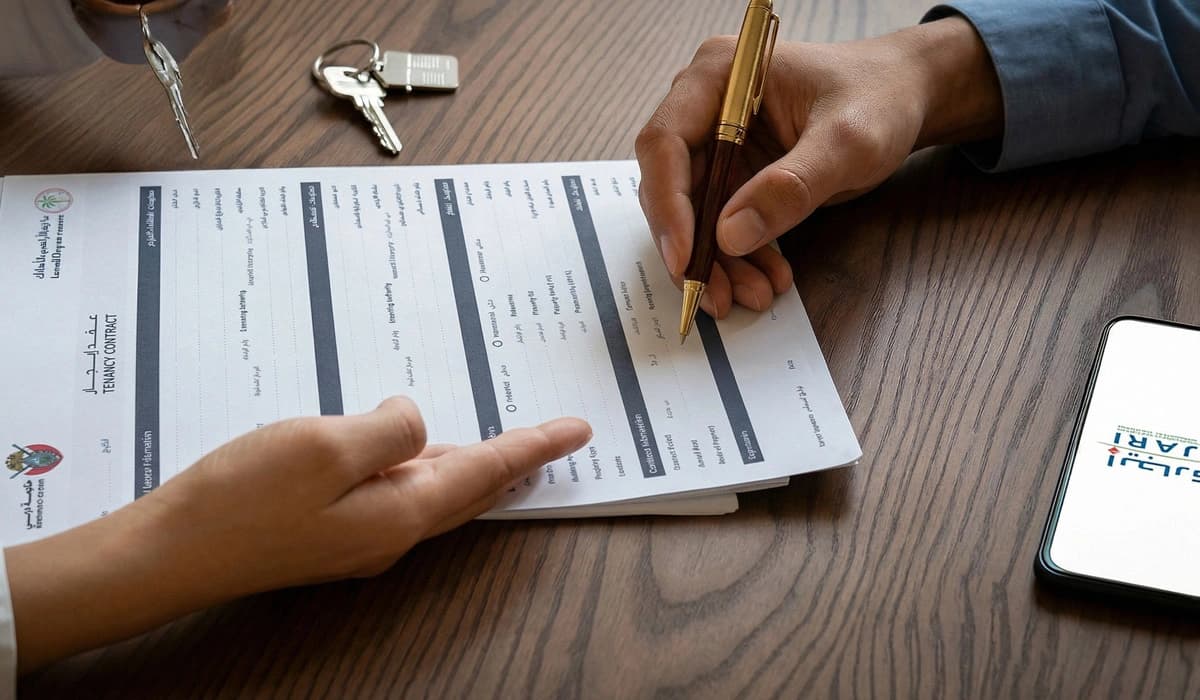
At the emirate level, Sharjah Law No. 5 of 2024 on Property Leasing represents a significant reform. The law governs residential, commercial, industrial, and professional leases and requires tenancy contracts to be certified by Sharjah Municipality within 15 days. Certified contracts are enforceable before the RDC, while failure to register may expose landlords to administrative penalties.
The law also introduces minimum protection periods for tenants. Residential tenants are protected for three years, while commercial and industrial tenants enjoy protection for five years, except in cases involving statutory grounds such as non-payment of rent, unauthorised subletting, unlawful use of the property, or bona fide personal use by the landlord following proper notice. Early termination by tenants is permitted only in exceptional circumstances, with compensation typically set at 30 per cent of the remaining rent unless otherwise agreed by the parties.
Complementing this framework, Sharjah Law No. 6 of 2024 formally established the RDC as a specialised judicial body with exclusive jurisdiction over tenancy disputes. In addition, Executive Council Resolution No. 37 of 2024 regulates project registration, developer escrow accounts, and financial transparency, strengthening investor protection and promoting orderly market practices.
Court Jurisdiction and Dispute Resolution
Real estate disputes in Sharjah are resolved either through the ordinary courts or the specialised RDC, depending on the nature of the claim.
The ordinary courts, comprising the Court of First Instance, Court of Appeal, and Court of Cassation, hear civil and commercial disputes, including breaches of sale and purchase agreements, off-plan property disputes, construction-related claims, mortgage disputes, and compensation actions.
The RDC has exclusive jurisdiction over landlord-tenant disputes, including eviction proceedings, rent recovery claims, lease renewals, contract terminations, and the enforcement of tenancy obligations. By centralising tenancy-related matters, the RDC promotes efficient dispute resolution through judges and administrative staff with specialised expertise in real estate law. Identifying the correct forum is essential to preserving procedural rights and securing enforceable outcomes.
Judicial Remedies: Protecting Real Estate Interests
Sharjah law provides several remedies to enforce real estate contracts and safeguard the rights of contracting parties.
Specific Performance
Courts may order parties to fulfil their contractual obligations, including transferring ownership, handing over possession, or completing registration formalities. Where specific performance is impossible, courts may award monetary compensation to ensure that legal rights are adequately protected.
Judicial Termination
In cases involving a material breach of contract, courts may terminate the agreement under Article 272 of the Civil Code. Before seeking termination, the aggrieved party must generally serve a formal notice, allowing the defaulting party an opportunity to remedy the breach. Depending on the circumstances, the court may grant additional time for compliance, award compensation, or terminate the contract and restore the parties to their pre-contractual positions.
Compensation and Eviction
Parties may claim damages for actual and proven losses resulting from a contractual breach. While penalty clauses are generally recognised under UAE law, courts retain the authority to adjust them to reflect the actual loss suffered. Eviction orders may be granted where statutory grounds exist, including non-payment of rent or unauthorised use of the property, and may be enforced through the relevant execution authorities.
Together, these remedies enable landlords, tenants, and investors to enforce their rights effectively and ensure that contractual obligations are respected.
Practical Challenges and Best Practices
The enforcement of real estate contracts in Sharjah may be affected by several practical challenges, including:
- Ambiguously drafted contracts
- Failure to comply with certification requirements
- Lengthy litigation in complex disputes
- Translation requirements for documents prepared in foreign languages
To minimise these risks, parties should:
- Engage professional legal drafting services
- Certify tenancy agreements within the mandatory 15-day period
- Maintain accurate records of payments and correspondence
- Conduct comprehensive due diligence before signing agreements
- Include clear dispute resolution and termination provisions
- Serve formal notices promptly under Article 272 to preserve termination rights
Conclusion
The enforcement of real estate contracts in Sharjah combines established federal legal principles with recent emirate-level reforms, including Laws No. 5 and 6 of 2024 and Executive Council Resolution No. 37 of 2024. Together, these measures introduce stronger tenant protections, clearer enforcement mechanisms, and a dedicated Rental Disputes Centre to handle tenancy-related claims.
For landlords, tenants, and investors, understanding certification requirements, statutory protection periods, eviction grounds, and procedural obligations is essential to managing contractual risk effectively. Armed with this knowledge, real estate stakeholders can navigate disputes more efficiently and safeguard their interests in Sharjah’s evolving property market.
For any enquiries or information, contact ask@tlr.ae or call us on +971 52 644 3004. Follow The Law Reporters on WhatsApp Channels.