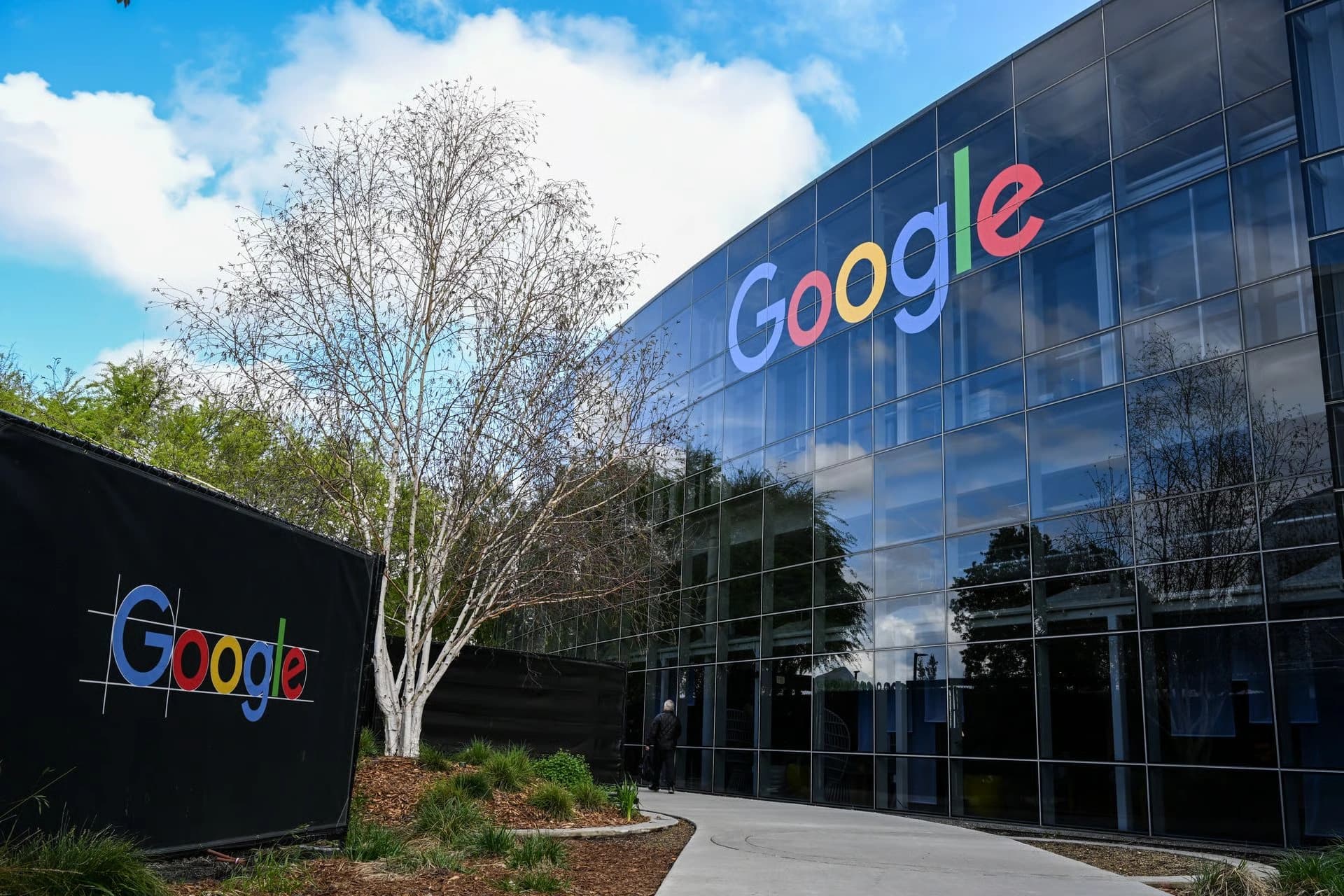
Google Escapes Ad Tech Breakup in 3rd Big Tech Antitrust Loss for US
Judge rejects govt’s bid to force Google to sell AdX exchange after finding the firm suppressed competition.
 Staff WriterSep 3, 2026, 10:31 AM
Google escaped a breakup of its advertising technology business on Wednesday, marking the third time in recent years that US antitrust enforcers have sought to force a Big Tech company to sell assets and lost.
US Judge Leonie Brinkema in Alexandria, Virginia, declined to order Google to sell AdX, its advertising exchange, where publishers pay Google a 20% fee to sell ads in auctions that take place almost instantly when users load websites. The Department of Justice had argued that Google could not be trusted to operate the online advertising exchange after Brinkema ruled that the company had illegally suppressed competition.
The judge instead accepted behavioural remedies. She will release a detailed ruling in 14 days to allow time for confidential information to be redacted. Google had proposed measures including providing competitors with real-time access to bidding information.
The ruling has raised questions about whether courts are equipped to rein in the unprecedented power of the technology industry over the US economy, and about the future of an antitrust crackdown that began during President Donald Trump’s first term.
Cases against Amazon and Apple involving online retail and smartphone markets have not yet gone to trial. Meanwhile, although two judges have found Google engaged in anticompetitive conduct in separate markets, they have rejected the strongest remedy of forcing the company to sell assets.
AdX represents a relatively small part of Google’s business. Google shares pared their gains slightly after the ruling and were up 0.6%.
Google welcomed the court decision.
“We’re very pleased the Court rejected the DOJ’s proposal to break apart tools that help small businesses reach new customers and grow,” said Google executive Lee-Anne Mulholland.
The DOJ said it was “pleased that the court ordered substantial relief” in a social media post on X.
“We are one step closer to restoring competition and bringing relief for the American people in online advertising markets. The Department is evaluating appropriate next steps,” the DOJ said.
Google Argued Divestiture Would Hurt Customers
The DOJ and a broad coalition of states sued Google in 2023 over its dominance in advertising technology markets used by online publishers and websites.
In April 2025, Brinkema ruled that Google held illegal monopolies in servers that host publisher ads and in ad exchanges that sit between buyers and sellers. The judge found that Google had unlawfully locked publishers using its ad server into using AdX.
The company’s anticompetitive conduct had “substantially harmed Google’s publisher customers, the competitive process, and, ultimately, consumers of information on the open web”, Brinkema said at the time.
At a trial last year on remedies in the case, the DOJ argued that Google could not be trusted to operate AdX given its past conduct.
Google argued that a forced sale would be technically difficult and result in a long and painful transition that would hurt customers. The company also sought to demonstrate that the DOJ’s demand differed from its own previous offer to sell AdX to end an EU antitrust investigation, as Reuters reported in 2024.
Ad Manager accounted for 4.1% of Google’s overall revenue and 1.5% of operating profit in 2020, according to Wedbush research and an analysis of court documents. More recent figures were redacted from court documents.
While Google has been ordered to change some of its business practices, the ruling marks the third consecutive occasion on which a judge has rejected a bid by US antitrust enforcers to break up a major technology company.
Sacha Haworth, executive director of the Tech Oversight Project, said the rulings “prove that the courts alone will not save us from Big Tech”. The advocacy group has proposed legislation aimed at restoring competition in digital advertising.
A federal judge in Washington last year rejected the Federal Trade Commission’s attempt to force Meta Platforms to sell Instagram and WhatsApp, saying the agency had failed to prove that Meta held a monopoly in a social media landscape that had changed drastically since the case was brought in 2020. The FTC has appealed.
Likewise, another judge in Washington, who previously ruled that Google held an illegal monopoly in online search, rejected the DOJ’s bid to force the company to sell its Chrome browser, citing rising competition from generative artificial intelligence companies such as OpenAI’s ChatGPT.
For enquiries or further information, contact ask@tlr.ae or call +971 52 644 3004. Follow The Law Reporters on WhatsApp Channels.