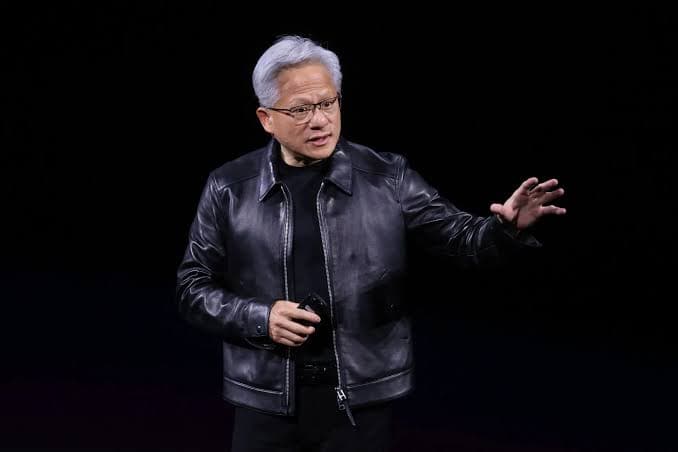

The return of Jensen Huang to the helm of Nvidia has reignited a debate over sexual misconduct, corporate accountability and the growing influence of powerful executives who appear increasingly difficult to hold responsible for their actions.
Huang's reinstatement comes despite reports of an extramarital affair with a woman suspected of being a Chinese spy and relationships with at least two female subordinates, including Kimberly Powell, head of Nvidia's healthcare division. He had acknowledged violating the company's code of conduct, which cautions employees against personal relationships that could create conflicts of interest.
The controversy has taken on wider significance following Nvidia's decision to restore Huang to the chief executive position after a pressure campaign involving influential technology figures and US President Donald Trump. The company's board voted unanimously to bring him back, citing assurances from the US government that he did not represent a national security concern. However, its announcement did not address the sexual misconduct allegations that had surrounded his departure.
The decision has raised questions about whether the commercial importance of a corporate leader can outweigh the standards of conduct expected of other employees.
The #MeToo Standard Faces a New Test
A Bloomberg Law report, Jensen Huang's Return Strains #MeToo Rules in Corporate America, examines how the decision challenges established corporate practices.
For much of the past decade, the #MeToo movement forced companies to confront the power imbalance inherent in relationships between senior executives and their subordinates. Corporate leaders who concealed such relationships from boards or breached workplace policies frequently faced disciplinary action, including dismissal.
Huang's return has prompted questions about whether those standards are being applied consistently.
The issue goes beyond whether a relationship was consensual. When one person controls another's career prospects, compensation, professional opportunities or workplace standing, questions of influence and potential coercion cannot easily be separated from the relationship itself.
The Bloomberg Law report highlights the significance of executives failing to disclose relationships with subordinates to company boards, a breach that has historically ended the careers of powerful business leaders. Huang's reinstatement suggests that the consequences may be different when the executive is considered indispensable to the business.
The Economics of Executive Privilege
The commercial arguments surrounding Huang's return have added another dimension to the controversy.
Nvidia's position at the centre of the artificial intelligence industry has made its chief executive an exceptionally influential figure. Supporters of his reinstatement argued that his technological vision, industry relationships and ability to secure major business opportunities were essential to the company's future.
Thousands of current and former employees reportedly supported his return. Nvidia shares surged 31.5 per after his reinstatement, although they subsequently fell.
The market reaction illustrates the extraordinary value investors attach to Huang's leadership. It also raises a difficult question for corporate governance: when a company's fortunes become closely associated with one individual, can its board exercise independent oversight without being influenced by commercial considerations?
The Associated Press report also draws attention to the wider culture of technology companies, where celebrated founders and executives can acquire almost unquestionable status. Critics argue that the glorification of business and technological success can create an environment in which misconduct is overlooked or excused.
Trump's Intervention Adds to the Controversy
Trump's involvement has intensified the debate. The US President publicly suggested that the controversy could improve Huang's reputation, remarking during a CNBC interview that "sex sells, fellas". He also posted a doctored image depicting Huang holding a red bra in a celebratory pose.
The remarks drew criticism from women's rights advocates, who argued that treating allegations involving workplace power relationships as entertainment risks normalising the misuse of authority.
The intervention also attracted bipartisan criticism, particularly because of the President's role in securing the return of a corporate executive whose conduct had become the subject of serious scrutiny.
Will Employees Still Feel Safe Speaking Out?
One of the most significant concerns surrounding the decision is its potential effect on employees who experience sexual harassment or misconduct in the workplace.
Women account for only 21 per cent of Nvidia's global workforce, with an even smaller proportion represented in management and leadership positions, according to the company's latest sustainability report.
Although Nvidia's code of conduct requires employees to report suspected violations and provides assurances against retaliation, critics question whether such protections carry sufficient weight when the person involved occupies the highest position in the organisation.
The National Women's Law Center has warned that Huang's triumphant return could discourage victims from coming forward. At the same time, advocates argue that the legacy of #MeToo continues to encourage employees to report misconduct and challenge workplace power imbalances.
The controversy also comes amid other high-profile cases involving allegations of sexual misconduct by prominent public figures, reinforcing concerns about whether accountability is being applied consistently.
For corporate America, the implications extend beyond Nvidia. Boards must demonstrate that workplace policies apply equally to executives and employees, irrespective of an individual's financial contribution, public standing or political connections.
Huang's return has placed that principle under renewed scrutiny. The question is no longer simply whether a celebrated chief executive can make a comeback after a corporate scandal. It is whether the standards introduced in the wake of #MeToo still apply when the individual involved is considered too important to lose.
For enquiries or further information, contact ask@tlr.ae or call +971 52 644 3004. Follow The Law Reporters on WhatsApp Channels.