Kuwait Begins 3rd Phase of Legal Overhaul, Plans 150 New Laws by 2027
Justice ministry to review 400 statutes as reforms target criminal justice, family law and business regulations.
 Staff WriterJul 2, 2026, 12:55 PM
Kuwait has launched the third phase of its National Plan to Modernise the Legislative System, a major legal reform drive that will review 400 existing laws and introduce around 150 new ones by December 2027.
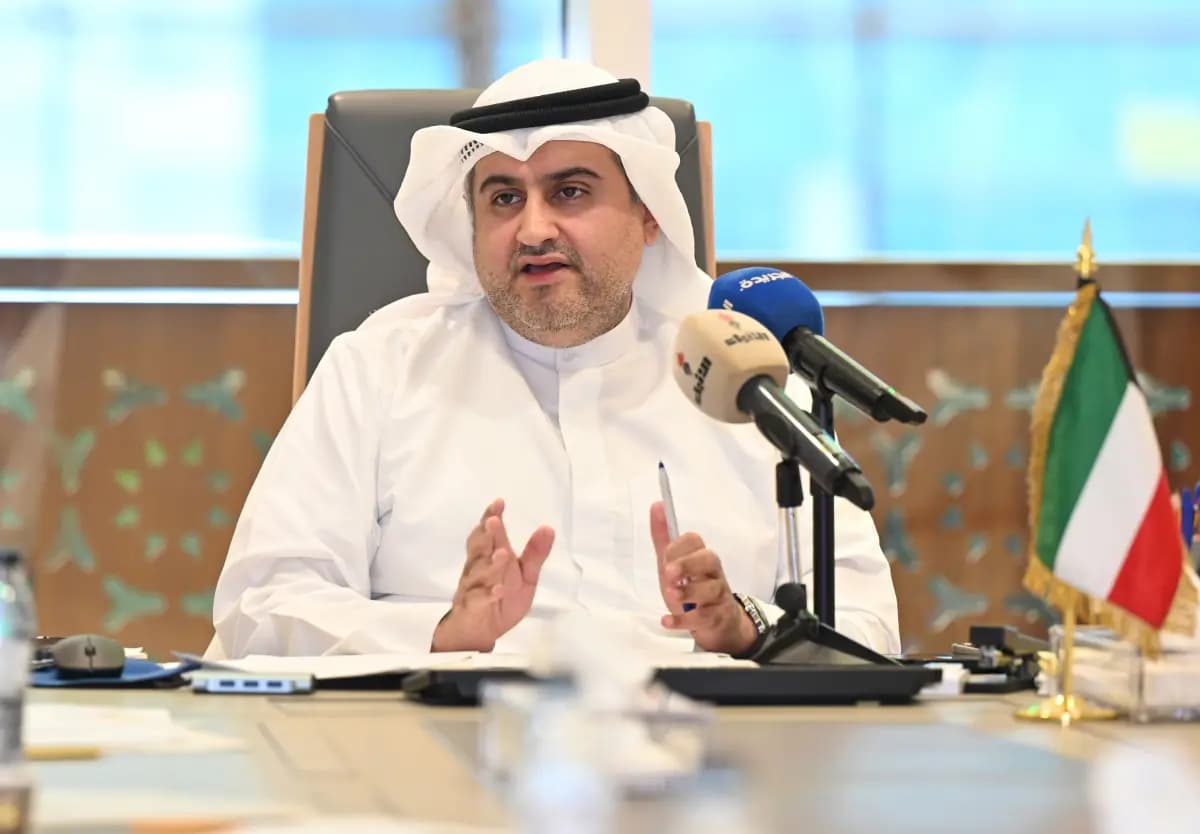
Announcing the move, Minister of Justice Counsellor Nasser Al-Sumait said the latest phase aims to raise the completion rate of Kuwait’s legislative modernisation to nearly 40 per cent of the country’s total legal framework.
Speaking at a press conference, Al-Sumait said the third phase marks a significant step as it goes beyond piecemeal amendments and focuses on revising major laws that directly affect daily life, economic activity and the efficiency of the justice system.
He said the reforms are designed to strengthen family protection, improve the stability of transactions, enhance the business environment and boost the performance of state institutions, alongside improving legal and judicial services.
The announcement follows the completion of the second phase of the programme, which covered 250 laws and accounted for around 25 per cent of Kuwait’s legislative framework. That phase introduced 24 new laws, amended 56 others and repealed nine, in addition to finalising 161 laws, decrees and approvals linked to international agreements and memoranda of understanding — six months ahead of schedule.
Al-Sumait said the second phase was made possible through coordination between the judiciary, Public Prosecution, Fatwa and Legislation Department, Kuwait University’s Faculty of Law, the Kuwait Lawyers Association and civil society organisations.
The third phase will prioritise legislation with direct economic, criminal and social impact. Key areas under review include the Penal Code, Criminal Procedures Law, Personal Status Law, Family Court Law and legislation related to child and family protection.
He said reforms to criminal justice will focus on alternative sentencing, reconciliation mechanisms and faster procedures while preserving fair trial guarantees. Family-related laws will also remain central, with the Child Law — currently under development — expected to undergo major revisions to address legal gaps and strengthen protections for children.
On the economic front, the reforms will cover the Real Estate Registration Law, Labour Law in the private sector, Commercial Arbitration Law, Economic Courts Law and Insurance Law, along with amendments to Civil Code provisions governing public auctions.
Al-Sumait said the Commercial Arbitration Law is expected to ease pressure on courts by allowing companies to resolve disputes more quickly.
He also revealed that amendments to the Penal Code, which has remained largely unchanged for over 60 years, are expected to be finalised next week.
The minister said the reforms aim to address long-running disputes caused by legislative gaps, improve legal efficiency and reduce the burden on courts.
On judicial performance, Al-Sumait said the total number of cases before Kuwaiti courts fell by 21 per cent in the second half of 2025 compared with the same period in 2024, dropping from about 534,000 to 423,000.
Cases before the Court of Cassation fell by 45 per cent, from about 12,000 to 7,000, while criminal cases before the Court of First Instance dropped by 27 per cent, from 286,000 to 208,000.
He also highlighted a 27 per cent decline in partial appeals in civil and commercial cases, falling from 6,000 to 4,000, which he attributed to legislative changes raising the appeal threshold from KD1,000 to KD2,000.
Performance orders in civil and commercial matters also dropped by 40 per cent, from around 56,000 to 34,000 cases, after procedural amendments made such orders optional rather than mandatory, while retaining a separate expedited framework for commercial instruments.
For any enquiries or information, contact ask@tlr.ae or call us on +971 52 644 3004. Follow The Law Reporters on WhatsApp Channels.