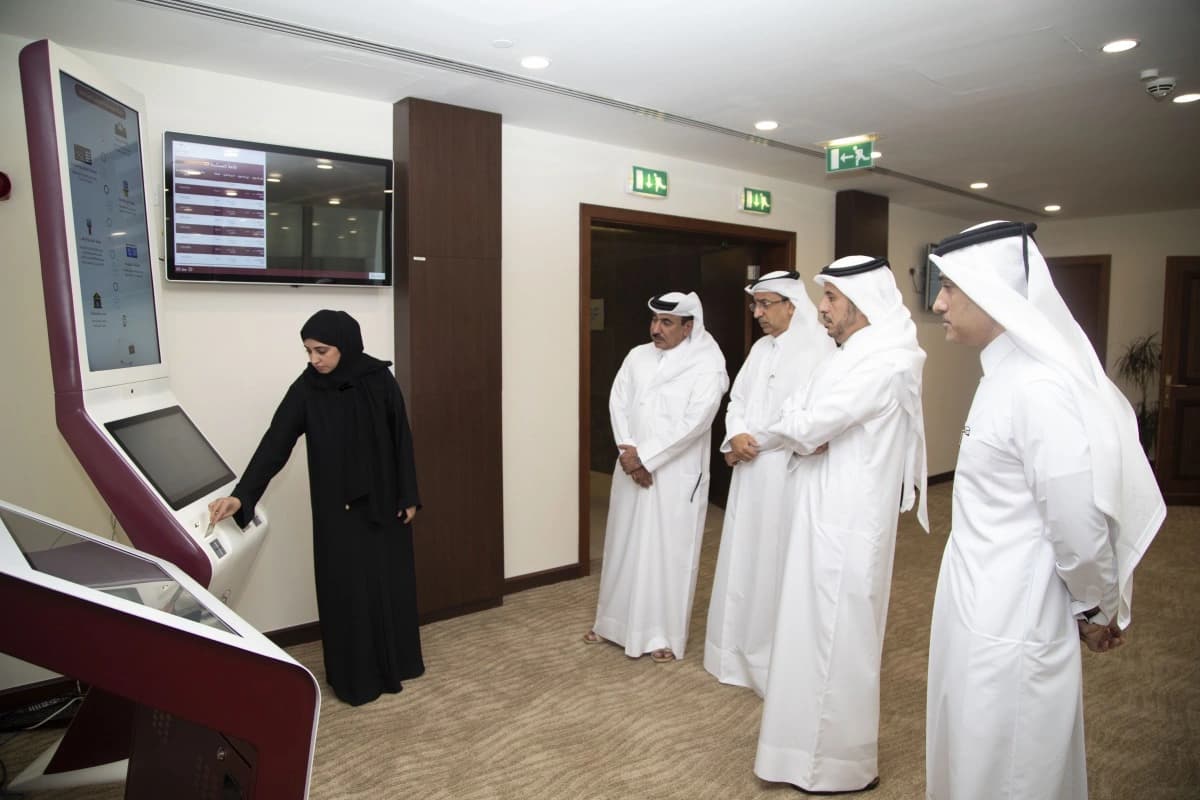
Faster Justice: Qatar’s Digital Courts Cut Average Case Duration to 38 Days
Over 70 online services and robust cybersecurity measures are reshaping Qatar’s judicial system under its Vision 2030.
 Staff WriterJul 1, 2026, 11:44 AM
Qatar’s judicial digital transformation is rapidly reshaping access to justice, with the average litigation period now reduced to just 38 days and electronic judicial services expanding across multiple platforms.
According to Judge Nasser Mohammed Al Hajri, Senior Judge at Qatar’s Investment and Commerce Court, the country’s move towards digitised judicial services has significantly improved efficiency, accessibility and data security.
Speaking on Qatar Television, Judge Al Hajri said the digital shift forms part of the Justice Systems Development Initiative, introduced to align the judicial sector with the goals of Qatar National Vision 2030.
He said the initiative’s digital transformation strategy aims to automate judicial procedures, establish a fully integrated digital judicial ecosystem, shorten litigation timelines, optimise judicial resources, reduce paper use and strengthen electronic integration with other government entities.
Judge Al Hajri said the Supreme Judiciary Council of Qatar has achieved substantial progress since introducing electronic judicial services. The average duration of court cases has fallen to 38 days, with 94 per cent of cases now concluded within three months. He added that the courts have also achieved an annual case resolution rate of 98 per cent.
The Council currently offers more than 70 electronic services through its judicial portal, along with 35 additional services via its smart mobile application. These services, he said, support Qatar National Vision 2030 by promoting innovation in judicial administration, building a technologically skilled workforce and improving institutional efficiency.
Judge Al Hajri explained that digital access now covers every stage of litigation, from filing a lawsuit to obtaining final judgments.
Electronic services include case registration, submission of requests, issuance of judicial orders and decisions, payment of court fees and expert deposits, as well as case registration and inquiry services through WhatsApp.
He said the expanded digital framework has eased access to justice by reducing the need for litigants to physically visit courts, streamlining internal judicial procedures and allowing users to access services at any time.
On the use of artificial intelligence, Judge Al Hajri said the Supreme Judiciary Council has started deploying AI tools within strict legal boundaries. These technologies are being used to analyse quantitative data, review judicial precedents and assist with administrative work before and after judgments. AI is also being utilised in support services through virtual assistants and chatbot systems.
He stressed, however, that judicial independence remains non-negotiable, with the authority to issue judicial decisions resting solely with judges. Artificial intelligence, he said, remains a support mechanism and cannot replace judicial reasoning or discretion.
Addressing cybersecurity and confidentiality, Judge Al Hajri said safeguarding judicial data has remained a key priority since the launch of the initiative.
He said the Council operates on locally hosted electronic systems and servers based within Qatar to ensure full data sovereignty and prevent unauthorised external access. Additional safeguards include encrypted judicial communications, data anonymisation, identity protection technologies such as voice and image masking, and a governance framework overseeing all electronic judicial systems.
Judge Al Hajri added that the digital litigation platform is regularly upgraded to counter emerging cyber threats and protect sensitive judicial information.
Reaffirming the Council’s long-term commitment, he said Qatar will continue enhancing judicial services and adopting advanced technologies to simplify litigation while preserving the independence, integrity, confidentiality and security of its justice system.
For any enquiries or information, contact ask@tlr.ae or call us on +971 52 644 3004. Follow The Law Reporters on WhatsApp Channels.