India SC to Probe claim of AI-created Citations in Major Insolvency Dispute
Allegation triggers stern warning from Bench, which says the appellant will face consequences if the case laws in his rejoinder are proven to be AI-hallucinated.
 Staff WriterNov 29, 2025, 1:04 PM
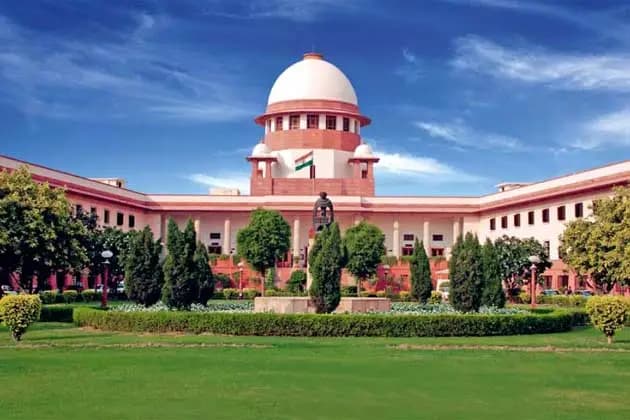
The Supreme Court of India said it will examine an allegation that a rejoinder filed by a promoter of Gstaad Hotels Bengaluru contained more than 100 fabricated or AI-generated case law citations in the matter Deepak Raheja v. Omkara Asset Reconstruction.
The issue was raised by Senior Advocate Neeraj Kishan Kaul during a hearing linked to insolvency proceedings against the hotel group. Appearing for Omkara Assets Reconstruction Pvt Ltd, Kaul submitted that numerous authorities cited by promoter Deepak Raheja “do not exist,” and that several judgments relied upon appeared to be fictitious, including criminal law decisions presented as IBC precedents. He added that some cases were inaccurately summarised, repeatedly used across propositions, or based on incorrect facts.
A Bench of Justices Dipankar Datta and Augustine George Masih took serious note of the concerns and orally observed that the appellant would be “put to task” if the citations in the rejoinder were shown to be imaginary or AI-generated. The matter will be taken up again on December 8.
The dispute stems from insolvency petitions admitted by the NCLT Mumbai on July 8, following a 2017 financing package from Piramal Finance that included a ₹450 crore term loan and a ₹50 crore revolving facility for Gstaad Hotels, and a ₹100 crore term loan for Neo Capricorn Plaza. Both companies later availed additional credit under the Union government’s ECLGS scheme.
Piramal subsequently assigned the debt to Omkara ARC, which issued recall notices in February 2023 seeking ₹666.53 crore from Gstaad Hotels and ₹119.99 crore from Neo Capricorn.
Before the NCLAT, Raheja and another suspended director claimed there was no default as of November 15, 2022, citing issues with withdrawals from the retention account, undisbursed DSRA funds, and the profitability of the hotel assets. They also argued that an earlier remand order should have prevented adverse findings.
The NCLAT dismissed these arguments, confirming that the NCLT had, in its fresh consideration of the case, properly examined the Cash Management Agreement, DSRA arrangements, ECLGS utilisation and bank statements. It concluded that a clear default had occurred and noted a ₹743.71 crore one-time settlement proposal from the promoters as reflecting acknowledged liability.
This verdict was subsequently challenged before the Supreme Court, where the allegation of fictitious citations has now come under judicial scrutiny.
For any enquiries or information, contact ask@tlr.ae or call us on +971 52 644 3004. Follow The Law Reporters on WhatsApp Channels.