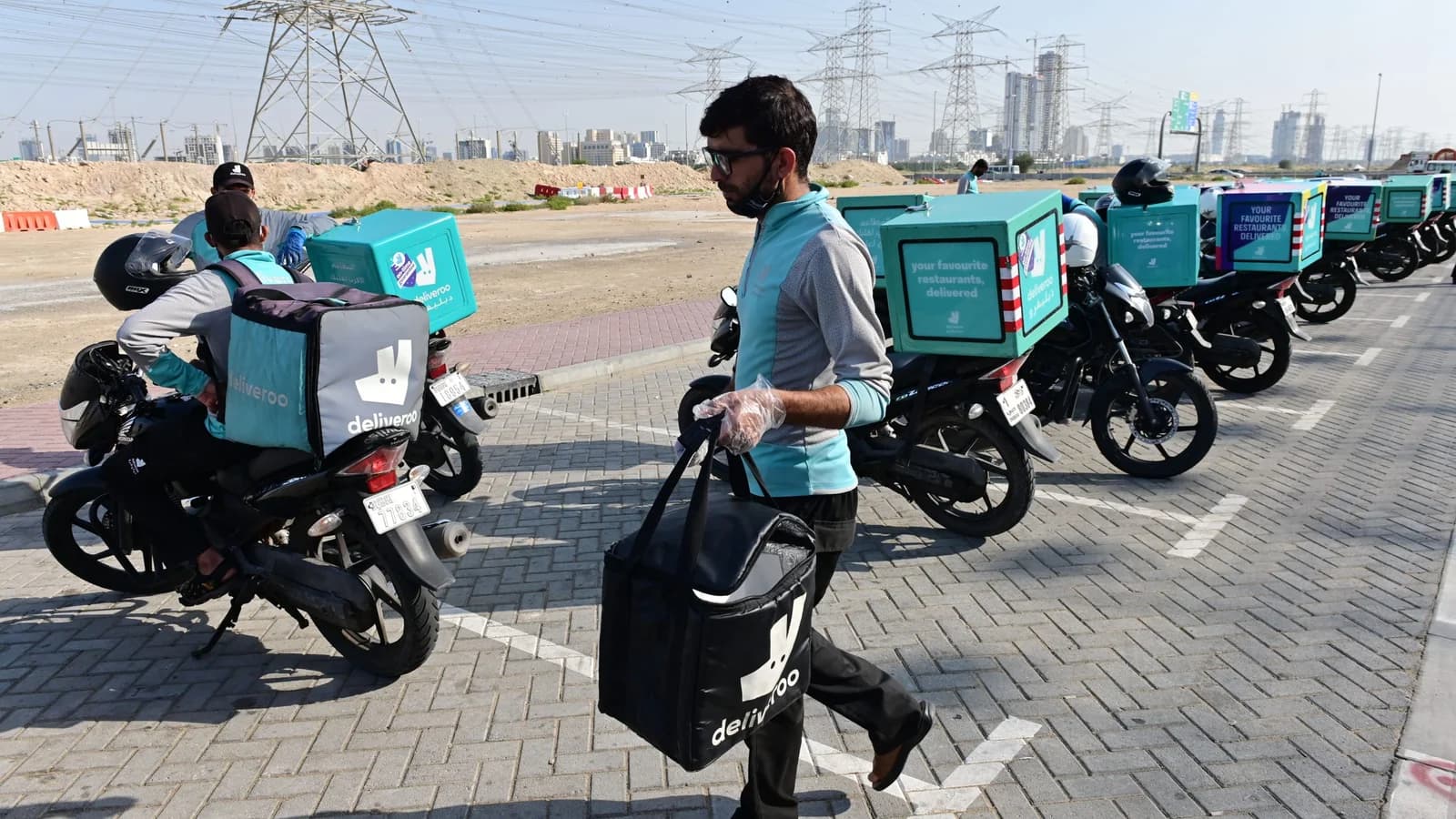

Online food delivery platforms have become an integral part of the restaurant industry in the UAE, offering businesses greater exposure, promotional opportunities and access to delivery services. However, the growing use of exclusivity agreements has raised concerns about maintaining fair competition and ensuring that restaurants remain free to establish commercial relationships with other platforms.
The UAE has responded to these concerns by introducing Ministerial Decision No. 32 of 2026 concerning the Block Exemption of Exclusive Dealing Agreements in the Market for Food Promotion and Delivery Services through Digital Platforms. Under the Decision, exclusive agreements between restaurants and online food delivery platforms may qualify for an exemption, subject to certain conditions.
The new framework has implications for both restaurants and online food delivery platforms.
Conditional Competition Exemption
The principal legislation governing anti-competitive agreements in the UAE is Federal Decree-Law No. 36 of 2023 Regulating Competition. Article 11 allows certain agreements to be exempted from specified competition restrictions through a Ministerial Decision.
Ministerial Decision No. 32 of 2026 grants exclusive agreements between restaurants and online food delivery platforms an exemption from Articles 5, 6 and 7 of the Competition Law.
It is important to understand that this exemption is conditional. It does not give platforms unrestricted authority to require restaurants to enter into exclusivity agreements. An arrangement will qualify only if it satisfies the conditions set out in the Decision, and the exemption is available for a limited period.
Voluntary Agreement
Under Article 3, exclusive arrangements must be entered into voluntarily. Restaurants cannot be forced into such agreements or subjected to penalties or retaliatory measures for choosing to work with competing delivery platforms.
This is an important safeguard, particularly because restaurants may depend heavily on a single platform for orders and revenue. Such dependence can create an imbalance in negotiations, especially for smaller establishments.
Exclusivity agreements may offer restaurants reduced commission rates and additional marketing support. These incentives are not prohibited, provided the prescribed conditions are met. However, imposing penalties, withdrawing services or taking retaliatory action against a restaurant for working with competitors could raise compliance concerns.
Platforms should therefore ensure that exclusivity arrangements are based on genuine commercial negotiations rather than pressure or coercion.
Duration and Number of Exclusivity Agreements
The Decision places limits on both the duration of exclusivity agreements and the number of restaurants that can be covered by them. Under Article 3(B), an exclusivity obligation cannot extend beyond 12 months from the date the Decision came into force. Article 3(C) also limits the number of restaurants that a platform can contract exclusively to 10% of its total listed merchants.
The purpose is to prevent larger platforms from securing an excessive number of exclusive restaurant arrangements, which could make it more difficult for competing services to attract merchants.
For example, a platform with 5,000 listed merchants can have no more than 500 restaurants under exclusive agreements. Platforms must therefore keep their merchant lists up to date and periodically check the proportion of restaurants covered by exclusivity arrangements.
Restaurants should also examine the duration of their agreements to ensure that their contractual commitments remain within the permitted period.
Ensuring New Delivery Platforms Have Opportunities
The Decision also seeks to give emerging platforms a fair opportunity to enter the market and establish relationships with restaurants. Under Article 3(D), an exclusivity agreement must not prevent a restaurant from entering into arrangements with emerging digital platforms and qualifying small and medium-sized enterprises (SMEs).
This provision addresses a challenge faced by new delivery businesses seeking to build a merchant base in a market where established platforms already have extensive restaurant networks. Without such protection, newer operators could find it difficult to attract restaurants and compete effectively.
A restaurant that has an exclusivity agreement with an established platform can still enter into arrangements with qualifying emerging platforms. This protection should be reflected in contractual provisions so that existing exclusivity obligations do not undermine the access guaranteed under the Decision.
Discounts on Commissions
Exclusive delivery agreements often involve reduced commission rates, marketing support and other financial incentives. Such benefits are not prohibited, but platforms must be able to demonstrate the commercial justification for offering them.
Under Article 3(E), a platform offering reduced commission rates during an exclusivity period must be able to demonstrate either substantial operational cost savings directly resulting from exclusivity or tangible additional value generated by the arrangement. This evidence must be provided when requested by the Ministry of Economy and Tourism or the relevant authority.
The supporting information must be capable of verification and audit. A platform offering discounted rates in return for exclusivity should therefore maintain records demonstrating the operational savings or additional value generated through the arrangement.
Supporting Claims of Efficiency Improvements
General statements about improved operational efficiency may not be sufficient to justify reduced commission rates. Platforms should have supporting records to substantiate such claims, including financial calculations, operational data and relevant contractual documents.
Maintaining these records will help demonstrate that the commercial benefits offered in return for exclusivity have a verifiable basis.
Contractual Penalties, Automatic Renewal and Restrictions After Exclusivity
The Decision also protects restaurants from restrictions that could prevent them from working with competing platforms after an exclusivity period ends. Article 3(F) prohibits contractual provisions that prevent restaurants from joining competing digital platforms after the permitted exclusivity period has expired.
Restaurants should review any clauses that seek to restrict their commercial relationships with other platforms beyond the agreed exclusivity period. Contractual obligations should not be used to extend the practical effects of exclusivity beyond the period permitted under the Decision.
Automatic renewal clauses also require attention. An agreement cannot automatically retain the benefit of the exemption simply because the original exclusivity arrangement qualified for it. Under Article 5, the exemption remains valid for only 12 months from the date the Decision came into force. Any extension would require a further Ministerial Decision.
As the Decision came into force on February 11, 2026, the exemption is due to expire in February 2027, unless a further decision is issued. Restaurants and platforms should review their agreements well in advance to identify provisions that may need to be amended or renegotiated.
Failure to comply with the prescribed conditions could result in regulatory action, including administrative penalties or referral to the competent court, as provided for under Article 4.
What Restaurants and Delivery Platforms Should Check
Ministerial Decision No. 32 of 2026 requires businesses to take greater care when drafting, negotiating and managing exclusivity agreements. Restaurants should ensure that their agreements are voluntary, that they retain access to the emerging platforms protected under the Decision, and that clauses dealing with termination and renewal do not extend exclusivity beyond the permitted period.
Delivery platforms should review their merchant agreements and ensure that they do not exceed the 10% ceiling for exclusive arrangements. They should also be prepared to justify commission discounts with verifiable evidence and maintain the financial and operational records needed to demonstrate compliance.
Businesses operating in Dubai should also take account of the Guidelines for Online Food Delivery Platforms issued by the Dubai Corporation for Consumer Protection and Fair Trade.
The UAE is not seeking to prohibit exclusivity agreements altogether. Rather, the regulatory approach recognises that such arrangements can offer commercial benefits to both restaurants and delivery platforms, provided they do not undermine competition or unfairly restrict market access.
For restaurants and online food delivery operators, the priority should now be to assess whether the commercial benefits of exclusivity can be secured without breaching competition requirements and to ensure that their contractual arrangements remain compliant with the regulatory framework.
Dr. Sunil Ambalavelil is the Global Executive Chairman of Kaden Boriss, an international law firm specialising in franchise and business agreements. A seasoned legal adviser, he has advised and supported the international growth of numerous global brands, helping them navigate the legal complexities of cross-border expansion.
For enquiries or further information, contact ask@tlr.ae or call +971 52 644 3004. Follow The Law Reporters on WhatsApp Channels.