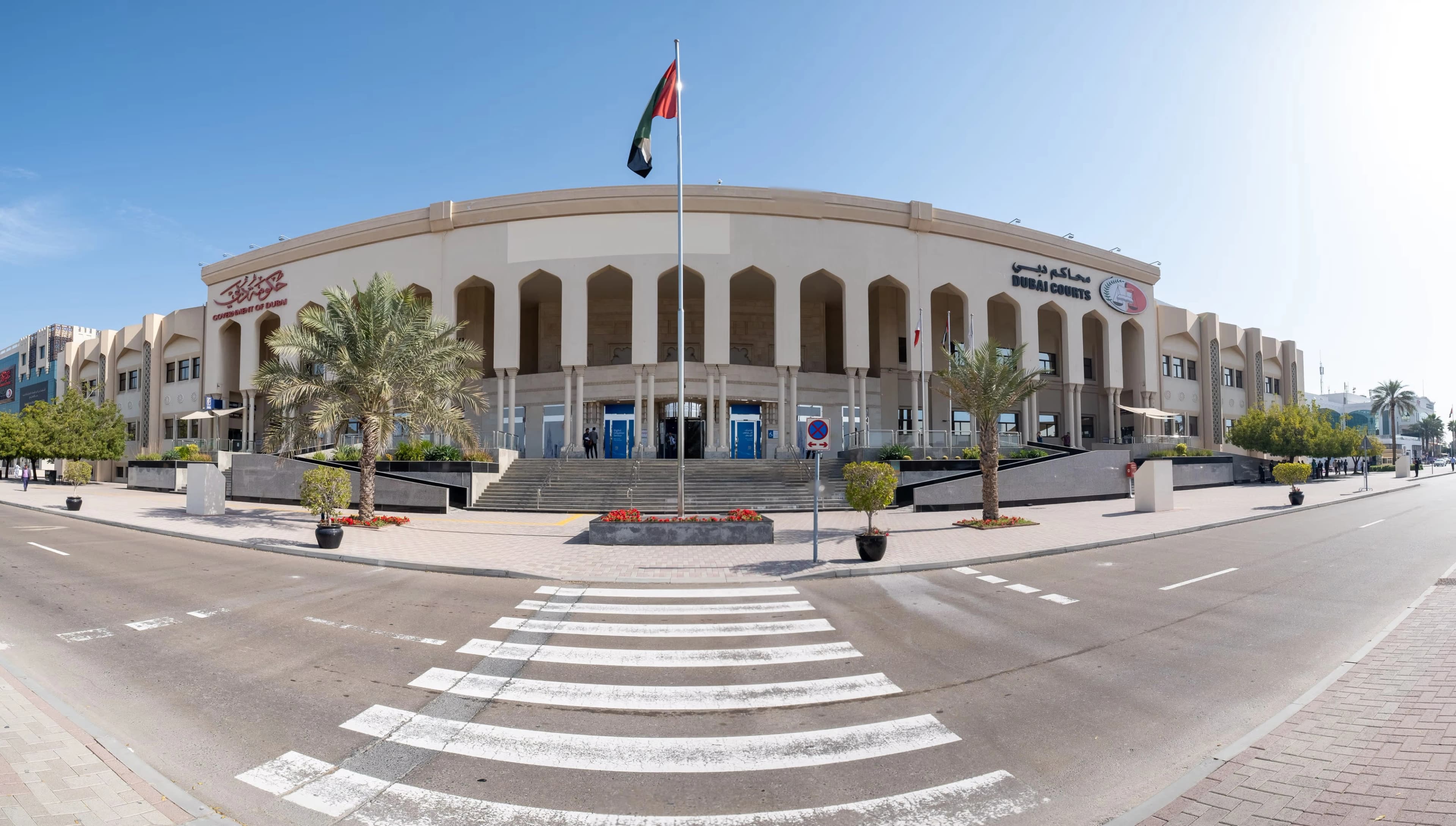
Dubai Court Orders Son to Vacate Father’s Home, Rules Family Ties No Defence
Two-month deadline as Dubai civil court affirms ownership rights override informal residence claims.
 Staff WriterApr 17, 2026, 10:33 AM
A Dubai Civil Court has ordered a son to vacate his father’s residential property within two months, ruling that his continued stay amounts to unlawful occupation despite their family relationship and his long-term residence in the home.
The court also directed the defendant to bear all legal costs, emphasising that occupying a property without the owner’s consent cannot be justified by family ties.
The case was filed by the father, who sought eviction after deciding to allocate the house to another son preparing for marriage, until the latter completes construction of his own home.
According to court records, the defendant had lived in the property for several years as part of the family household. However, the father argued that the son owns a separate residence in Al Khawaneej and has received financial support for its upkeep, demonstrating his ability to relocate. The son’s refusal to vacate prompted the legal dispute.
In his defence, the son challenged the claim, arguing that ownership had not been conclusively established and pointing to his long-standing residence in the property. He maintained that the eviction request lacked legal basis and was intended to accommodate another sibling.
The father, however, submitted official documents, including a property ownership certificate in his name since 2005, along with proof of the other son’s marriage. The court found that the defendant failed to provide any evidence of a legal right to remain in the property or any registered interest in it.
In its ruling, the court held that the dispute arose from the defendant’s occupation of property owned by the claimant without consent, classifying it as unlawful possession. It stressed that ownership grants full rights to use, benefit from and dispose of property, and that any unauthorised occupation must be terminated.
The court further noted that the ownership certificate serves as conclusive proof of title and can only be challenged on grounds such as forgery, which was not established. It also rejected arguments that ownership applied only to the land and not the structure, clarifying that buildings permanently attached to land form part of the property.
Claims that the son contributed to the construction of the house were dismissed due to lack of evidence, with the court noting that such contributions do not create ownership rights unless formally registered.
Concluding that the defendant’s continued residence lacked any legal basis, the court ordered eviction within the specified period and directed him to bear all court fees and expenses.
For any enquiries or information, contact ask@tlr.ae or call us on +971 52 644 3004. Follow The Law Reporters on WhatsApp Channels.