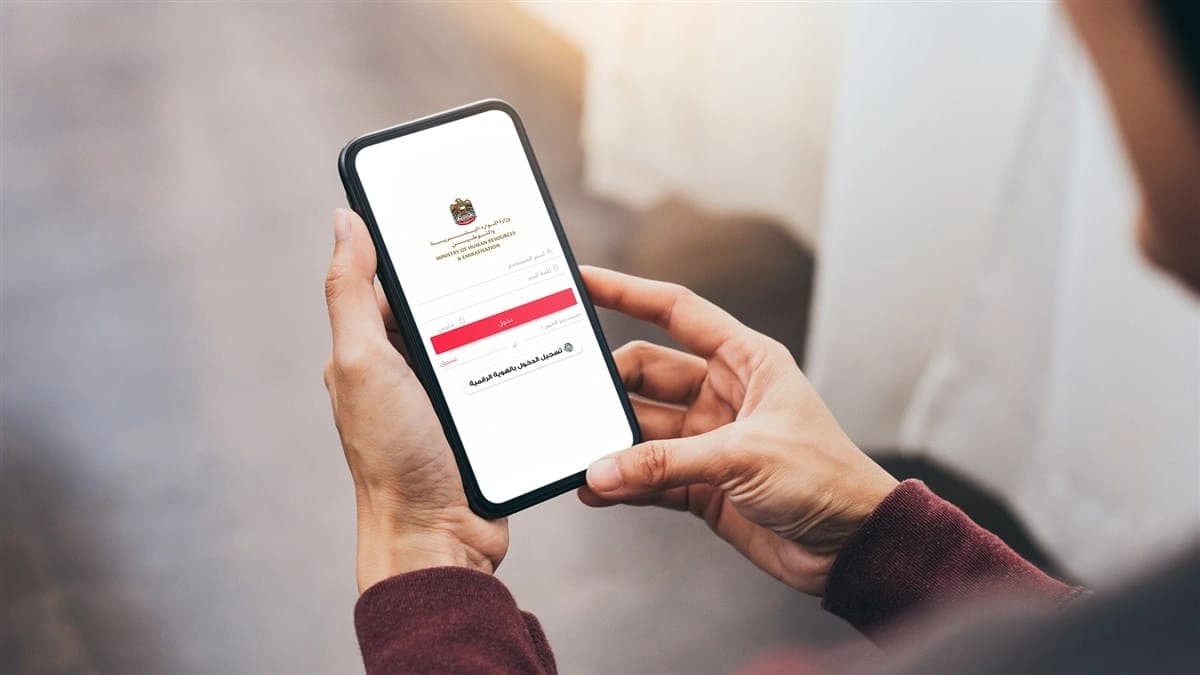
How MoHRE’s Work Permit Reforms Are Transforming Recruitment and Workforce Mobility in the UAE
New permit pathways, faster approvals and unified digital platforms are redefining employment administration.
 Staff WriterJun 9, 2026, 9:39 AM
The UAE’s labour market is undergoing another significant transformation with the Ministry of Human Resources and Emiratisation (MoHRE) launching a new phase of work permit reforms aimed at reducing bureaucracy, accelerating hiring processes and enhancing labour market efficiency.
The initiative forms part of the UAE’s broader efforts to modernise government services, improve ease of doing business and strengthen the country’s position as a leading global destination for talent and investment. By simplifying administrative requirements, redesigning service procedures and expanding digital access channels, the Ministry seeks to create a more agile regulatory environment that better serves employers, employees and investors.
A Shift Towards Faster and Smarter Labour Administration
The latest reforms reflect a growing policy trend within the UAE government: replacing traditional administrative procedures with digital-first systems that reduce processing times and eliminate unnecessary paperwork.
According to MoHRE, the upgraded work permit framework is designed to accelerate transaction completion, improve customer experience and enhance compliance with labour regulations. The Ministry has also opened an electronic public consultation process until July 30, inviting employers, workers and members of the public to provide feedback on existing work permit services and suggest improvements.
This consultation-driven approach demonstrates a move towards participatory policymaking, allowing stakeholders to contribute directly to the refinement of labour market services. It also aligns with the UAE government's broader strategy of continuously reviewing regulations to ensure they remain responsive to evolving economic realities.
Zero Government Bureaucracy Programme in Action
The reform is closely linked to the UAE’s Zero Government Bureaucracy Programme, one of the country's most ambitious administrative modernisation initiatives.
Under the latest overhaul, MoHRE has:
- Eliminated the requirement for supporting documents by 100 per cent for relevant permit services.
- Reduced mandatory data fields for selected permits by approximately 75 per cent to 97 per cent.
- Significantly shortened application processing times.
- Expanded digital service delivery channels.
From a legal and operational perspective, these changes are expected to reduce compliance costs for businesses while improving regulatory efficiency. Employers often cite administrative delays as a challenge in workforce planning, particularly in sectors requiring rapid recruitment. Faster permit processing can therefore contribute directly to productivity and business growth.
The reforms also support the UAE's objective of creating a government ecosystem where services are delivered proactively and digitally rather than through traditional paperwork-based procedures.
Unified Digital Platforms: A Single Gateway for Employers
One of the most significant aspects of the reform is the consolidation of work permit services through MoHRE's unified digital platforms.
Employers can now access permit services, submit applications and complete transactions through integrated online channels. This centralisation simplifies interactions between businesses and government authorities while reducing duplication of administrative processes.
From a governance perspective, unified digital systems improve transparency, facilitate data accuracy and enable faster monitoring of compliance requirements. Such digital integration is increasingly becoming a hallmark of advanced labour administration systems worldwide.
The move also reflects the UAE’s long-term digital economy strategy, which seeks to leverage technology to improve public services and strengthen economic competitiveness.
Expanding Labour Market Flexibility Through 13 Permit Categories
Perhaps the most notable feature of the updated framework is the range of work permits available to employers and workers.
MoHRE currently issues 13 categories of work permits, each designed to address specific employment scenarios and labour market needs. Together, these permits provide businesses with greater flexibility in hiring while offering workers more diverse pathways to participate in the economy.
Recruitment from Outside the UAE
The Work Permit for Recruitment from Outside the UAE remains a cornerstone of the country's workforce strategy.
Valid for two years, this permit enables employers to recruit foreign talent in accordance with applicable regulations. It supports the UAE’s longstanding model of attracting skilled and semi-skilled workers from international labour markets.
Transfer Work Permit and Labour Mobility
The Transfer Work Permit facilitates labour mobility by allowing employers to hire workers already residing in the UAE following the termination of a previous employment relationship.
This permit enhances workforce flexibility while reducing recruitment costs and onboarding periods. It also supports labour market efficiency by enabling experienced workers to remain active within the UAE economy rather than leaving the country after employment termination.
Family-Sponsored Residents Entering the Workforce
The Work Permit for Individuals Sponsored by Their Families allows establishments to employ residents already living in the UAE under family sponsorship.
This category has particular significance for spouses, dependants and long-term residents seeking employment opportunities without requiring separate employer-sponsored residency arrangements.
By broadening labour force participation, the permit supports economic inclusion while providing businesses access to a larger talent pool.
Temporary and Mission-Based Employment
The Temporary Work Permit enables establishments to engage workers already employed elsewhere in the UAE for short-term assignments before they return to their original employers.
Similarly, the Mission Work Permit allows employers to recruit workers from outside the UAE for temporary projects or assignments with defined durations.
These permits reflect the growing demand for project-based work models, particularly in sectors such as construction, technology, consulting and event management.
Part-Time Employment Gains Further Recognition
Among the most progressive elements of the framework is the Part-Time Work Permit.
The permit allows employers to recruit workers from inside or outside the UAE under part-time employment contracts. Eligible workers may simultaneously work for more than one employer in occupations classified within the first and second skill levels.
Importantly, workers are not required to obtain approval from their primary employer or other part-time employers, provided regulatory conditions are satisfied.
This represents a significant evolution in labour market flexibility, encouraging workforce participation, professional mobility and efficient utilisation of skilled talent.
Opportunities for Youth Employment
The Ministry has also strengthened pathways for younger workers through specialised permit categories.
The Juvenile Work Permit enables establishments to employ individuals aged between 15 and 18 years, subject to safeguards designed to ensure appropriate and safe working conditions.
Meanwhile, the Student Training and Employment Permit allows organisations to train or employ students aged 15 years and above, whether UAE nationals or expatriates.
These initiatives contribute to workforce development by allowing young people to gain practical experience before entering full-time employment.
Supporting Emiratisation Objectives
Several permit categories directly support the UAE's Emiratisation agenda.
The UAE National/GCC National Work Permit facilitates the employment of UAE nationals and citizens of Gulf Cooperation Council countries, reinforcing regional workforce integration.
The Trainee UAE National Work Permit enables establishments to provide training opportunities aligned with the academic qualifications of Emirati candidates, helping bridge the gap between education and employment.
These measures complement broader national policies aimed at increasing the participation of UAE nationals in the private sector.
Accommodating New Residency Models
The introduction of the Golden Residency Holder Work Permit reflects the evolution of the UAE's immigration framework.
As the country expands long-term residency programmes to attract investors, entrepreneurs, professionals and exceptional talent, labour regulations are being adapted to accommodate these residents within the workforce.
The permit enables MoHRE-registered establishments to employ individuals residing in the UAE under the Golden Residence programme, ensuring seamless integration between residency and employment systems.
Rise of the Freelance Economy
The Freelance Work Permit is another indication of changing employment patterns.
Issued to self-sponsored foreign nationals wishing to engage in independent professional activities, the permit supports the growth of the gig economy and flexible work arrangements.
Freelancing has become increasingly important in sectors such as media, technology, design, consulting and digital services. By providing a formal legal framework for independent work, the UAE is positioning itself to attract highly skilled professionals seeking greater autonomy and flexibility.
Broader Economic and Legal Implications
Beyond administrative simplification, the reforms carry wider economic significance.
For employers, reduced bureaucracy can lower operational costs, accelerate recruitment cycles and improve workforce planning. Faster permit approvals may be particularly valuable for sectors facing labour shortages or requiring rapid project mobilisation.
For workers, the expanded permit framework creates greater employment flexibility and mobility. Categories such as part-time, freelance and family-sponsored work permits provide additional avenues for workforce participation while supporting evolving employment preferences.
From a regulatory standpoint, the reforms also strengthen compliance by making legal pathways to employment more accessible and efficient. Simplified procedures can reduce administrative errors and encourage businesses to operate fully within the formal labour market framework.
The changes are also consistent with international trends towards flexible employment models, digital government services and skills-based workforce development. As global competition for talent intensifies, countries increasingly seek to balance regulatory oversight with ease of access to employment opportunities.
Supporting the UAE’s Long-Term Economic Vision
The work permit reforms are closely aligned with the UAE's broader economic diversification agenda and ambition to become one of the world's most attractive destinations for talent, entrepreneurship and investment.
By combining digital transformation, labour market flexibility and streamlined regulation, MoHRE is creating an employment ecosystem that supports both business growth and workforce development.
The introduction and expansion of specialised permit categories acknowledge the growing diversity of employment relationships in the modern economy, ranging from traditional full-time jobs to freelancing, project-based assignments, student employment and multiple-employer work arrangements.
At the same time, the Ministry's commitment to public consultation demonstrates an intention to continuously refine labour services based on stakeholder needs and market realities.
Conclusion
MoHRE's latest work permit reforms represent more than a procedural update. They mark a strategic shift towards a more responsive, technology-driven and flexible labour market framework.
Through the elimination of unnecessary bureaucracy, expansion of digital services and introduction of specialised permit pathways, the Ministry is helping employers access talent more efficiently while providing workers with greater opportunities and mobility.
As the UAE continues to position itself as a global business and talent hub, these reforms are likely to play a critical role in enhancing labour market competitiveness, supporting economic growth and reinforcing the country's reputation as a forward-looking destination for work and investment.
For any enquiries or information, contact ask@tlr.ae or call us on +971 52 644 3004. Follow The Law Reporters on WhatsApp Channels.