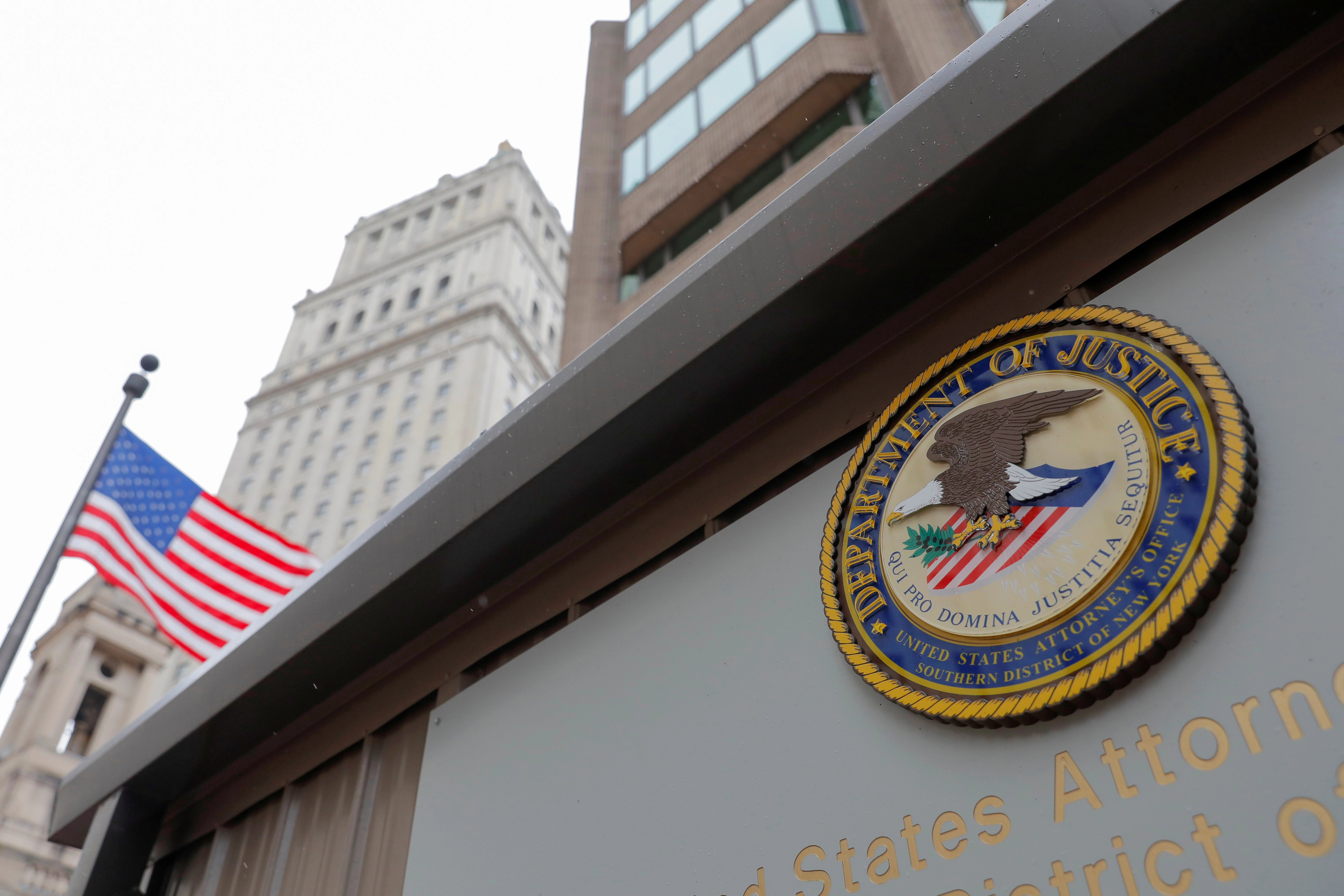
US Justice Department’s Aggressive Denaturalisation Drive Faces Legal Barriers and Resource Strains
Legal precedent and shrinking manpower could slow Trump’s rapid push to revoke the citizenship of naturalised Americans.
 Staff WriterJul 4, 2026, 10:33 AM
The US Department of Justice (DOJ) has filed 64 civil denaturalisation cases so far during President Donald Trump’s second term. Legal advocacy group Democracy Forward places the number even higher at 69, including 33 in June alone, based on its own analysis.
The surge reflects coordinated efforts by the DOJ’s Civil Division, US Attorneys’ Offices and the Department of Homeland Security (DHS) to expand the rarely used process of denaturalisation — a measure historically reserved for serious offences such as war crimes, threats to national security and violent crimes.
The administration aims to file at least 250 cases by October, according to a DOJ spokesperson. US Citizenship and Immigration Services (USCIS) spokesman Zach Kahler said the agency, part of DHS, is working with the DOJ to “aggressively pursue and recommend denaturalisation” of anyone who obtained citizenship through fraud.
However, former DOJ and DHS lawyers say the current pace may be difficult to sustain, pointing out that federal law limits denaturalisation to conduct that casts doubt on an individual’s “good moral character” at the time they were naturalised.
Combined with mounting immigration-related caseloads for DOJ lawyers, this makes it unlikely that the denaturalisation campaign will affect a significant share of the estimated 24 million naturalised citizens living in the US, former government attorneys said.
“It’s going to be very difficult to meet those goals, especially if the government wants to bring only strong cases, which require substantial work,” said George Fishman, a former DHS deputy general counsel.
While most of the cases filed so far align with priorities pursued under previous administrations, some involve allegations and convictions linked to money laundering and financial fraud, raising concerns among immigration rights advocates about the scope of future targets.
Trump administration officials have pledged a broad approach to investigating fraud among naturalised citizens, making it a formal priority in a 2025 Civil Division memo.
Enforcement Priorities
The government has filed more denaturalisation cases this year than in any single year of Trump’s first term, and at a faster pace than the average of 11 cases a year recorded between 1990 and 2017. Many of those targeted recently have been US citizens for decades, with some naturalised as far back as 1978.
This suggests the administration is exercising broader discretion over who can face denaturalisation, said Ramya Reddy.
Under federal immigration law, naturalised citizens can lose their citizenship for “concealment” or “wilful misrepresentation” of a “material fact” that would otherwise have prevented them from being granted citizenship. There is no statute of limitations on such cases.
Of the cases filed during Trump’s second term, at least nine have resulted in denaturalisation rulings, according to Democracy Forward’s analysis. One is currently under appeal. Many involve individuals who committed crimes before becoming citizens and were later convicted.
“The government is most likely to focus on the low-hanging fruit — people with serious convictions, recent offences or other easily identifiable issues that make them straightforward enforcement targets,” said Nancy Canter.
Legal and Practical Constraints
Former government lawyers say decades of legal precedent on citizenship rights, combined with limited resources at federal agencies, will restrict how far the Trump administration can push its denaturalisation agenda.
The Supreme Court of the United States has repeatedly ruled that naturalised citizens must be treated in law the same as those born in the US, said Margy O’Herron.
In 1967, the court ruled that the government could not forcibly strip citizenship without consent, except where it had been “unlawfully procured”. In 2017, it further ruled that minor misrepresentations by citizenship applicants could not serve as grounds for denaturalisation.
Resource shortages at both the DOJ and DHS are another obstacle, said David McConnell.
That office has reportedly lost nearly a third of its attorneys since January 2025, while US Attorneys’ Offices have seen a wave of departures by career lawyers. These exits come as both the immigration litigation office and federal prosecutors face a record number of constitutional challenges brought by detained immigrants.
Fears Over Future Expansion
Despite these limitations, immigration advocates fear the DOJ could begin filing more cases based on conduct that occurred after an individual became a US citizen.
At least two cases filed this year involve individuals accused of supporting designated terrorist organisations after naturalisation. These cases rely on a provision allowing denaturalisation for anyone who becomes affiliated with a terrorist group, the Communist Party or a totalitarian party within five years of gaining citizenship.
The limited case law surrounding post-naturalisation conduct has fuelled concerns that the Trump administration may attempt to broaden its legal strategy, creating what advocates say could amount to a distinction between naturalised and US-born Americans.
Elizabeth Taufa said such a move could fundamentally alter how citizenship protections are interpreted.
Fishman said the government stands a better chance of succeeding in cases involving misrepresentation or actions taken before naturalisation, but noted there is “no particular bar” to using post-naturalisation conduct as evidence of a person’s character at the time they became a citizen.
Meanwhile, Eric Schmitt has introduced legislation that would allow the government to denaturalise individuals convicted of aggravated felonies or other serious offences up to 10 years after naturalisation.
The bill has yet to advance in the Senate, where Republicans hold a narrow majority.
“Naturalised citizenship is a privilege,” Schmitt said in a statement, adding that the proposed law would “protect it from criminals, fraudsters, spies and terrorists who reject our values and never met the qualifications for citizenship in the first place.”
For any enquiries or information, contact ask@tlr.ae or call us on +971 52 644 3004. Follow The Law Reporters on WhatsApp Channels.