US SC Lets Trump Resume Deporting Migrants To Third Countries While Legal Challenge Continues
Justices temporarily put a lower-court ruling on hold, allowing the administration to resume removals.
 Staff WriterSep 30, 2026, 10:46 AM
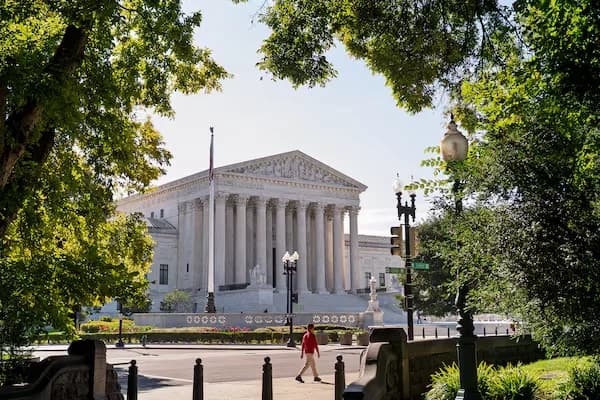
The US Supreme Court on Tuesday allowed President Donald Trump’s administration to resume deporting migrants to countries other than their own without first giving them an opportunity to raise concerns about the harm they could face there, temporarily restoring a policy that has become an important part of the administration’s immigration enforcement strategy.
The justices granted the Justice Department’s emergency request to put on hold a ruling by Boston-based US District Judge Brian Murphy, who had found the Department of Homeland Security’s policy on removals to so-called third countries unlawful. The Supreme Court also agreed to hear arguments in the case in December, meaning Tuesday’s action does not finally determine whether the policy is legal.
The court has a 6-3 conservative majority, with its three liberal justices dissenting from the decision to allow the deportations to resume while the litigation continues.
Murphy’s ruling came in a class-action lawsuit brought by immigrant rights groups on behalf of migrants seeking to prevent the US government from transferring them to third countries without notice and an opportunity to explain why they could face persecution or torture there.
More than 25,000 migrants have been deported to at least 28 or 29 third countries under the policy since it was introduced, according to figures cited in court proceedings and by human rights groups. Mexico has received the largest number, while other destinations have included countries in Africa and elsewhere.
The policy is one of several measures adopted by the Trump administration as part of its broader effort to increase deportations. Immigration enforcement has remained a central priority of the Republican president since he returned to the White House in January 2025.
The administration has sent migrants to countries including South Sudan, Uganda, Equatorial Guinea, Liberia and the Central African Republic. South Sudan, in particular, is subject to a US State Department warning because of risks including crime, kidnapping and armed conflict.
Department of Homeland Security General Counsel James Percival welcomed the Supreme Court’s decision, describing it on social media as a victory for the administration’s immigration enforcement efforts.
Trina Realmuto, a lawyer representing the plaintiffs at the National Immigration Litigation Alliance, said the ruling would allow the administration to resume sending people to countries where they could face persecution or torture. She said some migrants could be placed on flights before receiving notice or having an opportunity to raise claims about the risks they face.
In February, Murphy ruled that the third-country deportation policy failed to comply with immigration law procedures and due process protections under the Fifth Amendment to the US Constitution. Due process generally requires the government to provide notice and an opportunity to be heard before taking certain adverse actions.
The Supreme Court had previously intervened in the case, suspending an earlier preliminary order by Murphy that had halted the removals. The justices also later lifted restrictions imposed by the judge to protect a group of migrants from being sent to South Sudan.
The litigation began in 2025 after the Department of Homeland Security moved to expand deportations of migrants who could not be returned to countries identified in their removal orders.
Swiftly Removed
Under the policy, migrants could be removed quickly to third countries that had provided diplomatic assurances that they would not be subjected to persecution or torture. Where such assurances had not been provided, migrants were to be informed of their destination and US authorities would consider the risk of persecution or torture if the individual raised such concerns.
In its emergency application to the Supreme Court, the Justice Department described third-country deportations as an important means of removing certain migrants, including people it considers serious criminal offenders.
Murphy and critics of the policy, however, have argued that the measure also affects migrants who had previously received legal protection preventing their return to their countries of origin.
Plaintiffs have alleged that some migrants deported under the policy were subsequently transferred by third countries to their countries of origin, despite having previously received protection from such returns in the United States. Court filings have also described allegations of detention, physical abuse, sexual assault and disappearances involving some deportees.
The plaintiffs have argued that the policy fails to adequately account for the risks faced by migrants, including people who have lived in the United States for years and have no criminal record.
The Boston-based 1st US Circuit Court of Appeals upheld most of Murphy’s ruling on September 18, prompting the administration to seek emergency relief from the Supreme Court.
The dispute has been sharply contested since it began. Murphy has previously found that the administration “repeatedly violated, or attempted to violate” his orders in connection with the deportation policy. In 2025, he ruled that the administration had violated another order requiring additional procedures before attempting to send a group of migrants to South Sudan.
The Supreme Court’s latest action allows the third-country deportations to proceed while the justices prepare to hear the broader legal challenge in December. The final ruling will determine whether the administration can continue using the policy in its current form.
For enquiries or further information, contact ask@tlr.ae or call +971 52 644 3004. Follow The Law Reporters on WhatsApp Channels.