US Universities Turn to Law Deans as Presidents Amid Crisis
Legal expertise becomes a sought-after skill as Columbia, Michigan, and Georgetown appoint lawyers to navigate crises in higher education.
 Staff WriterJan 30, 2026, 1:56 PM
Three top US universities have recently appointed former law school deans as their incoming presidents, signalling a growing preference for leaders with legal expertise during a turbulent period for higher education.
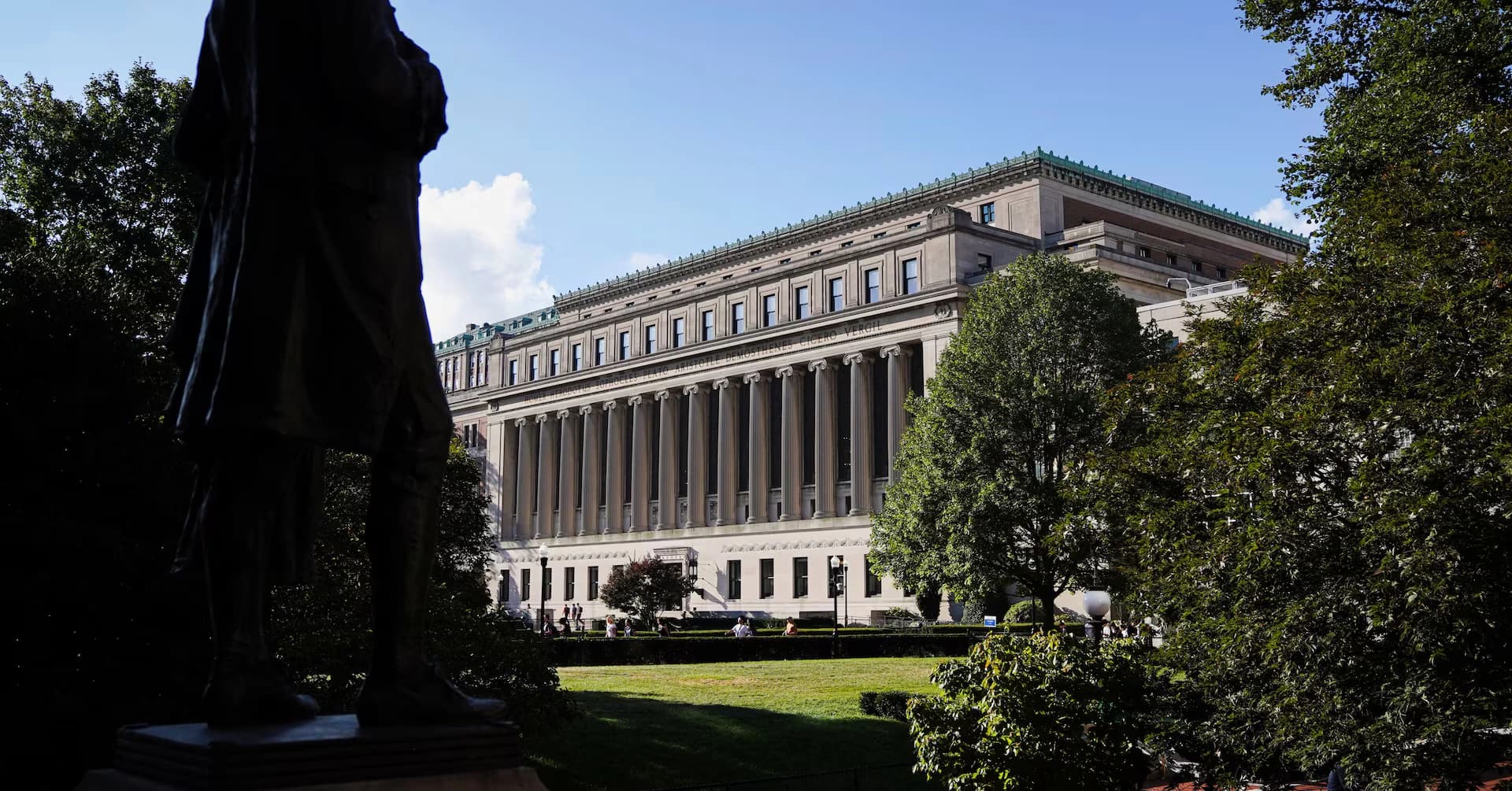
Columbia University on Sunday named Jennifer Mnookin — former dean of the University of California, Los Angeles School of Law and current chancellor of the University of Wisconsin-Madison — as its next president. Earlier this month, the University of Michigan chose Kent Syverud, former law dean at Washington University in St. Louis and current chancellor of Syracuse University. In October, Georgetown University selected Eduardo Peñalver, former Cornell Law School dean and current president of Seattle University, as its next leader. All three are set to assume their roles in July.
The number of lawyers and law deans holding university presidencies has more than doubled over each of the past three decades, according to research by Patricia Salkin, senior vice president of academic affairs and provost at Touro University, who published a book on the subject in 2022. Appointments of this kind tend to spike in times of crisis, Salkin noted.
Mnookin and Syverud will lead institutions that were targeted by former U.S. President Donald Trump over the past year and have experienced significant leadership turnover. Columbia reached a $220 million settlement with the Trump administration in July to resolve claims of antisemitism and restore millions in government funding.
The U.S. Department of Education launched an investigation in July into the University of Michigan over foreign donations. The Ann Arbor institution, which has had three presidents in five years, also closed its diversity, equity, and inclusion office in March 2025.
“Higher education is under tremendous pressure with rapidly changing federal policies,” Salkin said. “People are looking for the skill sets that lawyers bring to the table.”
Syverud and Peñalver told Reuters that legal training is especially beneficial in leadership roles under the current political climate. They said three former law deans assuming major university presidencies in quick succession is unusual. Mnookin did not respond to requests for comment.
“The rules and practices of the federal government have changed quite a bit in a year,” Syverud said. “Training as a lawyer makes you better able to make quick decisions when necessary.”
Peñalver said his legal background allowed him to analyse a February 2025 letter from the U.S. Department of Education warning that federal funding could be pulled from institutions maintaining what it described as illegal diversity and inclusion programmes. Seattle University did not immediately implement changes, recognising the letter was not legally binding.
Over the past year, the Trump administration moved to cut federal research funding; targeted university diversity and inclusion efforts; investigated multiple campuses for alleged antisemitism; revoked visas for some international students; and sought to overhaul higher education accreditation.
“It helps to have a president with sophistication and a clear understanding of what is required — and what is not,” Peñalver said. “That’s more challenging for those without legal training, who may struggle to know where they stand.”
For any enquiries or information, contact ask@tlr.ae or call us on +971 52 644 3004. Follow The Law Reporters on WhatsApp Channels.