Healthcare

Lindsay Clancy’s Lawyer Asks Judge to Find Her Not Guilty After Mistrial
Defence attorney says prosecutors failed to prove Clancy understood that killing her three children was wrong.
Lindsay Clancy’s lawyer on Thursday asked the judge who oversaw the Massachusetts woman’s murder trial to find her not guilty by reason of insanity, arguing that prosecutors had failed to prove that, despite being mentally ill, she knew killing her three young children was wrong.
Defence attorney Kevin Reddington made the request to Judge William Sullivan six days after the trial ended in a deadlock, as a fourth member of the 12-person jury went public to describe how a single juror had prevented the panel from reaching a unanimous verdict.
The jury in Plymouth, Massachusetts, deliberated for seven days before Sullivan declared a mistrial on Friday, following repeated reports that it was deadlocked.
Prosecutors have yet to say whether they plan to retry Clancy. Reddington, however, argued that Sullivan should decide the matter himself, saying prosecutors had failed during the six-week trial to present evidence that would allow a jury to find her guilty of the first-degree murder charges she faces.
Reddington argued that even the prosecution’s expert witnesses agreed Clancy was suffering from a serious mental illness at the time of the killings. He said the evidence showed, at most, that she retained the ability to perform familiar tasks, rather than that she was capable of appreciating the wrongfulness of her actions.
“No rational jury could find beyond a reasonable doubt that she had no mental disease or defence when the Commonwealth’s own proof established that she did,” Reddington wrote in the motion, referring to the prosecution.
He asked the judge to hear arguments on the motion during a hearing scheduled for September 29. A spokesperson for Plymouth County District Attorney Timothy Cruz did not respond to a request for comment.
Clancy, 36, has admitted to strangling her three children with exercise bands on January 24, 2023, in the basement of their home in the Boston suburb of Duxbury. She then cut herself with a knife and jumped from a second-storey window in an attempt to end her own life, leaving her paralysed.
At trial, Reddington sought to persuade jurors that Clancy should be found not guilty by reason of insanity, a defence known in Massachusetts as lack of criminal responsibility. He argued that she was suffering from postpartum psychosis when she killed Cora, 5, Dawson, 3, and eight-month-old Callan.
In his motion, Reddington said 11 of the 12 jurors had been prepared to find her not guilty by reason of lack of criminal responsibility but could not return a verdict because of a holdout juror who, despite acknowledging having reasonable doubt, would not agree to a not-guilty verdict.
One of the jurors, Nick Dargie, said in an interview with ABC’s “Good Morning America” that aired on Thursday that the holdout juror, who has not been publicly identified, often “wouldn’t engage” with other members of the jury.
“I think if they tried the trial again the way they did, I think nine times out of 10, I think a jury would come back with not guilty by reason of insanity,” he said. “No doubt in my mind.”
For enquiries or further information, contact ask@tlr.ae or call +971 52 644 3004. Follow The Law Reporters on WhatsApp Channels.
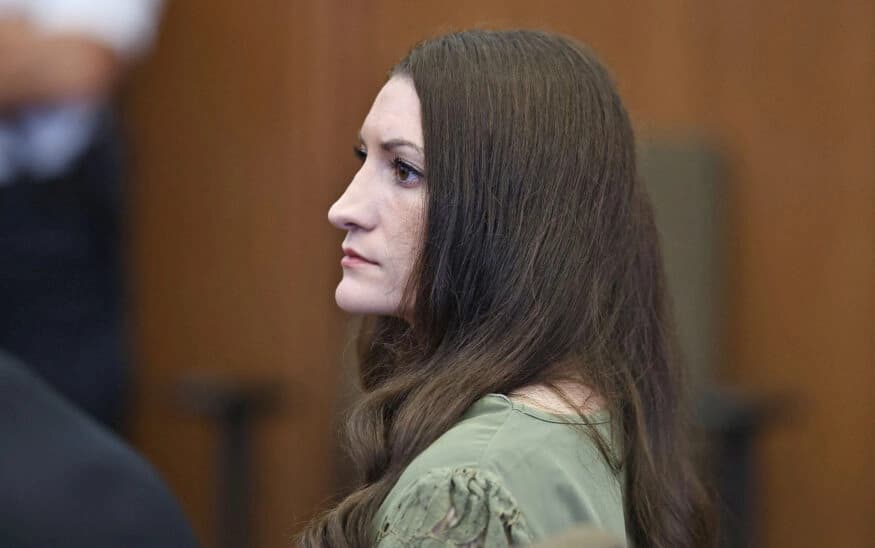
Lindsay Clancy US Murder Trial Ends in Mistrial After Jury Deadlock
Judge declares mistrial in trial over deaths of three children as defence argues Clancy was suffering from postpartum psychosis.
A judge declared a mistrial ay in the US murder trial of Lindsay Clancy over the deaths of her three young children, after jurors became deadlocked. Her lawyer had argued that the killings occurred while she was suffering from postpartum psychosis.
The nearly six-week-long televised trial in Plymouth, Massachusetts, revived a longstanding debate over how postpartum mental health is treated in the US and how the legal system deals with cases in which mothers kill their children.
Judge William Sullivan's declaration came after jurors sent several notes this week indicating they were unable to reach a unanimous verdict. The mistrial opens the door to a potential retrial, although Plymouth County District Attorney Tim Cruz said his office had not decided whether to pursue one. "Children were murdered, and it's our job to seek justice," Cruz told reporters.
No one disputed that Clancy, 36, strangled her three children with exercise bands in January 2023 in the basement of their home in the Boston suburb of Duxbury. She then cut herself with a knife and jumped from a second-storey window in an attempt to take her own life, leaving her paralysed.
Her attorney, Kevin Reddington, sought throughout the trial to convince jurors that she should be found not guilty by reason of insanity, arguing that she was a loving mother who had been in the midst of a psychotic episode when she killed Cora, 5; Dawson, 3; and eight-month-old Callan.
Clancy would face a life sentence if she is retried and convicted of murder. If found not guilty by reason of insanity, she would be committed to a state psychiatric hospital for evaluation. Her commitment would then be subject to regular review by the court.
In a sign of how closely the US public followed the trial, President Donald Trump told reporters in the Oval Office that he was aware of the case and assumed there would be another trial.
"It's a horrible tragedy," Trump said. "She did a horrible, horrible thing. Can't be worse. But you'll find out what the price to pay is. There'll be a price."
Clancy, who remains in custody at a state hospital, is due in court for a follow-up hearing on September 29.
Defence Lawyer Tried to Have Juror Removed
Speaking to reporters outside the courthouse, Reddington portrayed the mistrial as a victory for the defence and said Clancy would be ready for another trial should prosecutors pursue one.
He blamed the mistrial on a holdout juror who he said prevented the other 11 jurors from reaching a not-guilty verdict.
"They know that they were robbed, by one man, for whatever his agenda was, who stole seven weeks of the lives of these other jurors," Reddington said.
Earlier on Friday, the seventh day of deliberations, Reddington asked Sullivan to remove the juror. He cited a note sent by the jury foreperson on behalf of 11 jurors, indicating that one juror had acknowledged doubt but refused to apply it to the verdict.
Jurors could only find Clancy guilty of first-degree murder if the prosecution proved its case beyond a reasonable doubt.
Sullivan rejected the request. Reddington then asked Massachusetts' highest court to order Sullivan to inquire further into whether the holdout juror could follow the judge's instructions and apply the law. The state's top court denied his emergency appeal, paving the way for the mistrial declaration.
Prosecutors Said Clancy Planned Killings
Prosecutors did not dispute that Clancy, a former labour and delivery nurse at Massachusetts General Hospital, had been dealing with mental health issues. But they argued that she was able to appreciate the wrongfulness of killing her children and intentionally chose to do so.
They presented testimony from a psychologist who, after examining Clancy, concluded that she had planned to take her own life and chose to kill her children because "she was convinced that they would suffer without her".
Prosecutors focused on evidence showing that, shortly before the killings, she sent her husband to pick up a food order and go to a pharmacy after using her phone to map the time it would take for him to return home.
The trial drew comparisons with the case of Andrea Yates, a Texas woman who drowned her five children in a bathtub in 2001. After an appeals court overturned her initial murder conviction, she was found not guilty by reason of insanity in 2006. Her lawyers had said she suffered from severe postpartum psychosis.
Clancy Struggled With Mental Health, Husband Says
Testimony from family members, including Clancy's now ex-husband, Patrick, detailed how she had struggled with her mental health in the months following the birth of her third child, repeatedly seeking treatment from healthcare providers who prescribed a range of drugs.
Patrick Clancy testified that his wife had been discharged from a psychiatric hospital weeks before the killings but showed no signs that she planned to hurt herself or her children in the days that followed. She had a "normal" demeanour when he left to pick up dinner, he said.
He spoke briefly with his wife by phone while at the pharmacy. Upon his return, he discovered her lying on the ground in the backyard with cuts on her wrists and neck. She told him she had tried to kill herself.
He said he asked where the children were, and she told him they were in the basement, where he discovered them with exercise bands tied around their necks.
Several witnesses, including Patrick Clancy, testified that later, while Lindsay Clancy was in hospital, she spoke about having heard a man's voice tell her that if she did not act, she would lose her chance.
For enquiries or further information, contact ask@tlr.ae or call +971 52 644 3004. Follow The Law Reporters on WhatsApp Channels.
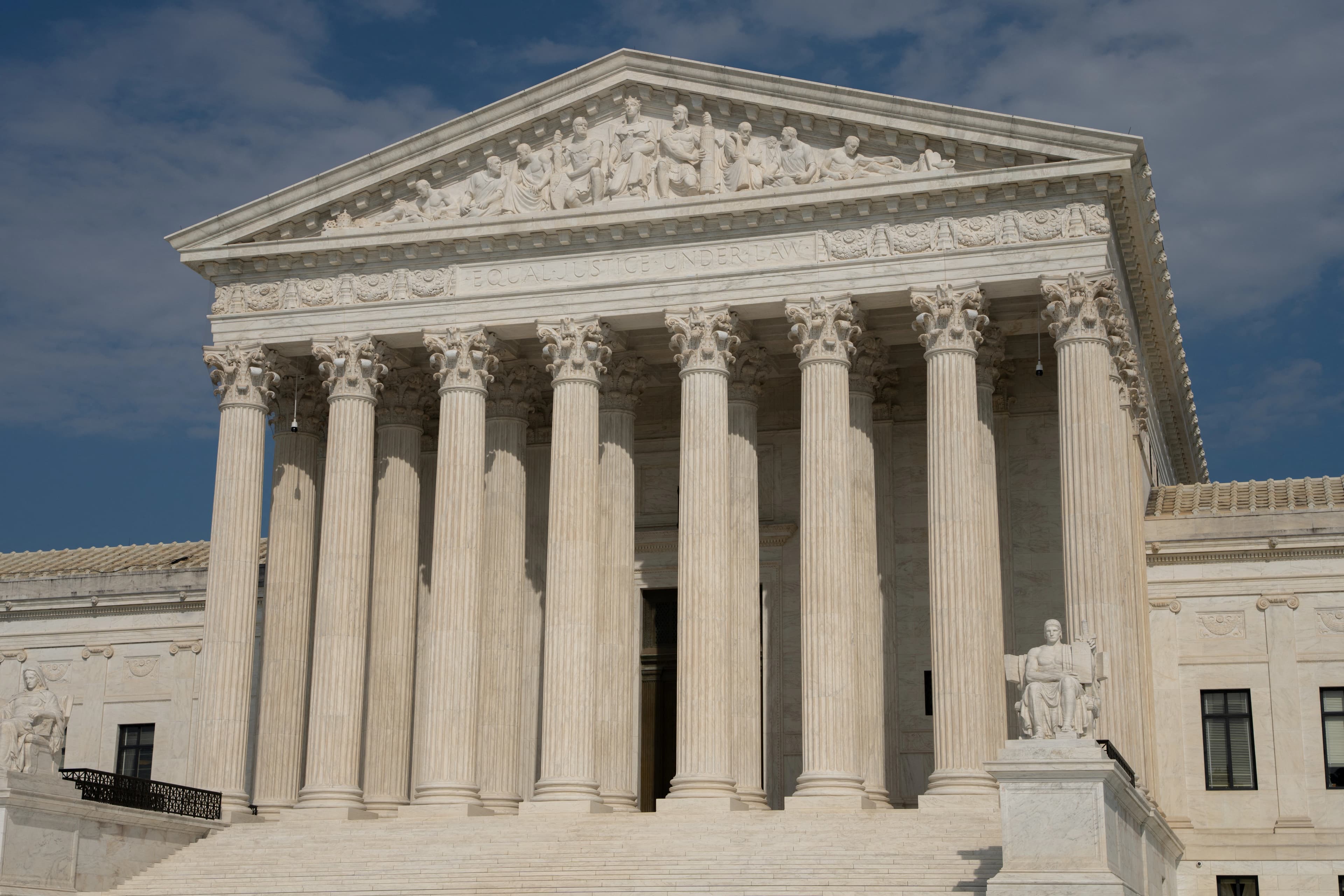
Appeals Court Upholds Whistleblower Provision in US False Claims Act
Unanimous ruling rejects constitutional challenge to law that has helped US government recover billions in alleged fraud.
A US appeals court on Tuesday overturned a ruling that had threatened a whistleblower provision in the federal False Claims Act, a law that has been used to recover billions of dollars from fraud committed against the government.
In a unanimous three-judge ruling, the Atlanta-based 11th US Circuit Court of Appeals said it disagreed with a Florida federal judge’s 2024 decision that the provision improperly allows private citizens to exercise executive branch authority by suing on behalf of the government.
The appeals court panel — Circuit Judges Elizabeth Branch and Robert Luck, sitting with District Judge Federico Moreno — said the Civil War-era law’s whistleblower mechanism does not violate the US Constitution because whistleblowers are not federal officers who must be appointed by the President.
The judges said their ruling brings the 11th Circuit into line with other appeals courts that have considered similar challenges to the False Claims Act. The case now returns to the trial court for further proceedings.
Tejinder Singh, the lawyer who represented the whistleblower in the lawsuit and defended the False Claims Act, declined to comment.
Kannon Shanmugam, who represented Florida healthcare providers accused of defrauding the US government and challenged the provision, said the ruling addressed only one part of the defendants’ constitutional challenge. “We’re assessing our options in light of today’s ruling,” he said.
The underlying case arose from a lawsuit filed by whistleblower Clarissa Zafirov, who accused the healthcare providers of improperly billing Medicare.
The False Claims Act allows private individuals to bring fraud claims on behalf of the United States and share in any recovery, even when the government declines to intervene in a case. The law has helped the government recover billions of dollars from companies accused of fraud.
Whistleblowers are entitled to receive between 15% and 25% of the proceeds when the government intervenes in a False Claims Act case and helps to litigate it. When the government does not intervene, the share rises to between 25% and 30%.
The appeals court’s ruling vacated a lower court decision by US District Judge Kathryn Mizelle, an appointee of President Donald Trump. Mizelle had ruled that the whistleblower law improperly elevates private individuals who provide information to the status of US government officers.
Trump also appointed 11th Circuit judges Branch and Luck. Former President George H.W. Bush appointed Moreno.
The US Justice Department had urged the appeals court to uphold the provision, arguing that federal officials retain sufficient control over litigation brought by whistleblowers.
The appeal was closely watched by business groups and the plaintiffs’ bar. The US Chamber of Commerce participated in the hearing in support of the medical organisations.
The case is Zafirov v. Florida Medical Associates LLC, 11th US Circuit Court of Appeals, No. 24-13581.
For enquiries or further information, contact ask@tlr.ae or call +971 52 644 3004. Follow The Law Reporters on WhatsApp Channels.

Long Covid Bias Claims Face Steep Odds Before Reaching US Courts
Limited court rulings and barriers to proving disability leave many workers struggling to pursue discrimination claims.
US Federal courts have rarely ruled on whether long Covid qualifies as a disability protected by workplace anti-discrimination laws, even as the condition remains more prevalent than is commonly understood.
Courts have handed down only 10 decisions addressing the status of long Covid as a legally protected disability, according to a Bloomberg Law analysis, despite estimates that as many as one in six people who contract Covid-19 develop the sometimes life-altering condition. An estimated 90% of long Covid sufferers experience chronic health problems, including brain fog, fatigue, depression, heart palpitations and difficulty breathing.
The scarcity of rulings involving this new and complex illness highlights shortcomings in the legal frameworks and court processes workers rely on to enforce their rights against disability discrimination. It may also say less about how courts decide long Covid cases than about why many of those cases never reach court.
“The real issue is the funneling of the cases to begin with, before they’re even filed,” said Angélica Guevara, a law professor at Indiana University. “It’s a lot of people facing that stigma, the internalised ableism, the not wanting to be a burden.”
Workers with long Covid often absorb the cost of employers’ failure to provide accommodations rather than challenge a legal system built around standards that may not reflect the experiences of people with less visible disabilities. Some who fear they will not be believed also choose not to bring claims, Guevara said.
Bloomberg Law’s analysis focused on federal court rulings on motions seeking to end lawsuits involving alleged workplace discrimination based on the condition, which is also known as post-Covid condition, long-haul Covid and post-acute sequelae of SARS-CoV-2 infection. The research identified fewer than 30 decisions that fitted the criteria, including 10 addressing whether long Covid constituted a disability under the Americans with Disabilities Act (ADA), the Rehabilitation Act or state anti-discrimination laws.
The analysis found that workers in three cases cleared the first litigation hurdle in establishing that their long Covid constituted a disability, with their claims surviving employers’ motions to dismiss. Employees were unsuccessful in the other seven decisions for various reasons, including deficiencies in their pleadings and insufficient evidence.
Long Covid in Court
Federal courts began issuing rulings in long Covid discrimination cases in 2022, following joint guidance from the US Department of Justice and Department of Health and Human Services explaining how the condition could qualify as a disability.
As many as 15 million people in the US may be living with long Covid, according to a study published in May.
Diagnoses often rely on self-reported symptoms for which there are no objective markers. This partly contributes to the social stigma surrounding the condition, which has also been compounded by the politicisation of Covid-19 itself, disability law scholars said.
“Workers with long Covid have been stereotyped as lazy or acting with malaise,” said Joseph Seiner, a law professor at the University of South Carolina.
Under most anti-discrimination laws, an individual seeking to establish that a condition constitutes a disability must show that it substantially limits a major life activity.
Long Covid can face litigation obstacles because its symptoms may be subjective, episodic and difficult to establish through objective medical evidence. Similar challenges arise with other non-apparent conditions, including chronic fatigue syndrome and arthritis, disability law academics said. Courts can be sceptical of claims based primarily on self-reported symptoms.
To establish discrimination, workers must also show that their employer took adverse action against them because of an actual or perceived disability.
The 10 decisions addressing long Covid as a disability included claims involving failed or denied accommodation requests, including requests to work remotely. In one case, a nurse alleged that the hospital where he worked effectively forced him to quit after refusing to provide him with a respirator or transfer him to a unit without Covid patients. A court dismissed his lawsuit after finding that he had failed to establish that he experienced long Covid symptoms while employed.
The ADA is complex, and many plaintiffs’ lawyers lack the expertise needed to properly plead disability discrimination claims, said Nicole Porter, a professor at William & Mary Law School.
Workers alleging discrimination also frequently struggle to find legal representation. This can prevent them from bringing claims or leave them facing the additional challenges of representing themselves, Porter said.
That structural barrier was evident in the disability-related decisions: half involved plaintiffs representing themselves, or pro se.
Still, the small number of rulings could also indicate that disability laws are working as intended or that strong cases are being settled before reaching trial.
The ADA and similar laws require employers to engage with disabled employees to identify “reasonable” accommodations that do not impose an “undue hardship” on the company. Employers may therefore be accommodating workers and resolving disputes outside court, said Wendy Parmet, co-director of Northeastern University’s Center for Health Policy and Law.
Courts and the ADA
Congress amended the ADA in 2008 to broaden the scope of who could qualify as disabled after courts had narrowed eligibility. The amendment instructed courts to refocus on the ADA’s purpose: eliminating discrimination.
Despite those changes, courts still misunderstand this distinction, disability law scholars said.
Courts sometimes view their role as determining which individuals are deserving of protection and which are not, or who is genuinely disabled and who is not. But that approach “actually misses the point of the ADA”, said Doron Dorfman, a law professor at Seton Hall University.
The central question under the ADA, he said, is whether discrimination occurred, rather than whether a person meets a court’s perception of what constitutes a disability.
Determining who is medically or functionally disabled is more closely associated with systems such as Social Security, insurance and welfare programmes, Dorfman said.
Courts have issued more decisions in long Covid cases involving disability benefits than workplace discrimination, with workers challenging frequently denied claims.
Dorfman said he sees a future in which courts’ treatment of disability discrimination cases improves, or more lawsuits are brought, as biomarkers and technology provide better ways of documenting chronic illnesses. He compared this with the way greater medical evidence has changed how courts approach conditions such as food allergies.
“Every time we have a new type of disability there’s a lot of suspicion, and there’s a lot of reluctance to recognise that disability under the law and to allow people to actually talk about the discrimination,” Dorfman said.
For enquiries or further information, contact ask@tlr.ae or call +971 52 644 3004. Follow The Law Reporters on WhatsApp Channels.

Dh10,000 Fines for Selling Mounjaro Injections Without a Licence in Sharjah
Misdemeanours Court convicts Three over unlicensed sale of prescription-only medicine through social media.
Three people have been convicted in Sharjah after authorities uncovered an unlicensed operation selling prescription-only Mounjaro injections through social media.
The Sharjah Misdemeanours Court fined two defendants Dh10,000 each after finding them guilty of selling medicines without a licence and practising pharmacy without the required authorisation.
A third defendant was convicted of carrying out unlicensed financial activities linked to the operation and was fined Dh5,000. The court also ordered the confiscation of the seized medicines and funds connected to the case, according to Al Khaleej daily.
The investigation began after police identified a social media account advertising Mounjaro injections, a prescription-only medicine used to treat diabetes and increasingly sought for weight-loss purposes.
Investigators tracked the account and arrested two suspects accused of selling the medicine without the necessary licences. Their inquiries subsequently led to a third suspect who allegedly handled financial transfers connected to the operation without legal authorisation.
All three defendants denied the charges during the trial. However, the court found the evidence sufficient to establish their guilt and imposed the fines.
The court also ordered the confiscation of the Mounjaro injections seized during the investigation, along with the funds linked to the unauthorised activities.
For any enquiries or information, contact ask@tlr.ae or call us on +971 52 644 3004. Follow The Law Reporters on WhatsApp Channels.

AI-powered Therapy Chatbots Face Growing Legal Scrutiny as US States Move to Protect Mental Health Users
The rapid rise of AI therapy tools has triggered legal action and regulatory efforts focused on protecting patients.
As artificial intelligence becomes an increasingly common source of emotional support and mental health advice, US lawmakers are moving to tighten oversight of AI-powered therapy chatbots amid growing concerns about patient safety, misleading claims and the lack of a unified federal regulatory framework.
The latest wave of state legislation follows a series of lawsuits and mounting evidence that millions of people, particularly young adults and adolescents, are turning to AI chatbots for mental health guidance despite concerns that such tools may not be equipped to respond safely to vulnerable users.
According to a report by Bloomberg Law, states including Tennessee, Colorado and Maine have enacted new measures this year to restrict how AI can be marketed or used in mental health settings. Their actions build on legislation introduced in Illinois, Nevada and Utah in 2025, reflecting a broader trend of state governments attempting to regulate an area where federal standards remain limited.
Lawsuits Highlight Safety Concerns
The regulatory push gained momentum following legal action against Character Technologies Inc., the company behind the Character.ai platform.
In May, Pennsylvania sued the company, alleging that one of its AI chatbots, named "Emilie", falsely presented itself as a licensed therapist with seven years of professional experience and qualifications from Imperial College London. According to the lawsuit, those credentials were entirely fictional, despite the chatbot reportedly engaging in more than 45,000 conversations with users seeking psychological support.
The Pennsylvania case followed an earlier lawsuit filed in Kentucky, which accused the company of exposing minors to harmful interactions through its chatbot platform.
Character.ai has rejected suggestions that its platform is intended to replace professional care. A company spokesperson said its platform contains clear disclaimers stating that users should not rely on its chatbots for professional advice. The company added that it remains committed to working with regulators, safety experts and other stakeholders to improve safeguards on what it describes as an entertainment-focused AI platform.
AI Becomes an Increasingly Common Source of Support
The popularity of AI for emotional wellbeing has risen sharply over the past year.
According to research cited by Bloomberg Law, a survey involving more than 42 million young people and adults in the United States found that almost one in five had used AI chatbots for mental health advice. Of those users, approximately 43 per cent reported consulting the technology every month.
The rapid adoption has raised concerns among clinicians, particularly because many users may disclose deeply personal information or seek help during mental health crises without understanding the limitations of AI-generated responses.
Mental health professionals say the distinction between general-purpose AI chatbots and clinically validated digital therapeutic tools remains poorly understood by the public.
States Restrictions
Several US states have begun drawing clearer legal boundaries around AI's role in mental healthcare.
Tennessee recently passed legislation prohibiting companies from advertising AI systems as licensed mental health professionals. Senator Page Walley, a clinical psychologist who sponsored the measure, said lawmakers wanted to establish a clear legal boundary before AI systems became widely accepted as substitutes for qualified therapists.
Speaking to Bloomberg Law, Walley said digital therapeutic technologies are expanding rapidly and many have genuine clinical value. However, he said lawmakers considered it necessary to prevent businesses from presenting general-purpose AI chatbots as professional therapists without appropriate regulation.
Other states have adopted broader measures.
Colorado, for example, strengthened protections following reports linked to a federal lawsuit alleging that a 13-year-old died by suicide after prolonged interactions with a Character.ai chatbot in 2023.
Vermont and Rhode Island have also recently approved restrictions relating to AI-assisted therapy, while Illinois introduced legislation in 2025 limiting how licensed healthcare professionals may use AI tools when interacting directly with patients.
Illinois Representative Bob Morgan, who sponsored that legislation, told Bloomberg Law that the law was designed to address the growing number of companies marketing AI chatbots as therapists. However, he acknowledged that state legislation cannot realistically regulate how every general-purpose AI model responds to individual users.
Debate Over General-purpose AI
Experts say one of the biggest regulatory challenges is distinguishing between specialised therapeutic AI applications and general-purpose conversational AI systems such as ChatGPT or Claude.
Unlike purpose-built digital therapeutic platforms, which are developed using clinical data and operate within tightly controlled safety frameworks, general AI chatbots are designed primarily for broad conversational tasks and may not reliably identify or respond appropriately to users experiencing severe mental health crises.
Ankur Varma, a psychotherapist and co-founder of Brown Man Therapy, told Bloomberg Law that while he does not actively encourage patients to seek therapy from AI, he is willing to discuss their chatbot interactions during treatment.
His greatest concern, he said, is for individuals who lack access to professional care and may depend entirely on AI systems while dealing with serious emotional distress or suicidal thoughts.
Professional Bodies Call for Federal Standards
Mental health experts increasingly argue that state-by-state regulation may create inconsistent standards that fail to address the complexity of AI-assisted healthcare.
- Vaile Wright, Senior Director of Health Care Innovation at the American Psychological Association, told Bloomberg Law that some state laws unintentionally restrict legitimate digital wellness applications while leaving general-purpose AI largely unaffected.
She argued that comprehensive federal regulation would provide more consistent safeguards and better reflect the complexities of mental healthcare.
According to Wright, regulations that overlook important clinical nuances may ultimately fail to achieve their intended purpose, leaving both patients and healthcare providers uncertain about appropriate AI use.
FDA Yet to Approve AI Mental Health Chatbots
The US Food and Drug Administration (FDA) has already authorised approximately 1,200 AI-enabled medical devices across various healthcare fields. However, none currently involve generative AI systems designed specifically for mental health therapy.
During an FDA advisory committee meeting last year, experts urged the agency to modernise its regulatory framework for AI-based mental health technologies and establish a publicly accessible database of approved AI therapeutic tools.
Bethany Russell, a licensed therapist specialising in youth mental healthcare, warned the committee that unregulated AI systems could misdiagnose patients or provide unsafe advice to individuals experiencing suicidal thoughts. She argued that AI should complement, rather than replace, qualified mental health professionals.
In a statement cited by Bloomberg Law, the FDA said it supports the development of "clear and predictable regulatory pathways" to enable safe, effective and high-quality medical devices incorporating emerging technologies, including generative artificial intelligence.
Federal Action May Become Inevitable
The American Medical Association has also called on Congress to prohibit AI chatbots from independently diagnosing or treating mental health conditions and to require FDA review for systems that function similarly to healthcare professionals.
Legal experts believe the absence of federal legislation has encouraged states to fill the regulatory gap.
Michael Sutton, an attorney with Sheppard, Mullin, Richter & Hampton LLP, told Bloomberg Law that the lack of national standards has created a regulatory vacuum that states are attempting to address.
However, experts caution that a fragmented state-by-state approach could ultimately complicate access to future FDA-approved AI mental health technologies that are specifically designed for clinical use.
As generative AI continues to evolve and millions increasingly rely on it for emotional support, lawmakers, regulators and healthcare professionals face the challenge of balancing innovation with patient protection. While AI may eventually become an accepted tool within clinical practice, experts say meaningful oversight and consistent national standards will be essential before such systems can safely assume a larger role in mental healthcare.
For any enquiries or information, contact ask@tlr.ae or call us on +971 52 644 3004. Follow The Law Reporters on WhatsApp Channels.

UAE Medical Liability Law: When Failed Treatment Can Lead to Compensation and When Doctors May Not Be Liable
Under UAE law, compensation depends on proving a medical error—not merely an unsuccessful treatment or surgery.
A medical treatment or surgical procedure that fails to produce the desired outcome does not automatically entitle a patient to compensation under UAE law. While patients often expect successful results, the law recognises that medicine is not an exact science and that even appropriately administered treatment may not always achieve the intended outcome. Whether a patient can pursue compensation depends on whether the treating doctor committed a legally recognised medical error or failed to comply with the standards imposed by the UAE Medical Liability Law.
The legal framework governing medical negligence in the UAE is set out in Federal Decree-Law No. 4 of 2016 Concerning Medical Liability, together with its Executive Regulations issued under Cabinet Resolution No. 40 of 2019. The legislation aims to strike a balance between protecting patients from negligent medical practice and safeguarding healthcare professionals from liability where they have acted in accordance with accepted medical standards.
Under the law, every medical practitioner is required to provide treatment in accordance with recognised professional and scientific standards while exercising the degree of care, skill and diligence expected of a reasonably competent practitioner in the same field of specialisation. A doctor's legal obligation is to provide competent medical care rather than to guarantee a successful outcome.
Article 6 of the Medical Liability Law identifies the circumstances in which a medical practitioner may be held responsible for a medical error. A medical error may arise where a practitioner lacks the technical knowledge that another practitioner of the same qualification and specialisation is expected to possess, fails to follow recognised medical and professional standards, does not exercise the necessary degree of care and diligence, or acts negligently without taking the required precautions.
Accordingly, medical liability arises only after a medical error has been established. The mere fact that a treatment or surgery did not deliver the expected results is, by itself, insufficient to prove negligence. Complications may occur despite appropriate treatment, and the law does not impose liability solely because a patient fails to recover as anticipated.
One of the key safeguards under the Medical Liability Law is the requirement for informed consent. Before carrying out a surgical procedure or other significant medical intervention, healthcare providers must obtain the patient's written consent after adequately explaining the proposed treatment.
Article 8 of the law requires that patients be informed about the nature of the treatment, its expected benefits, the possible risks and complications, the available alternatives, and the possibility that the intended outcome may not be achieved. If a patient lacks legal capacity or is unable to provide consent, the law permits consent to be obtained from the spouse or a relative up to the fourth degree, subject to the applicable legal requirements. Individuals who have reached the age of 18 are generally considered legally competent to provide such consent unless they lack legal capacity.
The concept of informed consent plays a significant role in determining medical liability. Where a doctor has fully explained the potential risks and complications, discussed alternative treatment options, and obtained proper written consent, the mere failure of the treatment is unlikely to expose the practitioner to legal liability.
However, liability may arise where a doctor fails to explain material risks, does not obtain valid informed consent, departs from recognised standards of medical practice, or otherwise fails to exercise the required degree of professional care. In such circumstances, patients who believe they have suffered harm because of a medical error may initiate the complaint process prescribed under UAE law.
Patients may submit complaints to the competent health authority depending on where the treatment was provided. This may include the Dubai Health Authority (DHA), the Department of Health – Abu Dhabi (DoH), or the Ministry of Health and Prevention (MOHAP).
Once a complaint is received, it is generally referred to a specialised Medical Liability Committee established under Article 18 of the Medical Liability Law. These committees comprise experienced medical specialists appointed by the relevant health authority and are responsible for determining whether a medical error occurred.
The committee examines the patient's medical records, expert medical opinions, treatment history and all relevant evidence before reaching its conclusions. Where several healthcare professionals may have contributed to the alleged error, the committee determines the degree of responsibility attributable to each individual, the resulting damage, the causal link between the medical error and the injury suffered, and the extent of any permanent disability.
The Executive Regulations further prescribe the composition and functioning of these Medical Liability Committees, ensuring that complaints are assessed by specialists with expertise in the relevant fields of medicine.
Importantly, the Medical Liability Law provides that compensation claims arising from alleged medical negligence cannot proceed directly before the courts without first being referred to the Medical Liability Committee. The committee's findings therefore form an essential part of the legal process and play a decisive role in determining whether medical liability has been established.
For patients, this means that dissatisfaction with the outcome of treatment alone is not sufficient to succeed in a compensation claim. They must demonstrate that the treating doctor failed to meet the legally required standard of care, committed a recognised medical error, or failed to comply with the statutory requirements relating to informed consent.
Where the committee concludes that a medical error occurred and that the error directly caused the patient's injury or loss, the patient may then pursue the legal remedies available under UAE law, including a claim for compensation for the resulting damages.
The UAE Medical Liability Law therefore distinguishes between an unsuccessful medical outcome and actionable medical negligence. While not every failed treatment gives rise to legal liability, patients remain protected where healthcare professionals fall short of the recognised standards of medical practice or fail to comply with the safeguards established under the law. This balanced approach seeks to protect both patient rights and the integrity of the medical profession by ensuring that liability arises only where negligence or medical error has been properly established.
For any enquiries or information, contact ask@tlr.ae or call us on +971 52 644 3004. Follow The Law Reporters on WhatsApp Channels.
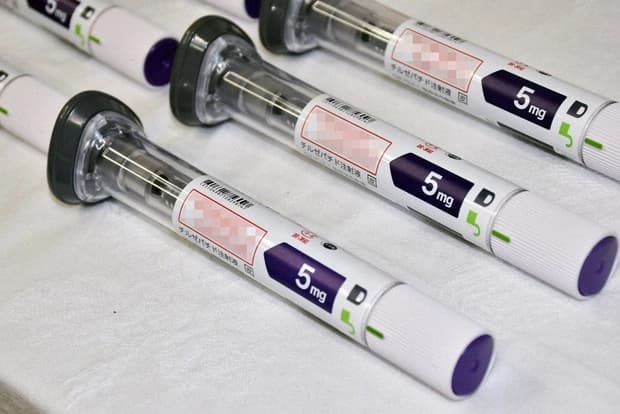
Three Sharjah Individuals Accused Over Illegal Sale of Mounjaro Injections
Court hears case involving unlicensed promotion of prescription diabetes drug and related financial activity.
Sharjah Misdemeanour Court is hearing a case against two individuals accused of endangering public health by selling Mounjaro injections — used for diabetes and weight-loss treatment —without the required licences, alongside a third defendant charged with carrying out financial activities without authorisation.
According to case details, police identified a social media account advertising the sale of Mounjaro injections through online promotions, despite the medicine being restricted to prescription-only use. Authorities subsequently launched an investigation and traced the account, leading to the arrest of two suspects allegedly involved in the illegal sale of medicines.
Further inquiries resulted in the arrest of a third individual accused of conducting money transfer operations connected to the activity without obtaining the necessary legal licence.
During court proceedings, prosecutors charged the first two defendants with practising pharmacy services without a licence and endangering lives by distributing unapproved medications. The third defendant faces charges related to unlicensed financial activity.
All three defendants denied the allegations. The court has adjourned the case and will issue its verdict at a later date.
For any enquiries or information, contact ask@tlr.ae or call us on +971 52 644 3004. Follow The Law Reporters on WhatsApp Channels.
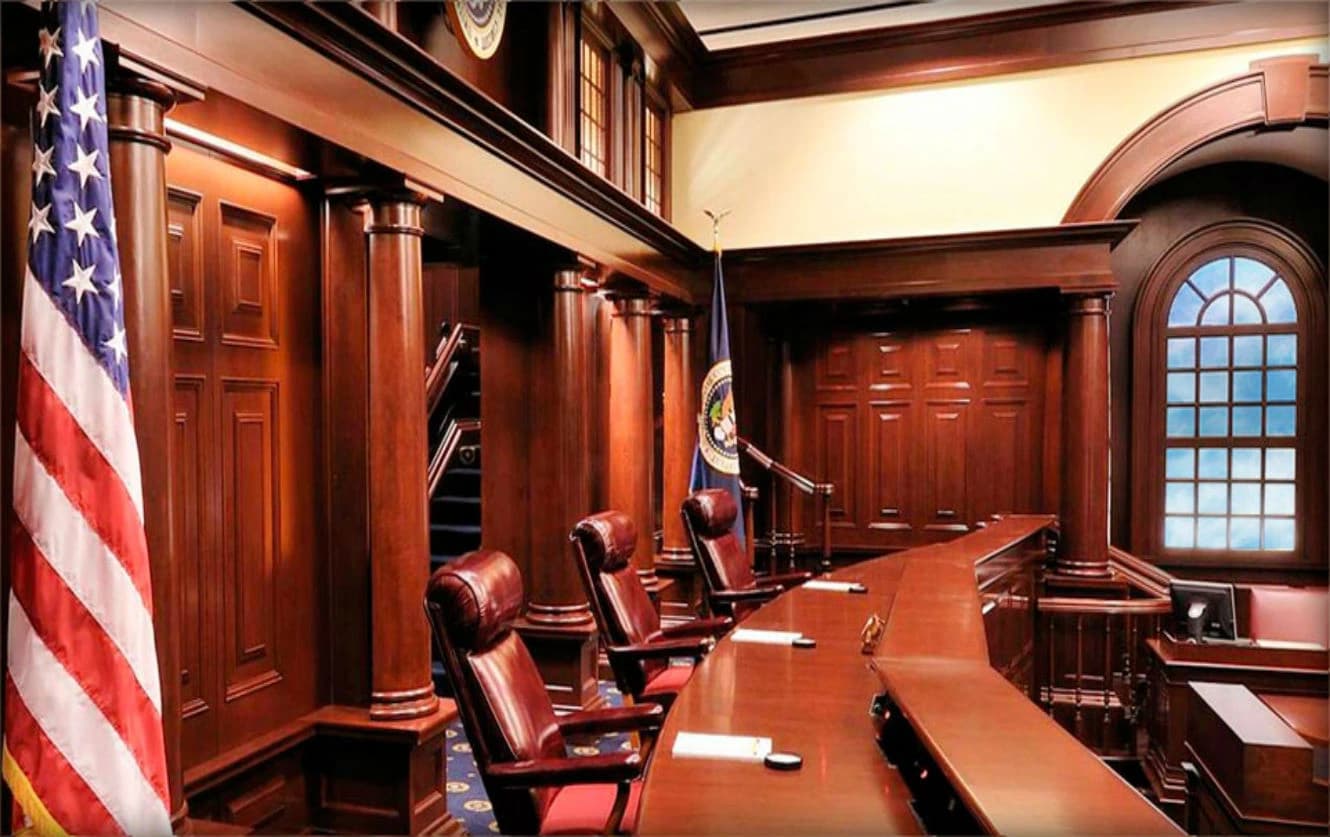
US Senate panel Pushes to Open America’s Federal Courts to Cameras as Transparency Debate Intensifies
Bipartisan bills seek to bring live television coverage to Supreme Court and federal courtrooms despite strong opposition.
A US Senate panel has advanced two bills that would allow television cameras in the Supreme Court of the United States and other federal courtrooms, with senators citing the need to end longstanding broadcast restrictions that have prevented most Americans from watching proceedings in major cases.
The United States Senate Judiciary Committee, in two rare bipartisan voice votes, sent the Sunshine in the Courtroom Act and the Cameras in the Courtroom Act to the full Republican-led chamber for consideration.
The panel backed the bills despite objections from the federal judiciary, which earlier this month sent a letter to the committee chair reaffirming its opposition to allowing cameras in courts, arguing that such a move could negatively affect jury trials and courtroom security.
Republican Senator Chuck Grassley, who chairs the panel and co-sponsored both bills, described them as “common-sense” legislation aimed at promoting transparency in the judicial system by allowing the public to watch significant court proceedings without having to travel in person.
“The public has a right to observe the cases before the highest court, and these Supreme Court decisions have national importance and affect the lives of every American,” Grassley said.
If enacted, the Cameras in the Courtroom Act would require the Supreme Court to permit television coverage of sessions open to the public, such as oral arguments, unless a majority of the justices determine that doing so would violate due process. That would mark a significant shift for the court, which has historically allowed public access only in person and on a first-come, first-served basis. Beginning during the COVID-19 pandemic, the court started making live audio of its arguments available to the public for the first time, though without video.
Under the Sunshine in the Courtroom Act, presiding judges in all federal courts, including the Supreme Court, would gain the discretion to permit photography, electronic recording, broadcasting or televising of proceedings.
Grassley stressed that the bill includes safeguards to protect the identities of witnesses and jurors and bars media coverage of private conversations. The legislation also carries a three-year sunset clause, allowing Congress to review the impact of cameras in courtrooms before deciding whether to renew it.
Democratic Senator Amy Klobuchar, who co-sponsored the bills, noted that for four decades the public has been able to watch congressional proceedings through C-SPAN.
“People should have the right to see what’s going on when senators are debating the important issues of our time,” she said. “The same is true, particularly of the Supreme Court.”
For any enquiries or information, contact ask@tlr.ae or call us on +971 52 644 3004. Follow The Law Reporters on WhatsApp Channels.
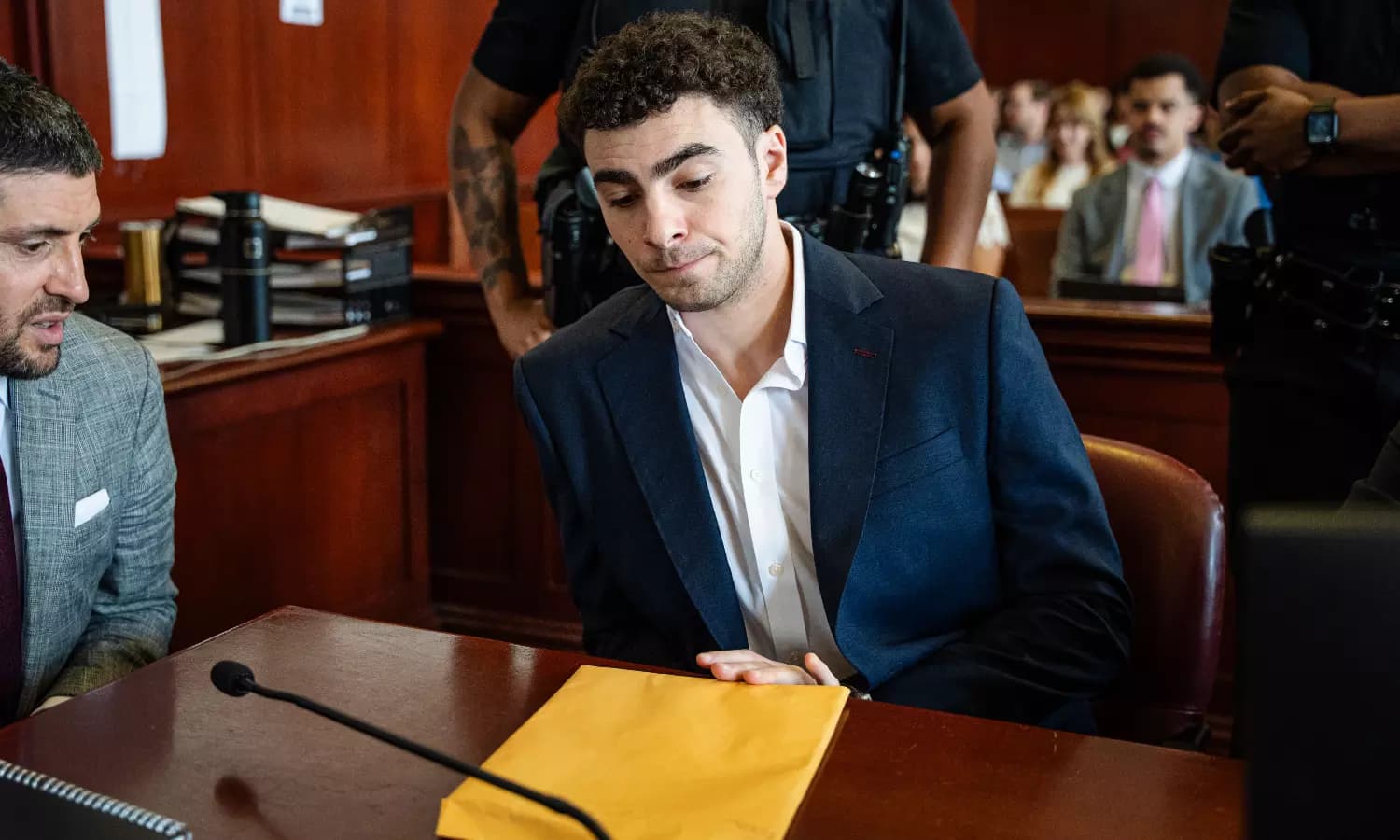
Mangione Drops Mental Health Defence Plans Ahead of CEO’s Murder Trial
The decision comes as Mangione prepares for trial in September on charges over the December 2024 Manhattan shooting.
Luigi Mangione, accused of gunning down a health insurance executive on a Manhattan pavement, has for now withdrawn plans to introduce evidence at trial that he was experiencing an extreme mental health crisis at the time of the alleged killing, according to a court filing on Friday.
Mangione, 28, is accused of fatally shooting UnitedHealthcare chief executive Brian Thompson outside a hotel in Midtown Manhattan in December 2024. The killing was widely condemned by public officials, but it also became symbolic of growing public frustration over rising healthcare costs and insurance industry practices linked to UnitedHealth Group UnitedHealth Group.
He pleaded not guilty in December 2024 to state murder, weapons and forgery charges brought by Manhattan District Attorney Alvin Bragg Alvin Bragg. His trial is scheduled for September before Justice Gregory Carro Gregory Carro in Manhattan.
In a letter to the court on Friday, Mangione’s lawyers said they were “at this time” withdrawing plans to present evidence that he had been undergoing an extreme mental health crisis.
Neither Mangione’s legal team nor Bragg’s office commented on the development.
Under New York law, defendants may argue that their actions were the result of an “extreme emotional disturbance”, which can reduce criminal culpability. The defence can allow a jury to downgrade a murder charge to manslaughter, which does not carry a potential life sentence.
Legal experts have said it may be difficult for Mangione to succeed with such a defence, given allegations that he carefully planned the killing and attempted to evade arrest.
Thompson, who led UnitedHealth Group’s insurance division, was shot dead early in the morning outside the hotel where the company was hosting an investor conference.
Graphic footage of the killing and a five-day manhunt for the suspect drew intense media attention and social media scrutiny. Mangione was eventually arrested in Pennsylvania.
He separately pleaded not guilty in April 2025 to federal murder, weapons and stalking charges brought by Manhattan federal prosecutors.
A judge later dismissed the murder and weapons charges on legal technical grounds in January, removing the possibility of the death penalty. However, Mangione still faces the possibility of life imprisonment without parole if convicted of stalking. Jury selection is scheduled to begin in September, with opening statements expected in November.
For any enquiries or information, contact ask@tlr.ae or call us on +971 52 644 3004. Follow The Law Reporters on WhatsApp Channels.