Therapist Links Childhood Social Media Use to Mental Health in Landmark Trial
California woman’s case against Meta and YouTube examines whether early social media exposure contributed to anxiety and body image issues.
 Staff WriterFeb 26, 2026, 10:51 AM
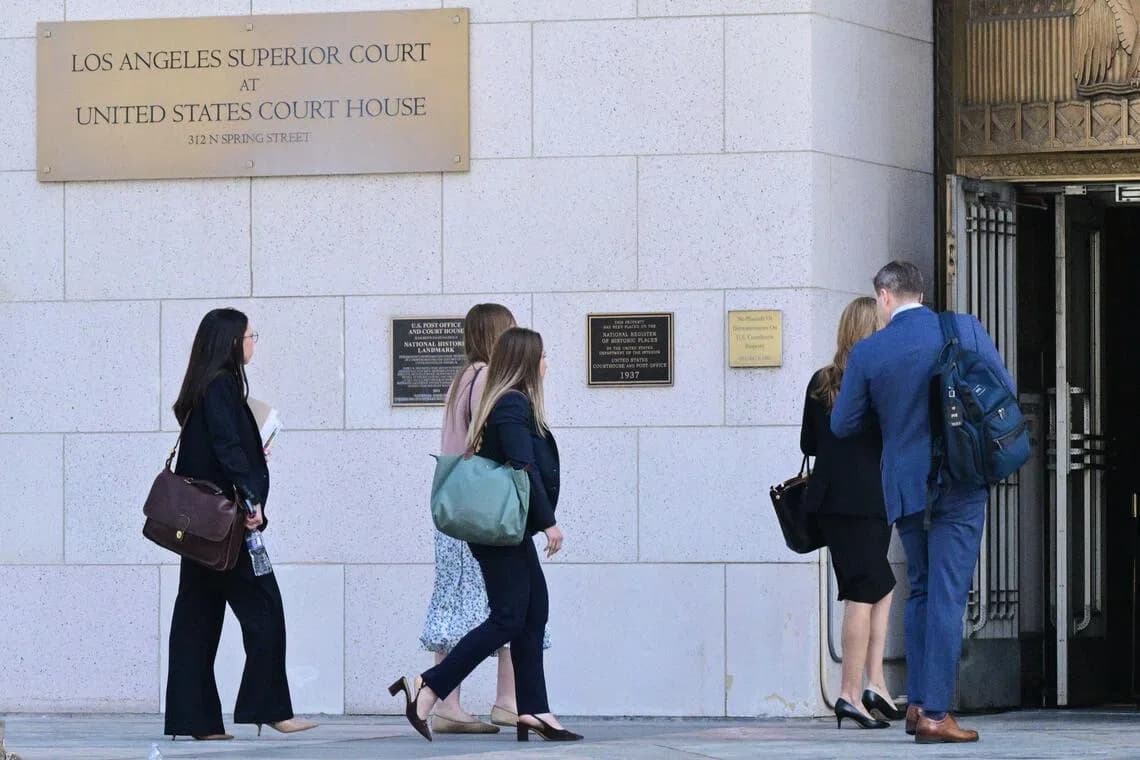
The civil trial of a California woman suing Meta and Alphabet’s YouTube over alleged mental health harms intensified Tuesday as her former psychotherapist testified about the role of social media in the patient’s adolescence. Victoria Burke, a licensed therapist, appeared in Los Angeles County Superior Court to explain how early exposure to Instagram and YouTube may have contributed to anxiety, social phobia, and body image concerns.
Burke treated Kaley G.M., then 13, in 2019 while working as a therapy trainee in a school district. Initially diagnosed with generalized anxiety disorder, Burke later revised Kaley’s diagnosis to social phobia and body dysmorphic disorder. Although she did not conclude that social media directly caused these conditions, she said that Kaley’s online experiences were a “contributing factor” in her mental health struggles. The therapist described instances of online bullying and noted that Kaley sometimes withdrew from social media before returning, reflecting a conflicted relationship with the platforms.
Kaley’s lawsuit claims she began using YouTube at age six and Instagram at age nine. She alleges that features designed to maximise engagement — such as autoplay videos, endless scrolling, “like” buttons, and beauty filters — exacerbated her mental health challenges, including depression and body dysmorphia. Her lawyers argue that these design choices were deliberately engineered to capture young users’ attention despite the known risks to their wellbeing. Meta and YouTube deny the allegations, emphasising minimum age requirements and available tools designed to protect users from bullying and overuse.
The trial has so far focused on what the companies knew about how social media affects young users, and their business strategies related to children and teenagers. Meta CEO Mark Zuckerberg previously testified that the company considered but never launched apps specifically for children. Kaley’s lawyers must now demonstrate that the platforms’ design and operational choices were a substantial factor in worsening her mental health.
Burke also told jurors that the concept of social media addiction is still not widely recognised in the mental health field and is not listed as a formal diagnosis in the latest edition of the Diagnostic and Statistical Manual, highlighting the emerging nature of this issue.
The case, which has attracted global attention, comes amid increasing scrutiny of social media’s impact on young people. Countries such as Australia have already banned children under 16 from using major platforms, while others are considering similar measures. Kaley is expected to testify later in the week, with her mother scheduled to provide additional context on family circumstances, including past abuse and a complex home environment that may have affected her mental health.
As the trial progresses, it will probe whether Big Tech bears legal responsibility for contributing to mental health challenges among minors, marking a potential turning point in the global debate over the societal impact of social media.
For any enquiries or information, contact ask@tlr.ae or call us on +971 52 644 3004. Follow The Law Reporters on WhatsApp Channels.