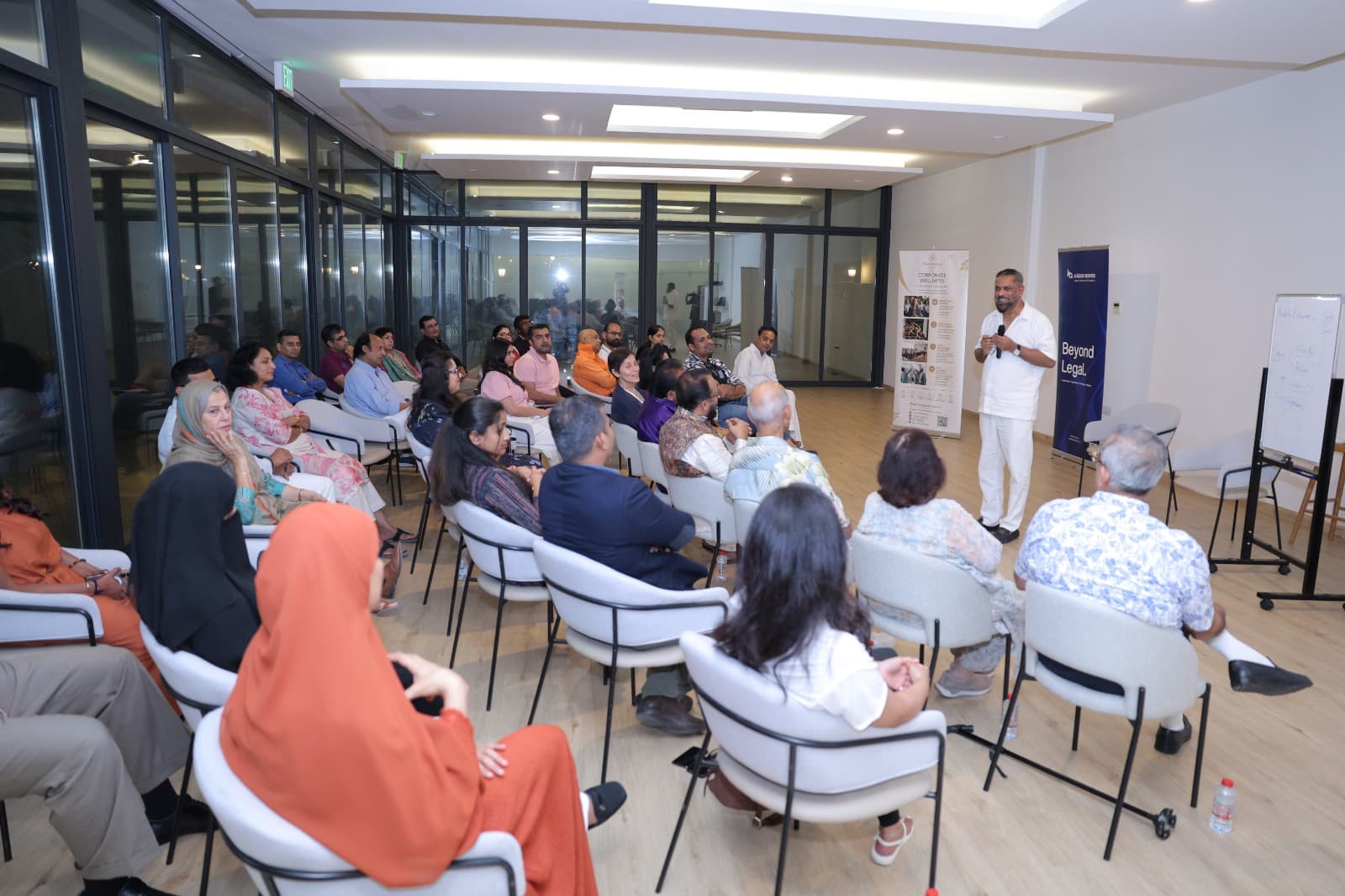

Understanding how the mind processes experiences, questioning the purpose behind decisions and changing patterns of thought can help individuals transform their behaviour and achieve better results, Dr Sunil AR, Chairman of Kaden Boriss, said at the Global Wellness Conference 2026 in Dubai.
Addressing the conference, Dr Sunil emphasised that human behaviour is not fixed at birth but is shaped by learning, experiences and individual perceptions. He said that people could change their responses and outcomes by understanding how the mind works and using the principles of Neuro-Linguistic Programming (NLP).
“We tend to believe we are born with our behaviour and cannot change it. This is exactly wrong. Everyone's thought process is different, so everyone's results are different. Can we change those results? Absolutely, if we know the language of the mind. This is what NLP is all about. And if we know the purpose behind our decisions, we may not take certain decisions at all,” he said.
The Global Wellness Conference 2026 was held on November 21 at Holiday Inn, Business Bay, Dubai. Presented by Sanjeev Krishna Yoga in support of the Dubai Fitness Challenge, the event centred on the theme, “30 Minutes a Day: Old Wisdom, Modern Lives”.
The conference brought together speakers and wellness professionals to discuss practical approaches to physical, mental and emotional well-being, with an emphasis on simple and sustainable habits that can be incorporated into everyday life.
Dr Sunil delivered a session titled “From Breakdown to Breakthrough: A Modern NLP Approach”, examining how the language people use in their internal conversations can influence their emotions, perspectives and responses to challenging situations.
Explaining the principles of NLP, he described it as a means of understanding the relationship between language, thought processes and behaviour. He said individuals did not necessarily perceive events as they happened, but interpreted them through their own experiences and mental frameworks.
According to him, people tend to delete, distort and generalise information they receive, shaping their own versions of reality. This explains why two individuals witnessing the same incident may interpret it differently and respond in contrasting ways.
He highlighted that recognising these patterns could help people reconsider their assumptions and make more constructive decisions. One practical approach, he suggested, was to question the reasons behind a particular decision before considering how to implement it.
Dr Sunil also discussed the concepts of “Chunking Up” and “Chunking Down” as techniques for analysing problems. While the former involves looking at the broader purpose or underlying issue, the latter helps break a challenge into smaller, manageable steps.
He further explained how mental imagery and repeated patterns of thought could influence the subconscious mind and support behavioural change. By consciously introducing new ways of thinking and reinforcing them through repetition, individuals could work towards more lasting changes in their responses and habits.
An interactive three-minute reframing exercise formed part of the session. Participants were encouraged to examine challenges from alternative perspectives and identify practical ways of moving forward rather than remaining focused on setbacks.
The wider conference programme featured sessions covering yoga, Ayurveda, stress management, sleep, corporate wellness, Neuro-Linguistic Programming and sound healing. The discussions offered participants practical techniques aimed at improving their everyday well-being.
Dr Sunil's session underlined the role of mindset, self-awareness and personal development in achieving overall wellness, extending the discussion beyond physical fitness to the ways people think, interpret experiences and make decisions.
For enquiries or further information, contact ask@tlr.ae or call +971 52 644 3004. Follow The Law Reporters on WhatsApp Channels.