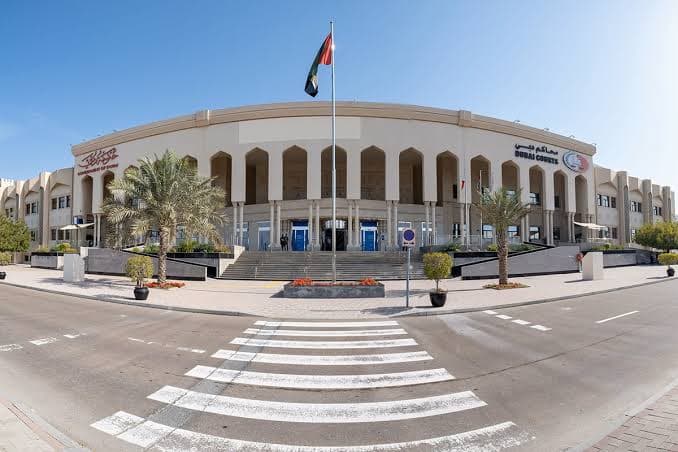

The Dubai Civil Court has dismissed a lawsuit seeking a refund of Dh526,000 for unused nights at a luxury hotel suite in Jumeirah, along with Dh200,000 in compensation for alleged material and moral damages.
The court ordered the claimant to pay the legal costs, court expenses and lawyers’ fees, ruling that an addendum to the original agreement required the value of the unused nights to be retained as credit towards a future hotel stay.
The dispute arose from a long-term accommodation agreement signed in October 2025 for a one-year stay covering a Royal Suite and a Junior Suite at a total cost of Dh2.96 million. The amount was paid in full, together with a deposit covering the long-term stay and incidental expenses.
In March 2026, the guest complained about damage to the walls and ceilings, the presence of insects and continuing painting and renovation work in one of the suites. According to the claimant, these conditions made the accommodation unsuitable and inconsistent with the agreed services and specifications.
The guest also alleged that the hotel had failed to provide an alternative suite of comparable standards during the maintenance period. The dispute eventually led to the guest checking out in March 2026.
To support the claim, the plaintiff submitted photographs showing the alleged damage, along with electronic correspondence relating to restoration work and development activities in certain areas of the property.
However, the course of the dispute changed after the parties signed an addendum to the original agreement in April 2026.
The court found that the addendum provided for early check-out from Suite 803, with Dh526,000, representing the value of the unused nights inclusive of taxes and fees, to be retained as credit towards a future stay in the Royal Suite.
It held that the addendum constituted a binding agreement between the parties. Having agreed to convert the amount into credit for future accommodation, the claimant could not subsequently seek its recovery as a cash refund.
The court also observed that the correspondence concerning restoration work had taken place after the addendum was signed and did not change the legal effect of the amended agreement.
The claim for compensation was also rejected, as the court found that the necessary elements of liability, including fault, actual harm and a causal link between them, had not been established.
It further declined to appoint an expert, concluding that the documents and evidence already submitted were sufficient to determine the dispute and reach a judgment.
For enquiries or further information, contact ask@tlr.ae or call +971 52 644 3004. Follow The Law Reporters on WhatsApp Channels.