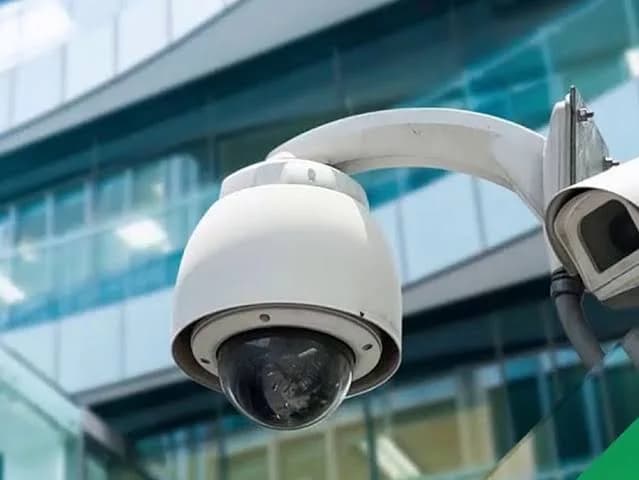

Government bodies and private-sector establishments across Oman will have to install approved surveillance and early-warning systems, draw up security protection plans and comply with new safety standards under legislation introducing penalties of up to RO20,000 for violations.
Royal Decree No 100/2026, issued by His Majesty Sultan Haitham bin Tarik promulgates the Law on the Protection of Facilities and assigns the Royal Oman Police (ROP) responsibility for supervising its implementation and enforcing compliance.
Published in the Official Gazette on November 1, the law will take effect six months after publication. Establishments falling within its scope will be given two years from the commencement date to bring their operations into compliance.
The legislation covers government establishments, public corporate entities and private-sector facilities, including power stations, telecommunications stations and commercial shops. Other facilities may also be brought within its scope through a decision by the Inspector General of Police and Customs, subject to approval from the National Security Council.
Royal establishments and facilities operated by military and security agencies are excluded from the law.
Security Plans and Surveillance Systems
Establishments covered by the legislation must prepare comprehensive security protection plans through licensed security consultancy offices. These plans must receive approval from the competent authority before they are implemented.
The plans are required to set out internal and external security arrangements, emergency response procedures, business continuity measures and the protection systems needed to safeguard each facility.
Mandatory security equipment includes surveillance cameras, intrusion detection systems and early-warning devices. Establishments must ensure that these systems remain operational, are regularly updated and are connected to the systems of the competent authority in accordance with prescribed procedures.
The law also requires facilities to retain recordings generated by their security systems for periods to be determined under the executive regulations. They must provide surveillance footage and other relevant information when requested by the competent authority and display notices informing visitors that the premises are monitored by cameras.
Security consultancy offices will be required to obtain licences before offering facility protection services. Private-sector establishments must also demonstrate that they meet the prescribed security standards when applying for or renewing their operating licences.
Public establishments must assign an administrative division to supervise compliance with the law, while private-sector facilities must appoint a designated person to take responsibility for implementing the security requirements. The competent authority may also direct establishments to conduct security exercises to assess the effectiveness of their protective arrangements.
Penalties for Violations
The legislation sets out criminal penalties for employees who fail to discharge their prescribed security responsibilities. Such violations carry imprisonment ranging from 10 days to three months and fines of RO500 to RO2,000, or either of the two penalties.
More serious offences include deliberately refusing to implement security requirements, concealing information about potential threats, disclosing confidential security documents and abusing official powers. Those found guilty face imprisonment of three months to three years and fines ranging from RO1,000 to RO3,000.
The penalties become considerably more severe when such offences are committed during emergencies, war or natural disasters. In these circumstances, offenders face imprisonment of three to 10 years and fines of RO3,000 to RO10,000.
The law also provides for administrative sanctions, including fines of up to RO20,000. The executive regulations will specify the applicable administrative penalties and the procedures governing their enforcement.
For enquiries or further information, contact ask@tlr.ae or call +971 52 644 3004. Follow The Law Reporters on WhatsApp Channels.