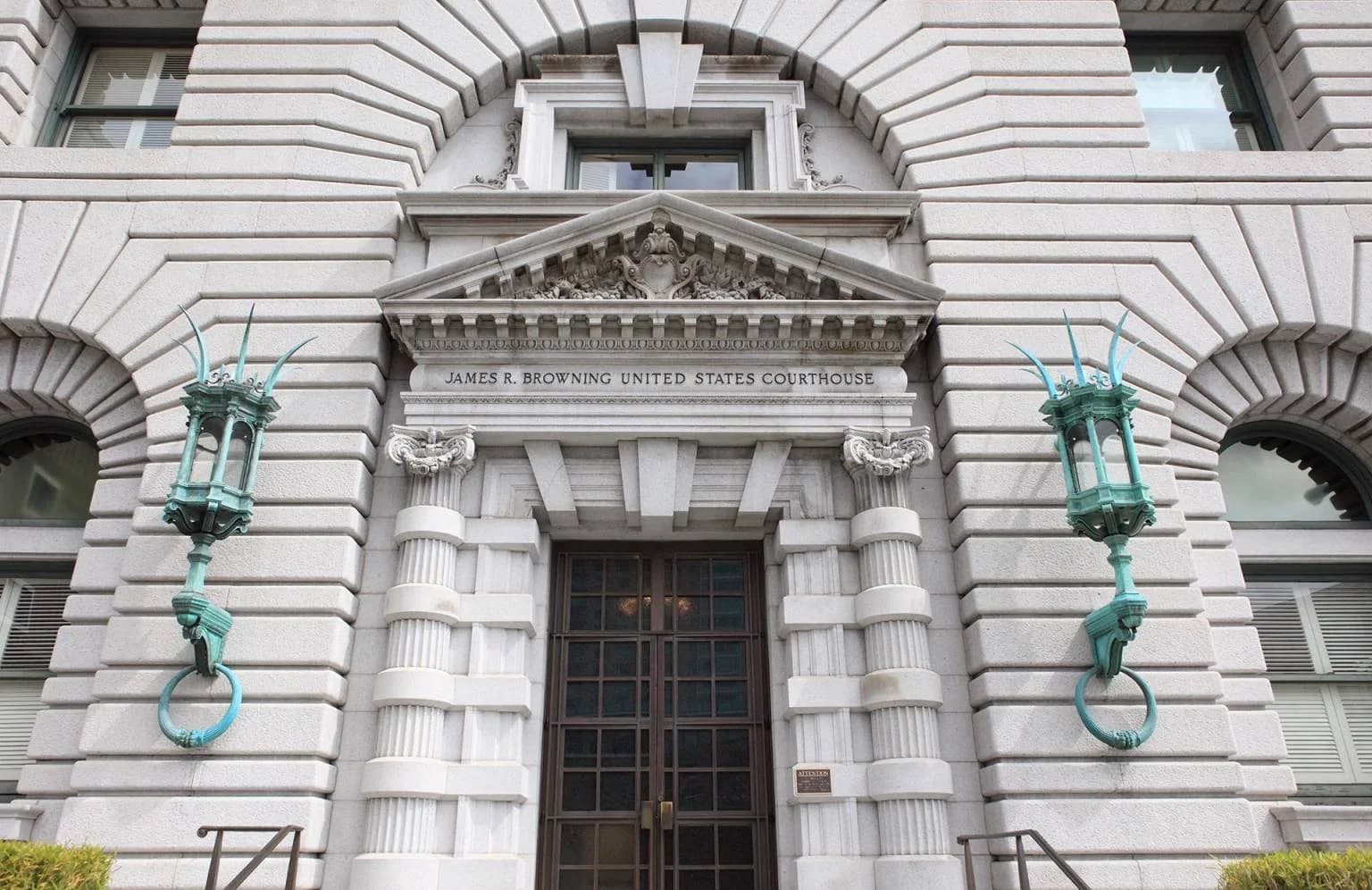
San Francisco’s 9th US Circuit Court of Appeals Blocks Class Actions Over Tesla’s Self-Driving Technology Claims
Ruling prevents Tesla buyers from pursuing joint claims alleging the company misled them about its full self-driving capabilities.
 Staff WriterOct 17, 2026, 9:32 AM
A US appeals court on Friday overturned an order allowing Tesla customers in California to pursue class action claims accusing the electric vehicle maker of misleading them about the capabilities of its Full Self-Driving technology.
In its ruling, a three-judge panel of the San Francisco-based 9th US Circuit Court of Appeals said there were too many individual questions about what buyers had seen before purchasing their vehicles for the claims to proceed as a class action.
The decision is a temporary victory for Tesla, which had asked the appeals court to overturn orders issued by a California judge last year certifying three groups of plaintiffs. The ruling means thousands of California buyers who had been grouped together by the lower court cannot, for now, pursue their claims jointly in a single case.
The appeals court did not rule on the merits of the allegations, and the lawsuit remains pending. The plaintiffs claim Tesla misrepresented the hardware capabilities of its vehicles for Full Self-Driving, persuading customers to pay extra for software they allege does not work as advertised.
In a statement, the plaintiffs’ lawyers said they believed the panel had not fully appreciated the circumstances of the case or the importance of Tesla’s statements about vehicle hardware to its marketing campaign.
Tesla did not immediately respond to a request for comment. The company has denied the allegations.
In the underlying case, US District Judge Rita Lin ruled last year that thousands of prospective buyers were likely to have encountered Tesla’s claim on its website that vehicles sold from October 2016 onwards contained the hardware required for Full Self-Driving capability.
However, the appeals court panel, comprising Circuit Judges Ronald Gould, Jay Bybee and Daniel Bress, said the plaintiffs had failed to demonstrate that all members of the proposed classes had been exposed to the allegedly misleading statement.
The ruling highlights a key obstacle in class action litigation: establishing that claims can be resolved collectively when the circumstances surrounding individual purchases may differ.
The US Chamber of Commerce had filed a court brief supporting Tesla and urging the appeals court to overturn the class certification orders. The business group argued that the lower court’s decision threatened to significantly increase the costs to businesses and consumers of what it described as overbroad and meritless class action proceedings.
For enquiries or further information, contact ask@tlr.ae or call +971 52 644 3004. Follow The Law Reporters on WhatsApp Channels.