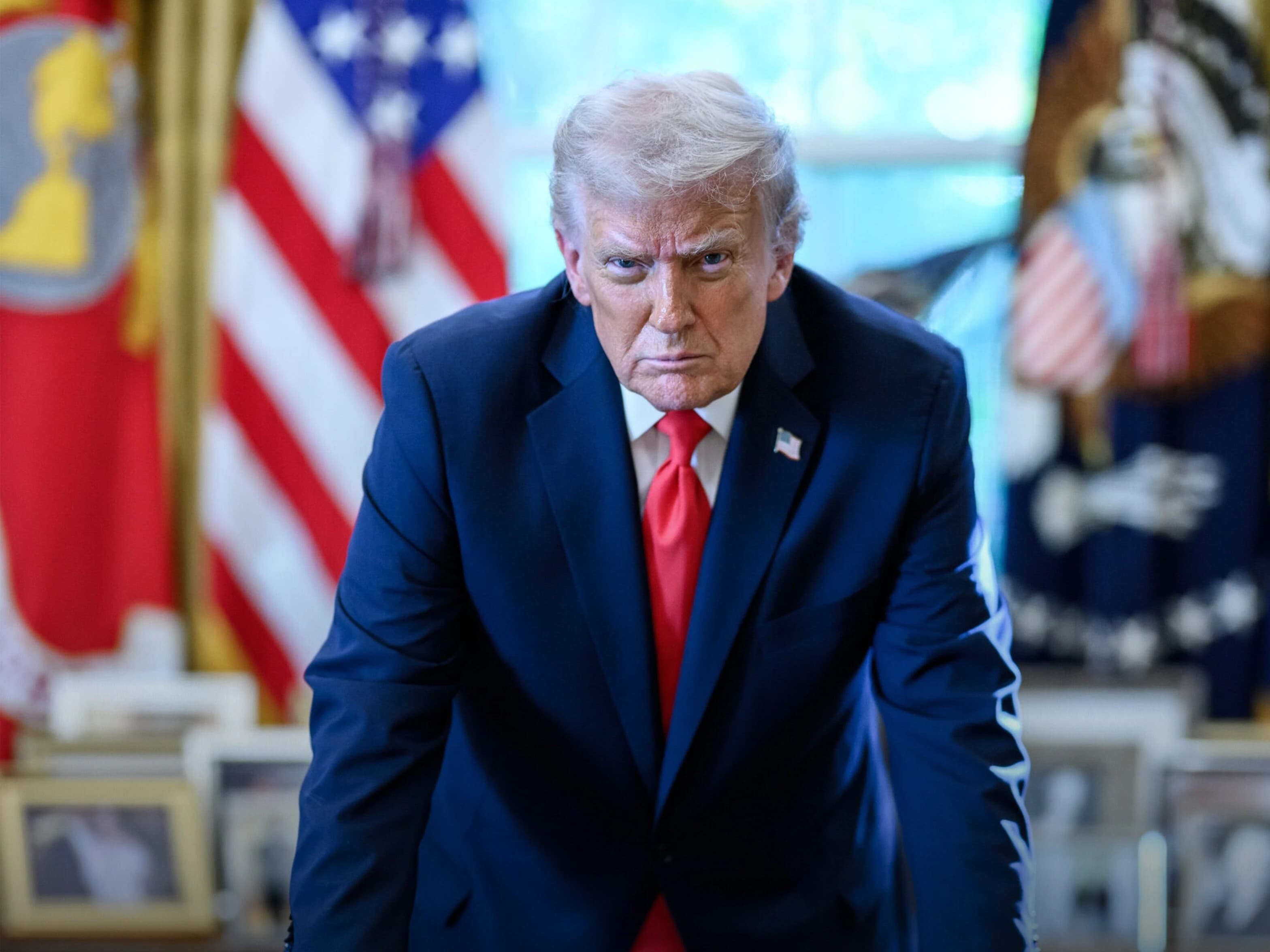

The results of the US mid-term elections on November 3, 2026, could have wide-ranging political ramifications. President Donald Trump has lost Republican control of both Houses of Congress. Democrats have now taken majority control of both the House of Representatives and the Senate, meaning there could be significant changes in the way the administration can push through its legislative, judicial and regulatory agenda during the final two years of Trump's presidency.
However, for the legal system, the most important change will be how the new Senate majority can affect the federal judiciary. The Senate has a constitutional responsibility to confirm federal judges, and a change in its political majority could significantly limit Trump's ability to extend his influence through judicial appointments.
The results could also mean that the administration will face greater scrutiny from Congress. This could lead to numerous legal issues relating to executive privilege, subpoenas, accountability and presidential immunity.
Although there will be some time before the new Congress takes office, Trump will have limited time to secure any remaining judicial appointments. However, the political atmosphere has changed.
Senate Setback for Trump's Judicial Agenda
The most immediate change will be the transfer of control of the Senate, which has responsibility for confirming judges nominated by the President.
Judicial appointments have been a key part of Trump's political legacy. In his first term as President, he secured the appointment of 234 federal judges, including three Supreme Court justices, helping to give the Court its current six-to-three conservative majority. Since returning to the White House in 2025, he has seen 56 judicial appointments confirmed.
According to Reuters, "Democrats are expected to hold a minimum of 54 seats in the 100-member body from January 3. That means the process for confirming Trump's judicial appointments will not be so straightforward as it was under a Republican-led chamber."
This is an important factor, as those appointed to the federal judiciary under Article III of the US Constitution typically serve for life. Their decisions can have a significant impact on how constitutional law is interpreted, the extent of federal regulatory powers, civil rights, immigration, business disputes and relations between state and federal governments.
The Senate Judiciary Committee will have greater powers to scrutinise the suitability, backgrounds and judicial views of Trump's nominees. It can delay hearings, refuse to advance nominations and use its control of the committee's agenda to prevent nominees from progressing.
The new Democratic leadership has already indicated that it wants to change the way judicial appointments are handled. Sheldon Whitehouse, who is expected to become the new chairman of the Senate Judiciary Committee, has criticised the way the previous committee handled the process and called for greater accountability.
Earlier in September, Bloomberg Law reported on the pressure facing Republican senators to secure judicial appointments before the mid-term elections.
Supreme Court Vacancies Could Become an Issue
While the composition of the Supreme Court has not changed, the election result could have significant ramifications.
The Court currently has a six-to-three conservative majority, largely established through Trump's judicial appointments during his first term. However, a major constitutional issue could arise if a vacancy occurs during the final years of his presidency.
Under the US Constitution, the President can nominate justices to the Supreme Court, but the Senate must provide its advice and consent. Therefore, the President cannot appoint a permanent justice without Senate approval. This means the Democratic majority could refuse to advance any nominees.
This has become a politically sensitive issue because the current conservative majority has played a significant role in several important legal matters involving executive power, immigration, elections and constitutional rights.
In June 2026, Reuters reported on the Supreme Court's term, highlighting how its decisions had strengthened certain aspects of presidential power while also placing limits on parts of Trump's agenda. Its rulings on independent agencies, immigration, trade and elections have demonstrated how the Court can influence the legal environment in which a President operates.
However, a Democratic-controlled Senate does not mean that the composition of the Court will change. The existing justices will remain on the bench and cannot be removed because of political disagreements. Any changes would require a vacancy and a successful appointment.
If a vacancy arose, it could lead to an unusual situation. If a conservative justice were to retire or die before January 2029, Trump would retain the constitutional authority to nominate a successor. However, the Senate could refuse to confirm the nominee, potentially leaving the seat vacant for an extended period.
This is one of the reasons why the current Republican Senate leadership has been trying to secure as many remaining confirmations as possible.
Federal Appellate Courts Could Face a Freeze on Confirmations
While the Supreme Court often receives the most attention, the change in Senate control could have a similarly significant impact on the lower federal judiciary.
The US Courts of Appeals play a key role in determining how federal law is interpreted. Their decisions can have a significant impact on immigration enforcement, environmental regulation, employment disputes, corporate liability, constitutional rights and challenges to presidential executive orders.
Trump has sought to appoint judges who share the conservative legal philosophy of his administration. However, a Democratic-controlled Senate could make it considerably more difficult to secure appointments to the appellate courts.
Several appellate nominees were among the administration's priorities for confirmation before the end of the current Congress. According to Reuters, legal experts expect the process to slow significantly.
However, district court appointments may offer greater scope for compromise. The White House and Democratic senators could reach agreements that would allow both sides to secure appointments in certain jurisdictions. Much would depend on political cooperation.
This could lead to a prolonged period of judicial vacancies, placing additional pressure on the courts and delaying the resolution of cases. Trump's opportunity to influence the federal judiciary during his second term will become increasingly dependent on the time available before the new Senate takes office.
Justice Department Under Scrutiny
Another major legal consequence will concern the investigative powers of Congress. With control of both Houses, Democrats will be able to determine committee leadership and hearing schedules, issue subpoenas and investigate the actions of federal departments. The Justice Department is expected to be one of the main areas of scrutiny.
According to Bloomberg Law, "Democratic lawmakers are preparing to use subpoenas and oversight powers to investigate changes to the department's staff, prosecutions and how much influence the President has over federal law enforcement."
They could examine allegations of politically motivated prosecutions, changes in the treatment of career prosecutors, the removal or reassignment of officials and the administration's use of federal investigative powers.
This could lead to legal disputes if government officials refuse to hand over documents or attend congressional hearings. The administration could invoke executive privilege, confidentiality obligations and other legal protections. Congress, in turn, could pursue contempt proceedings or seek judicial enforcement of subpoenas.
This would place federal courts in the position of determining the extent of congressional oversight and the limits of executive confidentiality.
It is important to note that a committee investigation cannot establish criminal activity. A subpoena is not a judicial finding that someone has done something wrong. However, evidence uncovered during an investigation could lead to referrals to law enforcement agencies, civil proceedings or further investigations.
The new Congress could also examine the administration's dealings with private businesses and the financial interests of Trump's family. As previously reported by Reuters, Democratic lawmakers are preparing to investigate the Trump family's lucrative business dealings. This could raise questions involving conflicts of interest, transparency, federal ethics rules and the misuse of public office.
Election Litigation and the Limits of Federal Government Powers
The mid-term campaign has highlighted significant differences over the extent of federal government control over elections.
The Constitution gives states considerable responsibility for administering federal elections, although Congress can regulate certain aspects of the process. The President does not have unlimited authority over how states register voters, issue ballots or certify election results.
Trump's administration has faced numerous legal challenges over attempts to change voting procedures, access state voter data and influence election administration. Several federal courts have intervened in disputes involving postal voting and new requirements introduced by federal agencies.
According to Bloomberg Law, "Democratic Party groups, civil rights lawyers and state officials are preparing legal responses to any attempts by the federal government to interfere with the election process, including seizing voting records, interfering with certification and imposing new federal restrictions."
The Justice Department has also departed from established practices in its involvement in the mid-term elections. According to Reuters, the disputes have included a lawsuit seeking to set aside approximately 20,000 ballots in California and an unsuccessful attempt to prevent election certification in Alaska.
Although the Democratic victories could have implications for these cases, they will still need to be decided by the courts. Judges will have to consider the Constitution and existing election laws. However, the new congressional majority is likely to investigate the administration's actions and could introduce legislation to prevent excessive federal interference in election administration.
This could lead to further litigation over the respective powers of Congress, the President and state election authorities.
Executive Orders and Regulation
Trump will not lose any of his presidential powers. He will retain the authority to issue executive orders, direct federal agencies within the limits of existing laws, conduct foreign policy and exercise his veto. However, a divided government will make it harder to turn executive priorities into permanent changes in legislation.
The Democratic-controlled Congress can refuse to pass bills supporting the administration's policies, challenge budgetary requests and investigate how executive orders are being implemented. It could also introduce legislation to reverse or restrict certain actions taken by the administration. However, overcoming a presidential veto would require a two-thirds majority in both Houses.
As a result, the administration may rely more heavily on executive powers. This could create further legal challenges, as executive orders must remain within constitutional and statutory limits. Federal agencies must also comply with the appropriate legal and administrative procedures. This could mean more disputes involving immigration restrictions, environmental policy, employment regulations, federal spending and emergency powers.
Businesses could also face uncertainty because they rely on consistent regulatory policies. They may have to navigate conflicting legal positions taken by the administration, Congress and federal courts.
Impeachment
The House will also regain control of the impeachment process. The House has the exclusive constitutional power to impeach a President. The Senate then has the authority to conduct the trial and decide whether the President should be convicted and removed from office. A simple majority in the House can approve articles of impeachment, but conviction in the Senate requires a two-thirds majority of senators present.
While Democratic lawmakers may want to investigate the President and examine whether there are grounds for impeachment, having a majority in Congress does not establish that impeachable offences have occurred. There would need to be specific allegations, supporting evidence and consideration of the constitutional requirements.
Even if the House decides to impeach the President, conviction would require a substantial number of Republican senators to support the motion, given the two-thirds threshold. This makes removal from office a difficult constitutional and political process.
However, there could be continuing investigations. The House could conduct hearings, request documents and hold public inquiries. These could bring greater attention to disagreements over the extent of presidential powers and the accountability of the executive branch.
Independent Judiciary But Political Balance Has Changed
Although there could be institutional conflicts, the Democrats will not have control of the courts. Federal judges are constitutionally independent and cannot be directed by Congress or the President on how to decide cases.
Judicial appointments already confirmed by Trump will continue to influence the federal legal system for years to come. He has secured 290 federal judicial appointments across his two terms in office.
The Supreme Court will retain its existing conservative majority unless a vacancy arises. Its justices will continue to decide cases based on their interpretation of the Constitution and federal laws.
The most significant change will be the Senate's increased control over future judicial confirmations. Having both the House and Senate under Democratic control will also mean much greater scrutiny of the executive branch.
This could result in more disputes reaching the federal courts, particularly if the administration challenges congressional investigations or questions the legality of actions taken by lawmakers.
The coming two years will therefore test the effectiveness of the American system of checks and balances, with the judiciary likely to remain at the centre of disputes over the constitutional limits of government authority.
Jeejo Augustine is the Executive Editor of The Law Reporters. He regularly writes on legal developments, regulatory changes and emerging issues affecting businesses, professionals and the wider community, with a particular focus on developments in the UAE and the GCC.