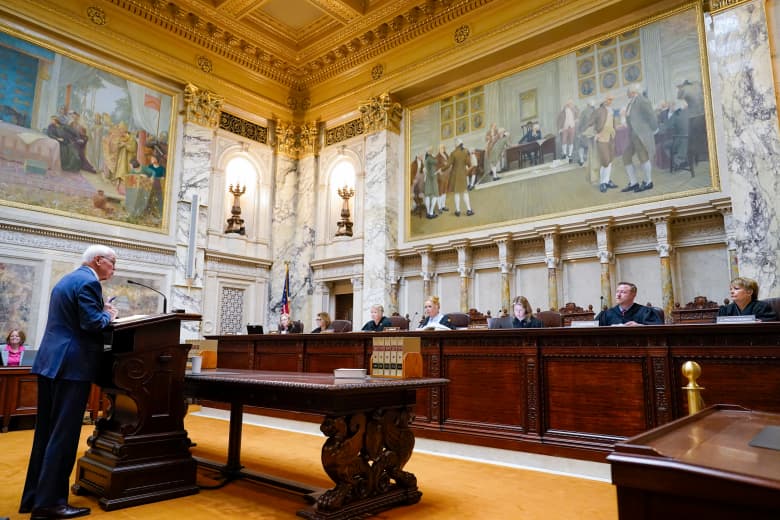
Wisconsin Supreme Court: Google Did Not Breach User’s Fourth Amendment Rights
Unanimous ruling finds tech giant was not acting as a government agent when it flagged child sexual abuse material.
 Staff WriterFeb 25, 2026, 10:30 AM
Google did not violate a Google Photos user’s rights when it reported child sexual abuse material found in his library, which was later used to bring criminal charges against him, the Wisconsin Supreme Court ruled on Tuesday.
In a unanimous decision, the court held that Google’s actions did not infringe Andreas Rauch Sharak’s rights under the Fourth Amendment to the U.S. Constitution by flagging his content.
Rauch Sharak’s attorney and a spokesperson for Google did not immediately respond to requests for comment.
Google, which scans user content for potential child sexual abuse material, flagged four of Rauch Sharak’s files to the National Center for Missing & Exploited Children in 2021. The organisation forwarded the tip to the Wisconsin Department of Justice. A sheriff later discovered the images on Rauch Sharak’s phone after executing a search warrant based on that tip.
The state charged him with 15 counts of possession of child sexual abuse material. Rauch Sharak argued that Google had violated his Fourth Amendment rights by searching his files as a government actor without a warrant.
A lower court in Wisconsin rejected that argument, and the state’s Supreme Court upheld the decision on Tuesday, finding that Google was not subject to the Fourth Amendment’s prohibition on unreasonable government searches and seizures.
“The government became involved only after Google scanned, opened and viewed Rauch Sharak’s files,” the court said. “That lack of government involvement suggests Google was not acting as an instrument or agent of the government.”
For any enquiries or information, contact ask@tlr.ae or call us on +971 52 644 3004. Follow The Law Reporters on WhatsApp Channels.